
Top Features to Look for in Heavy Riot Gear
Heavy Riot Gear Ultimate Defense for Law Enforcement and Security Teams

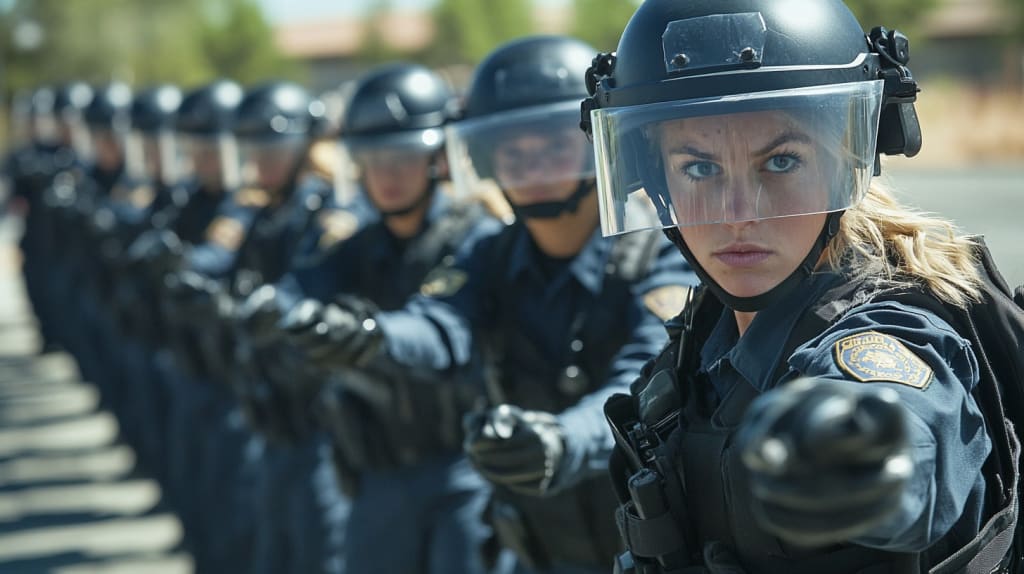
When safety is the top priority, heavy riot gear becomes an essential shield. It helps protect police officers, military personnel, and private security teams during protests, riots, and other high-risk situations. With the right gear, individuals can focus on maintaining order without risking injury. But not all Heavy riot gear is made the same. It must offer protection, comfort, and mobility. Choosing the right set depends on knowing what features matter the most.
Top Features to Look for in Heavy Riot Gear
1. Full Body Protection
Heavy riot gear should cover the entire body. This includes helmets, face shields, chest protectors, arm guards, leg protectors, and gloves. The goal is to shield every part from flying debris, blunt force, or sharp objects. Look for gear that fits together smoothly for full coverage.
2. Impact Resistance
Riot gear must handle direct hits from objects like bottles, stones, and batons. Materials like polycarbonate, high-impact plastics, or Kevlar are commonly used. These materials absorb and deflect impact, keeping the wearer safe even under intense conditions.
3. Fire and Heat Resistance
In high-risk zones, fire can break out suddenly. Heavy riot gear should resist flames and high temperatures. Flame retardant fabrics and coatings prevent burns and keep the body safe in emergencies.
4. Comfort and Fit
Heavy doesn’t mean uncomfortable. Modern riot gear uses padding and adjustable straps to ensure a snug, secure fit. If gear is too loose, it may shift during movement. If it’s too tight, it restricts motion and causes fatigue. Look for designs that balance safety and comfort.
5. Mobility and Flexibility
Officers and guards need to move fast and with ease. Good riot gear uses jointed plates or flexible panels around knees, elbows, and shoulders. This makes it easier to run, crouch, or raise arms while staying protected.
6. Lightweight Materials
Even “heavy” riot gear can be made with lighter materials. Too much weight can slow down a response team. Lightweight composites or layered armor systems reduce strain without giving up strength.
7. Anti-Fog and Scratch-Resistant Visors
Visibility is critical. The helmet visor should resist scratches and stay clear even in rain or smoke. Anti-fog coatings help in keeping the vision sharp during stressful encounters.
8. Breathability and Ventilation
Long hours in heavy gear can cause heat buildup. Gear with breathable mesh or ventilation panels helps prevent overheating. Moisture-wicking liners also keep the body dry and reduce discomfort.
9. Quick-Release Features
In emergencies, it should be easy to remove gear quickly. Look for quick-release buckles or breakaway points. This ensures fast gear removal during medical aid or hazardous events.
10. Compatibility with Other Equipment
Heavy riot gear should work well with radios, weapons, or body cams. Choose gear that allows easy access to belts, holsters, and communication devices. Some modern gear includes attachment points for added tools.
Why Quality Matters in Heavy Riot Gear
Cheap or poorly designed gear puts lives at risk. Investing in high quality riot gear offers peace of mind and better outcomes in the field. It reduces injury risk, boosts confidence, and helps law enforcement stay effective during civil unrest or dangerous events.
Final Thoughts
Heavy riot gear is more than just armor it’s a life-saving shield. When selecting the best gear, focus on protection, comfort, and usability. The right set can mean the difference between harm and safety.
Whether you're equipping a police force, private security team, or correctional officers, understanding these key features will help you choose gear that performs when it matters most.
About the Creator
Keep reading
More stories from World Wide Tactical and writers in Serve and other communities.
Top Quality Riot Armor for Sale Gear Up for Ultimate Protection
In today's world, safety is more important than ever. Whether you’re in law enforcement, private security, or preparing for emergency situations, having the right protective gear matters. One of the most essential types of protection is riot armor. It's designed to defend against physical threats like impacts, projectiles, and more. If you're looking for top-quality riot armor for sale, help you understand what to look for and why it’s a smart investment.
By World Wide Tactical10 months ago in Serve
Is Benjamin Netanyahu Dead?
Introduction In the modern digital age, rumors and misinformation can spread quickly across social media and online platforms. One such rumor that occasionally appears online concerns the supposed death of Benjamin Netanyahu, the long-time political leader of Israel. Many people search the internet asking whether the Israeli prime minister has died. However, it is important to examine reliable information and understand the truth behind such claims.
By shaoor afridi2 days ago in Serve


Comments
There are no comments for this story
Be the first to respond and start the conversation.