
Top 11 Home Remedies for Tooth Decay
san diego cosmetic dentists

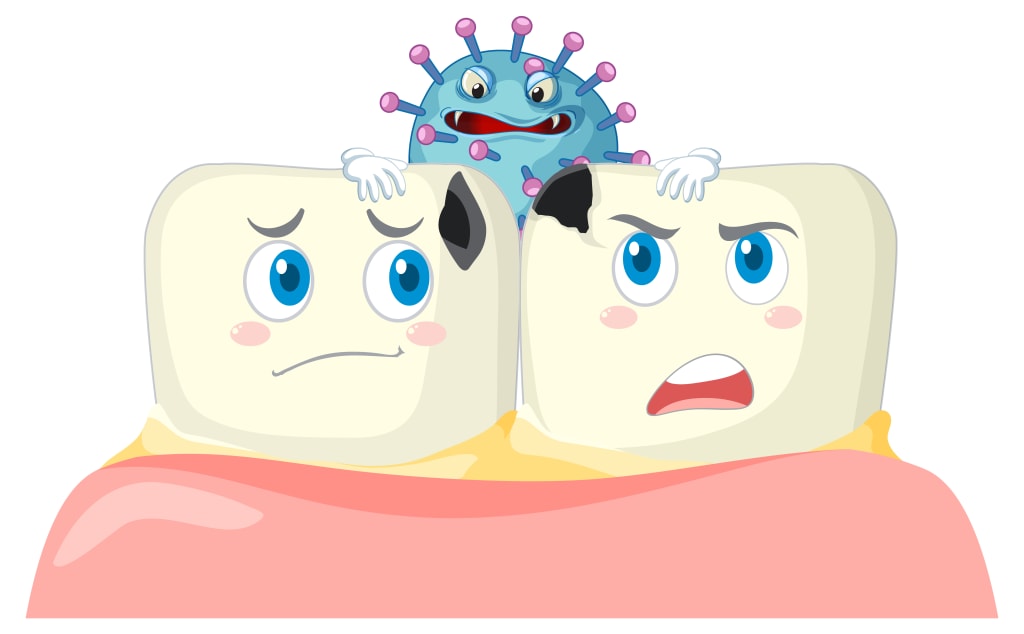
Tooth decay happens when the bacteria in the mouth produce acids that eat the tooth enamel away causing holes or cavities. It is also known as dental caries. A common oral health problem, it can cause pain, infection, and tooth loss if left untreated. Tooth decay can be prevented by regularly following oral hygiene practices such as brushing and flossing, as well as limiting sugary and acidic foods and drinks. Regular dental check-ups and cleanings are also important in preventing and treating it.
What Are The Causes Of Tooth Decay?
- Poor oral hygiene: irregular brushing and flossing teeth can lead to a buildup of plaque, a sticky film of bacteria that can cause tooth decay.
- Consuming sugary foods and drinks: sugar is a significant food source for the bacteria that cause tooth decay.
- Consuming acidic foods and drinks: acidic foods and beverages can erode tooth enamel, making teeth more susceptible to decay.
- Lack of fluoride: fluoride helps to strengthen tooth enamel and make it more decay-resistant.
- Dry mouth: saliva helps to neutralize acids and wash away bacteria, so a lack of saliva can increase the risk of tooth decay.
- Certain medical conditions: certain medical conditions, such as diabetes and eating disorders, can amplify the risk of tooth decay.
- Certain medications: certain medications, especially those that cause dry mouth, can raise the risk of tooth decay.
- Genetics: some people may be more susceptible to tooth decay due to genetic factors.
- Poor nutrition: a diet lacking essential nutrients can weaken tooth enamel, increasing the risk of decay.
- Age: as we age, our teeth may become more vulnerable to decay due to a lifetime of wear and tear.
What Are The Types Of Tooth Decay?
- Pit and fissure decay: This type of decay typically occurs on the biting surfaces of the back teeth (molars and premolars) and is caused by a buildup of plaque in the small grooves and pits on the surface of these teeth.
- Smooth surface decay: This type of decay occurs on the smooth surfaces of the teeth and is usually caused by a buildup of plaque and sugar.
- Root decay: This type of decay occurs on the exposed roots of teeth, usually as a result of gum recession. Its main causes are plaque buildup and bacteria in the root surface.
- Coronal decay: This type of decay occurs on the tooth above the visible gums. Factors that may cause coronal decay include poor oral hygiene, too much sugar intake, and a lack of fluoride.
- Root caries: This type of decay occurs on the root surfaces of teeth that have been exposed due to gum recession. It is caused by bacteria and acid that erode the tooth surface.
- Secondary decay: This type of decay occurs around fillings, crowns, or other dental restorations and is caused by bacteria accumulated in the restoration's margins.
- Nursing bottle decay: Nursing bottle decay occurs in infants and young children who are frequently given sweetened liquids in bottles or sippy cups, particularly when they are put to bed with them.
Can Tooth Decay Be Treated At Home?
Tooth decay can be treated at home to some extent, but it is essential to consult a dentist for a proper diagnosis and treatment plan.
Practicing good oral hygiene habits such as using fluoride toothpaste to brush twice a day, flossing, and using an antiseptic mouthwash can help prevent tooth decay and maintain oral health.
If you already have tooth decay, it's necessary to:
- Limit your sugar intake
- Brush and floss regularly
- Use fluoride toothpaste
- Use a mouthwash
Use dental products that can help remineralize your teeth like fluoride varnish, fluoride gel, or fluoride mouthwash.
However, if the decay is too advanced, it may require more extensive treatment, such as a filling, crown, or root canal, which a dentist should do. Therefore, visit your dentist regularly for checkups, cleanings, and dental treatment at the Center for Dental Health, La Jolla.
What Are The Top 11 Home Remedies For Tooth Decay?
- Oil pulling: Swishing oil (such as coconut or sesame oil) around your mouth for 20 minutes a day can help remove bacteria and plaque from teeth, preventing decay.
- Saltwater rinse: Mixing a teaspoon of salt in about eight fluid ounces of warm water and swishing it around in your mouth with it can help kill bacteria and reduce inflammation.
- Turmeric: Mixing a small amount of turmeric powder with water to create a paste can help fight tooth decay due to its antibacterial properties.
- Garlic: Chewing on a clove of raw garlic can help eliminate bacteria in the mouth, preventing decay.
- Clove oil: Applying a small amount of clove oil to a toothache can help reduce pain and kill bacteria.
- Hydrogen peroxide: Rinsing your mouth with a solution of equal parts hydrogen peroxide and water can help kill bacteria and whiten teeth.
- Baking soda: Mixing baking soda with water to create a paste can help remove plaque and whiten teeth, preventing decay.
- Fruits and vegetables: Eating a diet rich in fruits and vegetables can help promote oral health by strengthening teeth and gums.
- Green tea: Drinking green tea can help prevent tooth decay due to its high antioxidant levels.
- Vitamin D: Getting enough vitamin D through sunlight or supplements can help promote strong teeth and gums, preventing decay.
- Calcium: Incorporating calcium-rich foods (such as dairy products) into your diet can help promote strong teeth and gums.
How to Know It Is Time To Visit A Dentist For Tooth Decay Treatment?
There are several signs that it may be time to visit a dentist for tooth decay:
- Pain or sensitivity: If you experience pain or sensitivity when biting or chewing, or consuming hot or cold foods, it may be a sign of tooth decay.
- Discoloration: If you notice a dark spot or discoloration on your tooth, it may signify decay.
- Swelling or bleeding gums: Swelling or bleeding gums can be a sign of an infection, which may be caused by tooth decay.
- Bad breath: Persistent bad breath or a foul or metallic taste in the mouth can be a sign of an infection that may be caused by tooth decay.
- Visible holes: If you can see visible holes or cavities on your teeth, it is a clear sign of tooth decay.
6. Sensitivity to sweet foods: Teeth ache or feeling uncomfortable when you eat sugary foods indicate tooth decay
Some of the signs of tooth decay may not be visible or painless, so visit a dentist regularly for regular check-ups, even if you don't have any symptoms.
About the Creator
Dentalhealthlajolla
Our facility is state-of-the-art and home to the highest quality of dental care available. Our priority is fixated on the well-being and comfort of our patients.
Keep reading
More stories from Dentalhealthlajolla and writers in Serve and other communities.
Herbs and Spices That Are Good For Your Teeth
Many herbs and spices have been used for centuries in traditional medicine to treat a wide range of ailments, including dental health problems. While consulting a dentist is the best thing you can do to restore and maintain your dental health, using herbs and spices for temporary relief is helpful. Here are a few kitchen ingredients that work as well for your dental health as they do for creating culinary wonders.
By Dentalhealthlajolla3 years ago in Blush
The Impact of World War I: Global Changes and Costs
World War I, often called the Great War, was a conflict that reshaped the political, social, and economic landscape of the 20th century. Beginning in 1914 with the assassination of Archduke Franz Ferdinand of Austria-Hungary, the war quickly escalated due to complex alliances, rising nationalism, and militarism in Europe. Nations including Germany, Austria-Hungary, Britain, France, Russia, and eventually the United States were drawn into a conflict that would last four brutal years and leave an indelible mark on the world.
By shaoor afridi4 days ago in Serve
Rising Tensions: The Current State of Iran-U.S. Relations and Global Implications
Relations between Iran and the United States have been tense for decades, shaped by political rivalry, military confrontations, and deep ideological differences. In 2026, these tensions have escalated again, drawing global attention and raising concerns about regional stability and international security. The situation involves military actions, economic sanctions, and disputes over nuclear development, all of which could have major consequences for the world.
By shaoor afridia day ago in Serve




Comments
There are no comments for this story
Be the first to respond and start the conversation.