
The Power of Extreme Ownership
A Leadership Lesson from the Battlefield

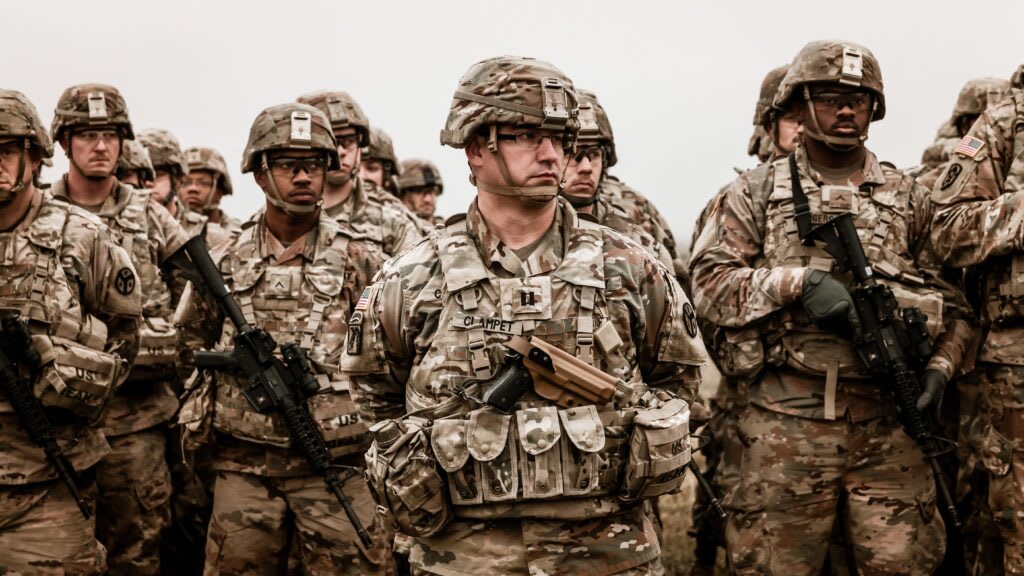
In life, business, and even personal relationships, we are often faced with challenges that require us to make tough decisions. How we handle these challenges not only defines our character but also determines the outcomes we achieve. One of the most powerful principles that can shape a successful life is the concept of extreme ownership—taking full responsibility for everything that happens in your life, both the good and the bad.
This lesson comes from an unexpected place: war. War, while brutal and tragic, is also a stark teacher. It forces people into extreme situations where the stakes are life and death. In such conditions, accountability becomes crucial. This is the lesson that Navy SEAL Jocko Willink learned firsthand during a mission in Iraq in 2006. What he experienced is a perfect example of how taking ownership can lead to greater trust, respect, and success.
A Battlefield Mistake
Imagine being in charge of a high-stakes military operation in the heart of a dangerous city. The adrenaline is pumping, soldiers are on high alert, and every decision could be a matter of life or death. Now, imagine the worst-case scenario: a tragic incident occurs in the fog of war where your own team mistakenly shoots and wounds its own soldiers, leading to casualties among friendly forces. This is what happened during Willink's mission in Ramadi, Iraq—a place infamous for its insurgent activity and violence.
The consequences were devastating. Several soldiers were injured, and an Iraqi soldier lost his life. In the aftermath, the immediate response was clear: someone had to be held accountable. In the military, as in life, accountability is a must. However, the true test of leadership came when Willink, the commander, was faced with the responsibility for what had happened.
The Moment of Truth - Taking Ownership
In the debriefing that followed the incident, Willink’s subordinates, in an effort to relieve the pressure, pointed fingers at one another. Each one thought that a specific action or mistake had led to the tragedy. One SEAL claimed he didn’t maintain control of the Iraqi soldiers, another blamed a communication failure, and others took responsibility for different aspects of the mistake.
But the question that was posed in that room—"Who's fault was this?"—wasn’t just about finding someone to blame. It was about true leadership, the kind that isn’t afraid to admit fault when things go wrong. Willink stood up and, despite being in charge of the operation, rejected all the blame his team members had offered. He didn’t find fault with anyone else. He took the full responsibility for the tragedy. He realized that, as the commander, the ultimate responsibility lay with him.
Why Extreme Ownership Matters
So, what makes this moment so powerful? Willink’s decision to take ownership of the entire operation—regardless of the mistakes made by his team—showed a level of leadership that is rare in any field. By stepping forward and saying, “I am responsible,” he not only maintained his integrity but also gained the respect and trust of his men. Instead of shying away from accountability, he took it head-on.
This principle of extreme ownership applies far beyond the battlefield. In business, when things go wrong, it's easy to blame external factors, team members, or even luck. But the most effective leaders are those who take responsibility for their teams' failures. They understand that true leadership is about owning the outcome, regardless of the circumstances.
The Ego Check - Leadership and Humility
The most difficult part of extreme ownership is the ego. Our egos want to protect us from being wrong. We want to shield ourselves from blame and preserve our pride. But Willink knew that to be an effective leader, his ego had to be put aside. Taking ownership of mistakes requires humility and self-awareness—qualities that make a true leader stand out.
By admitting his own fault, Willink did not lose respect from his men; on the contrary, they saw him as someone who would never throw them under the bus, even when mistakes were made. In the end, his willingness to lead with integrity built stronger relationships, boosted morale, and ultimately led to more effective teamwork.
Extreme Ownership in Action - The Benefits
When a leader practices extreme ownership, the whole team benefits. Willink’s decision to take full responsibility for the operation’s failure allowed his men to see the importance of owning their own actions as well. The team began to take ownership of their mistakes, which led to better outcomes in future missions.
The same principle holds true in business. When leaders take responsibility for their team's failures, they create an environment where everyone feels empowered to improve, take risks, and learn from mistakes without fear of being blamed. A culture of ownership fosters accountability and a shared commitment to success.
In life, adopting extreme ownership can change the way we approach problems. Instead of shifting blame onto others or external circumstances, we can ask ourselves, “What can I do differently? How can I take ownership of this situation and make it better?” By doing so, we stop looking for excuses and start focusing on solutions. This mindset is not only empowering but transformative.
Final Thoughts
The concept of extreme ownership is simple but powerful. It’s about acknowledging that everything that happens under your leadership—good or bad—is your responsibility. By adopting this mindset, you build trust, respect, and accountability within your team. You stop blaming others, control your ego, and focus on finding solutions.
Whether you are leading a team, managing a project, or simply navigating life’s challenges, remember the lesson of extreme ownership. Lead with integrity, take responsibility for both your successes and your failures, and guide those around you to do the same. When you do, you’ll not only earn the respect of others, but you’ll also lead your team—and yourself—to victory.
So, take ownership. Take extreme ownership. Lead.
About the Creator
Horace Wasland
Research analyst, writer & mystical healer. Exploring the edge where science meets mystery. From mystery/the mystical, to facts, news & psychology. Follow for weekly insights on all four and please leave a tip if you like what you read :)
Keep reading
More stories from Horace Wasland and writers in Serve and other communities.
Ukraine’s Invasion of Russia
For the past two years, Vladimir Putin has brandished the threat of nuclear weapons, attempting to project strength and intimidate both Ukraine and the international community. However, recent events in Kursk have exposed a critical and unexpected vulnerability in Russia's military capabilities and Putin's leadership.
By Horace Waslandabout a year ago in Serve
Escalation of the Iran-Israel Conflict: Regional and Global Implications
The conflict between Iran and Israel has entered a dangerous new phase, raising fears of a wider war across the Middle East. Military strikes, retaliatory attacks, and the involvement of international actors have turned the situation into one of the most serious geopolitical crises in recent years. Beyond the battlefield, the conflict is affecting global security, energy markets, and international diplomacy.
By shaoor afridi6 days ago in Serve
Behind the Kosher Seal: Understanding Kosher Requirements and the Koshering Process
Walk through any modern supermarket and you’ll notice a small symbol on many food packages indicating kosher certification. For some consumers, it represents adherence to Jewish dietary laws. For others, it signals high standards of quality, transparency, and trust. But what actually lies behind that small seal?
By klbdkosher6 days ago in Serve


Comments
There are no comments for this story
Be the first to respond and start the conversation.