
Searching for the Best TMT Bars in India for House construction? Here are Some Do's and Don'ts You Must Know
Looking to build a strong, safe home? Discover key do’s and don’ts when choosing TMT bars from the best manufacturers in India to ensure durability and safety.
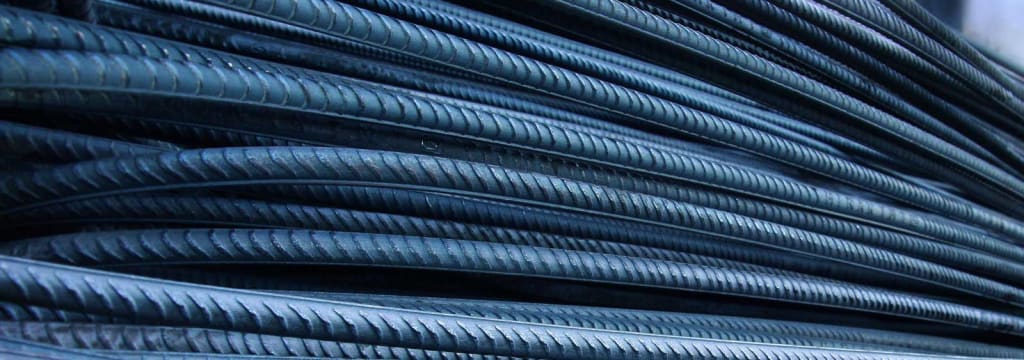
Imagine building a house and realizing—just five years in—that the very bones of it are rusting, bending, or worse, cracking. That is not just inconvenient; that is dangerous. TMT bars are the invisible backbone of any home. And while they may look the same to the naked eye, they’re anything but.
Choosing the wrong kind doesn’t just cost money; it costs peace of mind.
In a country like India, where climate varies and seismic activity is real, you need steel that won’t flinch. But not all TMT bars meet that mark. You need to be picky, and you should be. Let’s talk about what to do—and what not to do—when choosing TMT bars for your foundation from the best TMT bar manufacturers in India.
Why TMT Bars Matter More Than You Think?
Steel bars aren’t just fillers. They decide how long your home will last. They decide whether your walls stay straight during a flood or an earthquake. Moreover, they also determine if you’ll ever need to worry about repairs that should never happen.
Thermo-Mechanically Treated (TMT) bars, developed by the best TMT bar manufacturers in India, give you tensile strength and flexibility. That means they can bend with stress without snapping. That’s how buildings survive tremors. It’s also how they resist corrosion in coastal regions and retain structural integrity in high-rise construction.
This is one area where compromise is not an option. Pick the wrong bars, and you're gambling with safety.
Do: Choose Bars With Consistent Chemical Composition
The inside of a TMT bar matters just as much as the outside. Consistency in the carbon, sulfur, and phosphorus content gives the bar its toughness. If any of these are out of balance, you’ll get a brittle bar that breaks under stress.
You want bars that meet specific chemical standards. Low carbon content ensures weldability. Low sulfur and phosphorus levels reduce brittleness. Good bars strike this balance naturally, and they do it in every batch.
It is important that you look for lab-tested certificates. Ask for chemical test reports, and don't accept a "trust me" from the seller.
Don't: Fall for the "Heavy Equals Better" Myth
A heavier bar is not always a better bar. That belief is outdated and flat-out wrong. In fact, extra weight may mean lower ductility. It could also mean lower yield strength if the composition is off.
Good TMT bars follow dimensional tolerance standards. They are strong without being bulky. They offer flexibility without sacrificing durability.
Always measure strength by the bar’s yield and tensile properties—not by what the weighing scale says.
Do: Check for Earthquake Resistance Ratings by the Best TMT Bar Manufacturers in India
India has several seismic zones. If your house is in Zone 3 or above, your TMT bar must be ductile. That means it should bend but not break when an earthquake hits.
Look for Fe-550D or Fe-500D grades. The “D” stands for ductile. These grades are made specifically to absorb shock. They stretch without snapping, and that saves your home during natural calamities.
Always verify this rating on the product or packaging. It’s not just a letter—it’s protection.
Don't: Skip the Bend and Re-bend Analysis Test
This test sounds simple, and it is. But it tells you everything you need to know about the bar’s core strength.
In this test, a bar is bent 135 degrees and then re-bent 157.5 degrees. If it cracks, that’s a red flag. A good bar passes this test without visible damage.
This test is done during manufacturing and also in third-party labs. Ask for the results. If they can’t provide them, walk away.
Do: Buy From Certified and Tested Sources
This is not where you bargain shop. You need assurance that the bars you buy are produced in a plant that follows BIS standards. Look for ISO certification. Check for NABL-accredited test reports.
This is where the best TMT bar manufacturers in India stand out. They don’t just say their bars are strong. They prove it with data. They label their bars clearly and provide certification without hesitation.
Reputation matters. That is why you should only buy from sources that show their compliance upfront.
Don't: Choose Bars Without Corrosion Resistance
Humidity and rain don’t care about your walls. They seep inside, attack, and start from the steel.
If your TMT bars are not corrosion-resistant, they’ll rust over time. This leads to flaking, expansion, and concrete cracking. In coastal areas, this happens fast.
You need bars with anti-corrosion properties baked in. That could be through advanced technology or protective coatings. Either way, this is not optional, especially if you’re anywhere near the coast or in a place with high rainfall.
Do: Compare Yield Strength With UTS
UTS stands for Ultimate Tensile Strength. Yield strength is when the bar starts to bend. UTS is when it finally breaks.
A good TMT bar will have a high yield strength and a high UTS. The ratio between the two matters. It shows how much stretch the bar can handle before giving up.
This ratio helps engineers calculate safety margins. It helps your structure stand up to real-world pressure—not just lab tests.
Check the test results and understand the numbers. You can also consult someone who will explain it to you.
Don't: Ignore the Rib Pattern
Ribs aren’t for show. They help the bar grip the concrete around it. Poor rib patterns mean weak bonding. That means slippage and cracks in the structure.
Modern manufacturing uses CNC machines to make uniform ribs. These patterns matter more than people realize. Ask for microphotography of the rib structure. Or better yet, visit the stockyard and check for yourself.
A bar with smooth or inconsistent ribs will fail under load. That’s not something you want inside your walls.
How do the Best TMT Bar Manufacturers in India Meet All These Standards?
The best TMT bar manufacturers in India don’t cut corners. They use German technology for quenching. They automate the process to avoid human error. They monitor every stage—from the billet to the finished bar.
They test their bars for yield strength, elongation, bendability, and corrosion resistance. And they make those reports available to the customer.
You’ll see terms like Fe-500D or Fe-550D stamped on their bars. You’ll see BIS markings and QR codes linking to test data. That’s how you know you’re buying the right thing.
They don’t just meet expectations. They build trust. And that trust shows up in every home that stands tall for decades.
Quickfire Do’s and Don’ts for TMT Bar Buyers
Do check for BIS certification
Don’t judge bars by weight alone
Do ask for chemical composition reports
Don’t ignore ductility ratings
Do verify rib patterns
Don’t buy untested or unpackaged bars
Do ask for bend and re-bend test results
Don’t fall for vague sales pitches
Do buy from trusted suppliers
Don’t compromise on corrosion resistance
Good TMT Bars Make Good Homes
A home is only as strong as what’s hidden inside its walls. TMT bars don’t get the spotlight, but they hold up everything that does.
Making the right choice when considering the best TMT bar manufacturers in India isn’t about spending more. It’s about knowing what you’re paying for.
Choose bars that are strong, tested, and trusted. That’s how you build a house that won’t just stand—it’ll last.
About the Creator
Escalation of the Iran-Israel Conflict: Regional and Global Implications
The conflict between Iran and Israel has entered a dangerous new phase, raising fears of a wider war across the Middle East. Military strikes, retaliatory attacks, and the involvement of international actors have turned the situation into one of the most serious geopolitical crises in recent years. Beyond the battlefield, the conflict is affecting global security, energy markets, and international diplomacy.
By shaoor afridi7 days ago in Serve
Behind the Kosher Seal: Understanding Kosher Requirements and the Koshering Process
Walk through any modern supermarket and you’ll notice a small symbol on many food packages indicating kosher certification. For some consumers, it represents adherence to Jewish dietary laws. For others, it signals high standards of quality, transparency, and trust. But what actually lies behind that small seal?
By klbdkosher7 days ago in Serve
Top tipple tricks
Been thinking a lot about drinking, lately. Not least because of a recent episode of over-indulgence and the inevitable after effects. Some readers may recall the earlier articles I wrote about beating the booze. Here I set out an experiment in techniques for cutting down on my alcohol intake. The experiment was successful, the techniques worked, and I have armed myself with an arsenal of weapons in the war against the demon drink. I have yet to fire the first round however. It's all a question of timing (perhaps procrastination).
By Raymond G. Taylor7 days ago in Psyche




Comments
There are no comments for this story
Be the first to respond and start the conversation.