
Prep to Plate: The Realities of a Day in the Life of a Chef
From Sunrise Prep to Midnight Clean-Up: Unveiling the Grit, Passion, and Precision Behind Every Dish
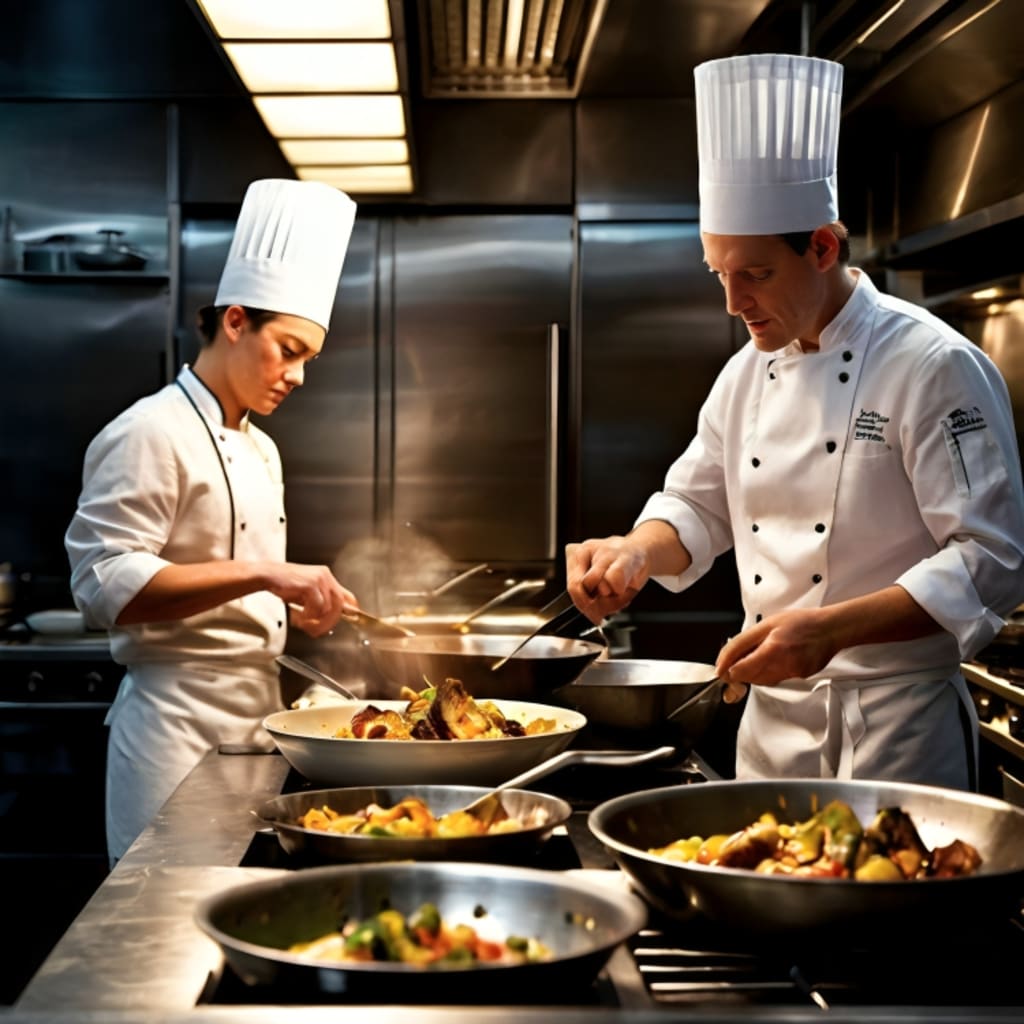
Prep to Plate: The Realities of a Day in the Life of a Chef
The life of a chef is not just a career, but a commitment to be excellent in the world of food-a journey which treads on passion, precision, and hard work. Whether at a small bistro or a five-star restaurant, the life of a chef-from an outsider's perspective-appears so glamorous, fast-paced, creative, and full of exciting challenges. Unfortunately, this is far from the most common imagination behind the kitchen doors. It is a job that is demanding, grueling, full of stress, exhaustion, and times of triumph. Here's a candid look at what the average day in the life of a chef really consists of.
The Early Morning: The Calm Before the Rush
A chef usually has to rise fairly early. Perhaps he is doing a big breakfast at a hotel or the lunch service at a good restaurant. By 5 or 6 a.m., he will have risen up from whatever he slept on and begun preparing the kitchen for the rest of the day.
First and foremost, any incoming chef observes the fresh deliveries that have arrived overnight. This would range from fruits and vegetables down to proteins. Each ingredient is looked over by the chef for quality. It takes an experienced eye along with a deep understanding to realize what really makes food great. The moment deliveries are inspected, then comes the task of organizing the kitchen. Things have to be set: utensils and ingredients, so that everything is prepared; otherwise, it would delay things later in the day.
Once all is well, it's time to get ready for service. Chop, dice, marinate, and have all items in their place so they may be accessed with ease. In some kitchens this is known as mise en place-French for "everything in its place." It is the backbone of a good service, promising each dish to be just so.
Pre-Service: Taming the Chaos
When service approaches, the once quiet and orderly kitchen now becomes a hive of activity: some cooks plate prep, others work on sauces or stocks, and even others are working on garnish to make sure all that needs to get done that day gets finished. In most instances, this would also allow the head chef or executive chef to work with the sous chefs in managing the operation so that the kitchen is working at full efficiency and the standard of food is maintained.
The calm before the storm, maybe-but taut all the same. Everything is giant-the stakes, at least. Everything has to be just thus. A misstep now sends ripples through the whole shift and one ingredient not prepped right can delay an entire dish, which throws off timing for the entire service.
Pre-service, when the opening time draws near, there is a quick get-together of the staff members. The executive chef meets with the menu and special instructions for the day, informing each one of their own responsibility and placement during service. The sous chefs also distribute the responsibilities among the line cooks just to let the team know who's responsible for what in the menu. Everything needs to be in sync.
The Service: A Fast-Paced Frenzy
That is, until the doors open and the orders start rolling in. It is here that things really get cranked up a notch: orders yelled out by servers mingle with the hissing of hot pans and the sizzling of meat on the grill. The kitchen is chaotic yet full of an intense sense of purpose. Each team member knows just what his or her responsibilities are, and together they work like a well-oiled machine.
Of all the basic, key skills for a chef, perhaps most essential is the art of multitasking-which involves proper time management. While one chef is searing the fish, another will be plating salads or placing appetizers. Each dish is prepared with an idea to reach the customer's table at its freshest, most flavorful peak. The head chef times it just so, coordinating with the front-of-house team, checking back with servers, and troubleshooting the problems that inevitably crop up.
It's a high-pressure setup; there will be mistakes. The great chef bounces back quick. Sometimes, the service might go on for some hours or more, and the heat and the noise become overwhelming. Line cooks in the kitchen scramble to finish orders; the head chef tastes each one of the dishes before it leaves the kitchen, and everybody must be prepared for changes within seconds. This is a high-pressure environment; absolutely no room for errors whatsoever.
Physical and Mental Issues:
This job is physically draining on a chef. Long hours standing in the hot kitchen eventually tell on the body. The heat from stoves and ovens, continuous activities requires attention to such detail that drives a chef so hungry. By the time it reaches the end of service, muscles ache, feet hurt and the body needs rest.
It is not just the physical aspects, though, that make chefs so tired; it's mental as well. A lot of decision-making is involved-running a team, making sure every single dish gets out perfectly. They have to be calm and cool in pressure, paying attention to details as they work their way to the big picture. It is a balancing act that may take years to perfect.
Apart from the long hours, dinner service may not end till midnight and often long after the last customer has closed the buildings. For fine dining chefs, their day is often divided into two shifts: lunch and dinner. The result is a very long day from early morning till late in the night, little time for personal life.
After-Service: Cleaning Up and Reflecting
When the last plate goes out and the kitchen finally dies down, it's time for a little afterservice routine. Staff scrub down the kitchen, putting away leftovers and getting ready for the next day. Typically, chefs would stay late cleaning equipment, restocking, and making sure everything's in its place and ready for the next service. All this is exhausting but a must if the working conditions are to be kept clean and efficient.
Once all the cleaning is done, there is always a point whereby one reflects on the service. The head chef may take time with his team to give a debrief of what went well and what didn't. A good chef will always look at ways to make the process better than the previous day.
The Personal Cost: Sacrifices and Rewards
Apart from the long hours and pressure, passion is also a part of being a chef. Above all the exhaustion, the pride in it being a fact that one could make that dish for excitement and delight. The kitchen is home for most people. That will all pay off in the end: the bond that will have been built amongst members of the team, all kinds of creativity flowing through new dishes, knowing the food is really changing people's lives.
But it doesn't come easily. The chef schedule is excruciating and does not let a breath of air: long hours, weekends, holidays - all these are usually in the run. Personal life often fades to the background from the job; there is little time for anything other than family and friends who have been around since right at the very beginning.
Conclusion: The Heart of the Kitchen
To be a chef means being among highs and lows, challenges, and triumphs. Behind closed kitchen doors, he too battles his time with ingredients and expectations. The work is as physically draining as it is mentally. For any one who really loves to cook though, it is life worth living. From early morning preparations till nighttime cleaning, a chef invests his heart and soul into the craft, sometimes trying to get just that particular dish right. This is a merciless, relentless career, but for the foodie, it's much more than just a job; it's a way of life.
About the Creator
Keep reading
More stories from Pritom Mazumder and writers in Serve and other communities.
Frost and Fire
Frost and Fire Winter's Frost Early snow powdered the white streets of Maplewood. Sara huddled into her scarf, her breath visible in clouds against the chill in the air. She was new to this quiet town, having moved here upon inheriting her late grandmother's antique shop-a decision not quite sitting well with her as of yet. The shop was a comforting and lonely holder of old trinkets and forgotten treasures.
By Pritom Mazumderabout a year ago in Families
Stolen Bike, Not Valor
Koa was riding his new electric bike through the city park not too far from the US Embassy where he served in an Asian country. The ride was a part of his daily evening workout. He didn't really like the idea of an electric bike because he thought it was lazy. Besides, Koa had another good mountain bike he'd bought here used and it gave him a much better workout. But this one was his girlfriend's gift for his 29th birthday that she had taken the trouble to ship to him across the ocean. Koa felt obliged to ride it out at least occasionally, but promised himself not to use the battery. He even took it off the bike, to avoid the temptation.
By Lana V Lynx29 days ago in Serve
Bodyguard or Executive Protection Agent: Key Differences
Individuals playing a significant role in corporations, government offices and other vital bodies often require protection. Wherever they go, they need specialised security services to ensure that they are safe and threat-free. The security industry is no more limited to just physical security; they provide security professionals who are highly trained to ensure their client’s safety and well-being. As the demand for security personnel is increasing, more people are seeking clarity on the topic – bodyguard or executive protection agent – which one is better? So here is a comparison between executive security services and bodyguard services.
By Knight Securityabout 15 hours ago in Serve




Comments
There are no comments for this story
Be the first to respond and start the conversation.