
'One Nation, One Election': Cabinet Nod to Bills for Simultaneous Polls, Say Sources
Election

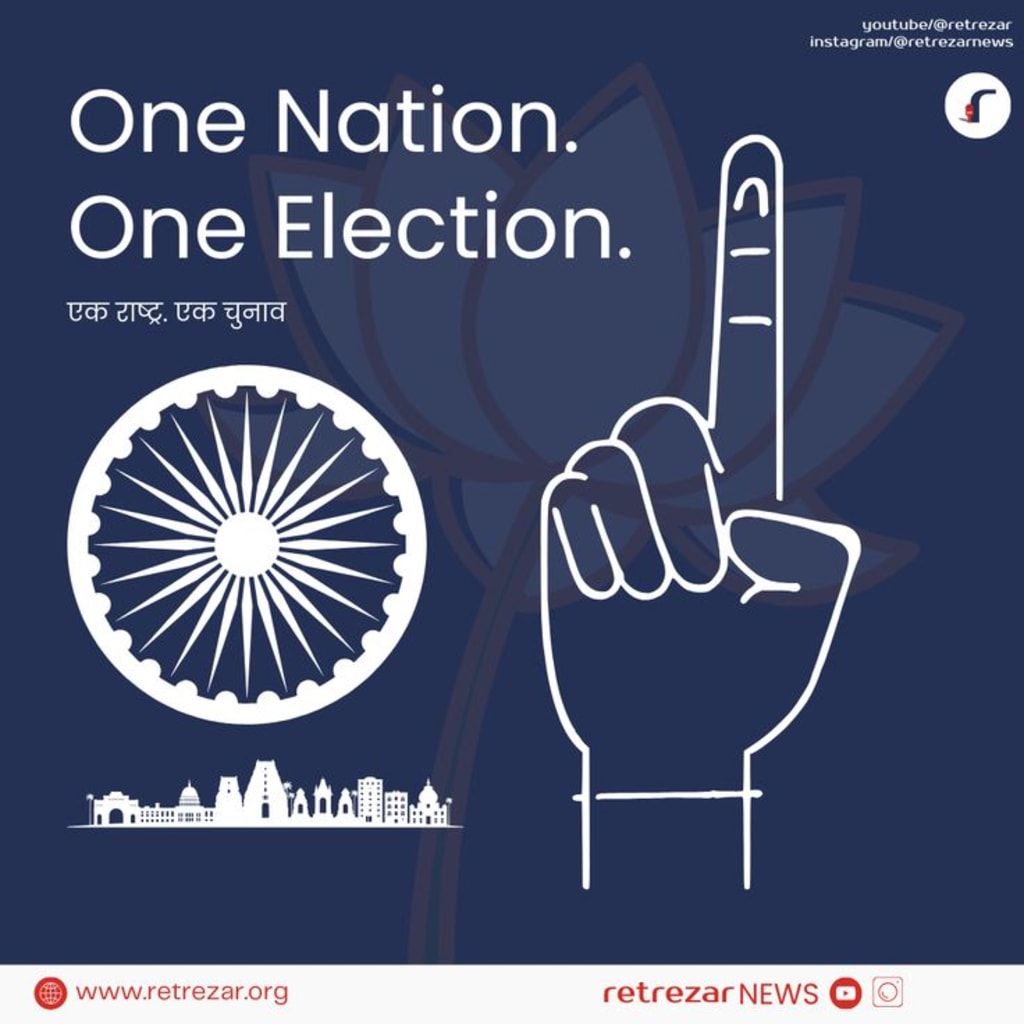
'One Nation, One Election': Cabinet Nod to Bills for Simultaneous Polls, Say Sources
The concept of "One Nation, One Election" (ONOE) has long been a topic of debate in Indian politics. Recently, the Union Cabinet reportedly approved a set of bills aimed at implementing simultaneous elections for the Lok Sabha and state assemblies. This decision marks a significant step towards aligning India's electoral cycles and reducing the frequency of elections across the country. Here is an in-depth look at the topic under various sub-headings.
The Core Idea of 'One Nation, One Election'
The principle of ONOE envisions conducting elections for the Lok Sabha and all state legislative assemblies at the same time. This proposal aims to streamline the election process, enhance governance, and save substantial public resources. India has been conducting staggered elections since independence, which has resulted in frequent implementation of the Model Code of Conduct (MCC), hampering developmental work.
Simultaneous elections were the norm in India until 1967. However, political instability and premature dissolution of state assemblies disrupted this cycle. The ONOE initiative seeks to return to a unified electoral calendar, bringing consistency and efficiency to the democratic process.
Recent Developments: Cabinet Approval
Sources indicate that the Union Cabinet has given its nod to a set of bills to be tabled in Parliament to pave the way for simultaneous elections. These bills reportedly aim to amend existing constitutional and legal provisions to align electoral terms. Key amendments would likely include changes to Articles 83, 85, 172, and 174 of the Indian Constitution, which govern the terms and sessions of the Lok Sabha and state assemblies.
While official details of the proposed bills remain under wraps, this approval signals the government’s intent to push forward with ONOE as a legislative priority. Parliament's upcoming winter session is expected to see intense debates on the subject, with political parties expressing varied opinions.
Potential Benefits of ONOE
1. Cost Efficiency:
Conducting frequent elections incurs significant financial costs for the Election Commission of India (ECI), political parties, and the public exchequer. ONOE could drastically reduce these expenses by combining resources for a single electoral event.
2. Administrative Ease:
A unified election cycle would ease the logistical and administrative burden on the ECI, security forces, and government machinery. Managing multiple elections over different timelines often stretches resources thin.
3. Reduced Disruption:
Frequent elections often disrupt governance due to the imposition of the MCC. With ONOE, governments can focus on long-term policy implementation without the recurrent interruption of election campaigns.
4. Increased Voter Participation:
Simultaneous elections could lead to higher voter turnout as citizens would need to vote only once during a five-year period, reducing election fatigue.
Challenges in Implementation
Despite its apparent advantages, the ONOE proposal faces several hurdles:
1. Constitutional Amendments:
Achieving simultaneous elections requires significant constitutional changes, including amendments to provisions governing the tenure of legislatures. This process necessitates broad political consensus and approval by a two-thirds majority in Parliament and ratification by at least half of the states.
2. Political Opposition:
Opposition parties have expressed reservations about ONOE, arguing that it could undermine federalism. They contend that aligning elections might favor national parties and diminish the focus on regional issues.
3. Operational Complexity:
Synchronizing electoral cycles requires dissolving or extending the terms of certain legislatures, which raises questions about democratic fairness. For example, assemblies nearing the end of their term may face early dissolution, while others may have their terms extended, both of which could face legal challenges.
4. Logistical Challenges:
Conducting elections simultaneously across a vast and diverse country like India requires meticulous planning and deployment of massive resources, including electronic voting machines (EVMs) and security personnel.
Global Perspectives on Simultaneous Elections
Several countries, including the United States and South Africa, hold simultaneous elections at different levels of government. These nations have reaped benefits such as streamlined processes and reduced electoral expenditure. However, their success is often attributed to factors like smaller populations or less complex federal structures, making India's ONOE implementation more challenging.
Expert Opinions
Policy experts and political analysts remain divided on ONOE. Proponents argue that the initiative is a much-needed electoral reform that can strengthen governance and democratic accountability. Critics, however, warn of potential centralization of power and the marginalization of regional voices.
According to former Chief Election Commissioner SY Quraishi, "While ONOE has its merits, its implementation must be preceded by a detailed study and a consensus-driven approach." Similarly, constitutional expert Faizan Mustafa highlights the importance of safeguarding India’s federal structure while considering any electoral reforms.
The Road Ahead
The Union government is likely to constitute a high-level committee to examine the feasibility and implications of ONOE. This committee would be tasked with addressing legal, logistical, and political challenges associated with the proposal.
Engaging all stakeholders—including political parties, state governments, and civil society organizations—will be crucial for building consensus. Public consultations and debates in Parliament are expected to play a significant role in shaping the final framework.
Conclusion
The "One Nation, One Election" proposal represents a transformative vision for India’s electoral system. While it promises significant benefits in terms of cost savings and governance efficiency, its implementation requires careful planning, legal clarity, and political consensus. As the nation awaits further details on the Cabinet’s proposed bills, the ONOE debate is poised to remain at the forefront of India’s political discourse. Whether this vision becomes a reality will depend on the ability of stakeholders to address the challenges and align their interests in the spirit of cooperative federalism.
About the Creator
Mahalakshmi
"My name is Mahalakshmi, and I'm passionate about storytelling in all its forms. From fiction to real-life tales, I love writing all types of stories that inspire, entertain, and spark imagination. Join me on this creative journey!"
Keep reading
More stories from Mahalakshmi and writers in Serve and other communities.
"UNSTOPPABLE: Macy’s CEO Rallies Customers Amid Nationwide Closures of 150 Stores"
"UNSTOPPABLE: Macy’s CEO Rallies Customers Amid Nationwide Closures of 150 Stores" A Legacy of Perseverance For over a century, Macy’s has stood as a symbol of American retail excellence. From its iconic Thanksgiving Day Parade to its flagship store on Herald Square in New York City, Macy’s has been more than just a shopping destination; it has been a part of the cultural fabric of the nation. However, recent times have tested the resilience of this storied institution.
By Mahalakshmiabout a year ago in Serve
Stolen Bike, Not Valor
Koa was riding his new electric bike through the city park not too far from the US Embassy where he served in an Asian country. The ride was a part of his daily evening workout. He didn't really like the idea of an electric bike because he thought it was lazy. Besides, Koa had another good mountain bike he'd bought here used and it gave him a much better workout. But this one was his girlfriend's gift for his 29th birthday that she had taken the trouble to ship to him across the ocean. Koa felt obliged to ride it out at least occasionally, but promised himself not to use the battery. He even took it off the bike, to avoid the temptation.
By Lana V Lynx27 days ago in Serve



Comments
There are no comments for this story
Be the first to respond and start the conversation.