
Middle East on Edge
U.S. military forces surge near Iran as tensions escalate; strategic drills and diplomacy shape a volatile regional standoff


Escalation on Multiple Fronts
The United States and Iran find themselves in a high-stakes standoff that is drawing global concern. In response to mounting tensions with Tehran, Washington has significantly increased its military footprint in the Middle East. This buildup, which includes naval units, air assets, and joint exercises, comes amid heated rhetoric and conflicting strategic aims that could shape the region’s security environment for months — or years — to come.
At the center of this tension is the deployment of the USS Abraham Lincoln Carrier Strike Group, now operating in the region with advanced fighter aircraft, guided-missile destroyers, and support vessels. Around 50,000 U.S. troops are reported to be stationed across the Middle East, reinforcing positions already maintained at bases in Bahrain, Qatar, Kuwait, and other allied states.
Military Exercises and Show of Strength
Rather than merely positioning forces, the U.S. is actively conducting multi-day military exercises designed to demonstrate readiness and combat agility. Air Force components under U.S. Central Command (CENTCOM) are engaging in drills that test rapid deployment, dispersed operations, and coordination with regional partners.
These exercises are framed publicly as precautionary and defensive — intended to prepare troops for a broad range of contingencies. They include aerial maneuvers, logistics operations with minimal footprints, and tactical rehearsals that could transition swiftly to real missions if ordered.
In tandem with the drills, U.S. leadership has emphasized deterrent messaging. President Donald Trump, in recent statements, highlighted the “armada” of U.S. forces massing near Iran, framing it as both a strategic warning and an incentive for Tehran to negotiate on issues like nuclear capabilities.
Diplomatic and Regional Reactions
While the U.S. mobilizes, allies and neighboring states are reacting cautiously. Some Gulf Cooperation Council countries stress the importance of regional stability and have declined to permit their airspace or territory to be used for attacks against Iran. Such diplomatic signals underscore the delicate balance states in the region are trying to maintain between supporting partners and avoiding outright conflict.
Meanwhile, Iran has responded with its own displays of readiness. Iranian state and military media highlight deployments of air defense systems and missile batteries intended to guard strategic locations such as the Strait of Hormuz, a vital corridor for global energy exports. Tehran insists these steps are defensive, aimed at deterring external aggression while safeguarding national sovereignty.
The Prospect of Direct Confrontation
The proximity of U.S. and Iranian forces, combined with increasingly strident public rhetoric, has fueled speculation about the possibility of direct military action. Some regional analysts suggest the Middle East is edging toward a “multi-sector conflict scenario,” where confrontation between the two countries — or even U.S. strikes on Iranian territory — cannot be ruled out.
Tehran’s leaders have issued warnings that any attack on their country would be met with strong retaliation, potentially involving Iran’s ballistic missile forces and allied militias across the region. These pronouncements contribute to the growing perception among analysts that a new escalation could trigger broader instability.
The Nuclear Dimension
A major underlying driver of the crisis remains Iran’s nuclear program and ongoing disputes over its scope and oversight. Washington continues to press for limitations, insisting that Tehran must commit to verifiable restrictions or face heightened pressure. Trump’s recent messaging frames military presence as leverage to bring Iran “to the table” on nuclear negotiations, though diplomatic channels remain strained.
Iran, for its part, rejects what it characterizes as coercive demands. The leadership argues that negotiations under threat of force are neither credible nor acceptable, reinforcing its stance that defensive preparedness is necessary in the face of external pressure.
Human and Economic Costs
Beyond the immediate strategic and military considerations, the standoff carries human and economic implications. Recent protests within Iran, met with a violent crackdown, have contributed to domestic instability and drawn criticism from international human rights groups. U.S. officials have cited these internal developments in their rationale for maintaining pressure on Tehran.
Global markets have also been sensitive to regional tensions. The Strait of Hormuz’s strategic importance for the flow of oil means that any disruption — or even the threat of disruption — reverberates through energy prices and investor sentiment worldwide.
A Region on Watch
As events unfold, the Middle East remains on high alert. Military buildups, diplomatic signaling, and public warnings suggest a situation that could escalate or potentially ease, depending on the decisions of leaders on both sides. The interplay between deterrence and diplomacy will likely determine whether this moment passes as a tense standoff or escalates into direct confrontation — with profound consequences for regional and global security.
About the Creator
USA daily update
News, Politics, Technology Updates
Keep reading
More stories from USA daily update and writers in Serve and other communities.
Iran's plan to hit $20 billion asset of USA
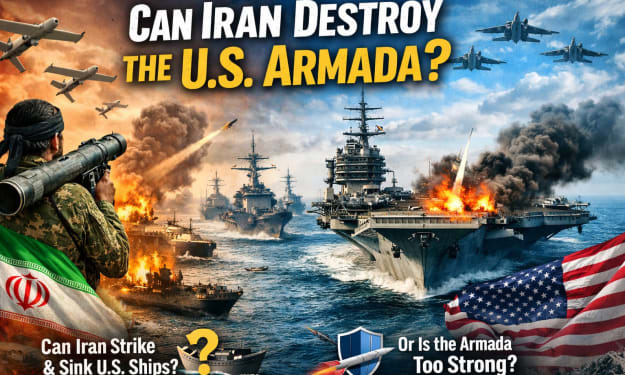
U.S. Military Deployment Toward Iran Explained Recently, U.S. President Donald Trump confirmed that a large American naval force — including the aircraft carrier USS Abraham Lincoln and several warships — has been sent toward the Middle East amid rising tensions with Iran. Trump described this as a “big armada” heading in that direction, though he also said he hopes conflict can be avoided.
By USA daily update a day ago in Serve
Greg Bovino and the Border Patrol Storm That Shook U.S. Immigration Debates
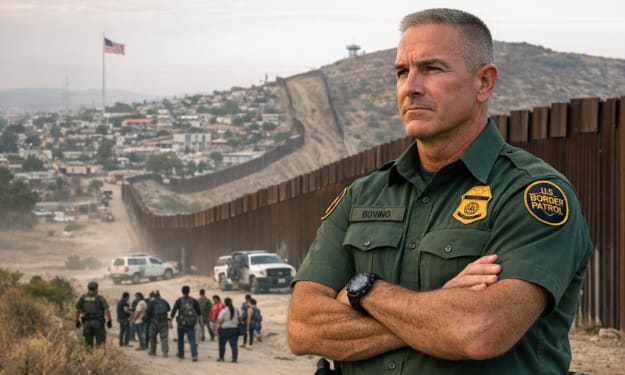
Greg Bovino and the Border Patrol Storm That Shook U.S. Immigration Debates Greg Bovino is a former United States Border Patrol agent whose name has become closely linked to intense national debates over border security, immigration enforcement, and the role of federal law enforcement in a politically divided climate. His rise to public attention did not come from routine service alone, but from outspoken positions that challenged federal leadership and ignited controversy across political and social lines. Bovino’s story reflects a deeper conflict within American society over how borders should be secured and how much freedom law enforcement officials should have to criticize government policy.
By America today 2 days ago in Serve
One Small Act Can Change the World: How Everyday Kindness Creates Ripples of Hope
One Small Act Can Change the World: How Everyday Kindness Creates Ripples of Hope You don’t need to be a hero or do something huge—every kind word, patient moment, and thoughtful action matters more than you think
By Mahmoud Ahmed 3 days ago in Serve


Comments
There are no comments for this story
Be the first to respond and start the conversation.