
Mastering 5S: The Key to Workplace Efficiency and Organization
Transforming Workspaces for Peak Productivity and Sustainable Success

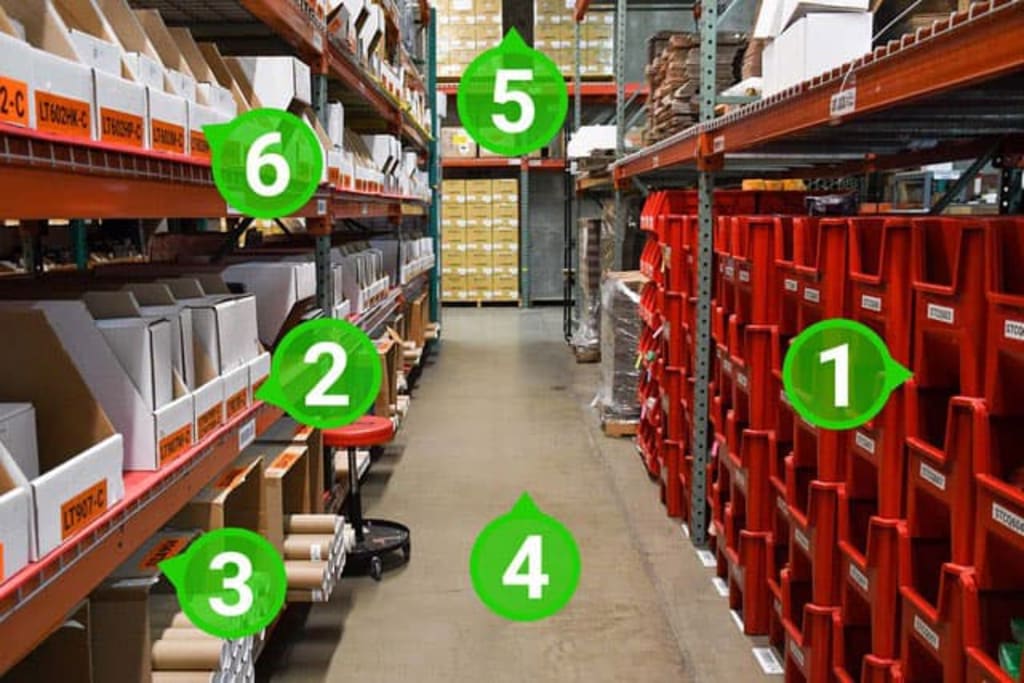
Introduction to 5S
Efficiency in the workplace is more than just a buzzword; it’s the backbone of successful operations. One methodology that has transformed industries worldwide is 5S. Born from the principles of lean manufacturing, 5S focuses on creating a streamlined, visually managed workspace that minimizes waste and maximizes efficiency. The system not only organizes a workspace but cultivates a disciplined culture that drives continuous improvement.
Origins of the 5S System
The roots of 5S can be traced back to Japan, where the Toyota Production System revolutionized manufacturing. Toyota’s quest to eliminate waste and inefficiency led to the birth of 5S. Over time, this methodology spread across the globe, making a significant impact on industries seeking to enhance productivity and quality.
Understanding the 5S Terms
At the core of 5S are five principles, each essential to workplace transformation.
Seiri (Sort)
Sorting is the first step in the 5S process, where everything unnecessary is removed. The objective is to only keep what is required for current operations, eliminating clutter and distractions.
Seiton (Set in Order)
Once unnecessary items are removed, the next step is organizing. Each tool, document, or material must have its place, making it easily accessible to reduce time wastage and increase productivity.
Seiso (Shine)
A clean environment is a productive one. Seiso emphasizes proactive cleanliness and maintenance, ensuring that the workspace remains functional and presentable, contributing to the overall well-being of workers.
Seiketsu (Standardize)
To ensure the first three steps are maintained, Seiketsu focuses on standardization. Procedures are established, creating a consistent routine that locks in the gains achieved through sorting, setting in order, and cleaning.
Shitsuke (Sustain)
Sustaining the 5S system requires discipline. This final step ensures that the new practices are not only maintained but continuously improved upon. Audits, training, and management commitment are critical to sustaining the 5S culture.
The Significance of Visual Management in 5S
Visual management is a cornerstone of 5S, where signage, markings, and visual indicators play a pivotal role in guiding workflow. From colored bins to floor markings, these visual cues enable workers to identify inefficiencies at a glance. Visual management creates transparency, making it easier to maintain order.
Implementing 5S: Step-by-Step Guide
To implement 5S, organizations must approach it systematically. The process begins with training, followed by hands-on application in the workspace. Leaders must champion the cause, engaging employees in 5S activities and continuously monitoring progress.
Seiri: Sorting to Eliminate Waste
Sorting is where it all begins. Going through materials and identifying what’s essential and what’s waste is critical to creating a lean workspace. This process, though seemingly simple, is often the most impactful as it removes physical and mental clutter, allowing teams to focus solely on value-adding activities.
Seiton: Setting Things in Order
After eliminating unnecessary items, the next step is organizing what remains. This is where ergonomic design comes into play—tools and materials are positioned for easy access, reducing unnecessary movements and creating a seamless flow of work. A well-ordered workspace contributes to speed and accuracy in operations.
Seiso: Shining the Workplace
Shining isn’t just about cleanliness for the sake of appearance. It’s about creating a workspace that reflects the discipline of the organization. Regular cleaning prevents accidents, identifies potential issues like equipment malfunction, and fosters a sense of pride among employees.
Seiketsu: Standardizing Processes
Standardization turns the first three steps into an enduring part of the organization’s culture. This involves creating schedules, assigning responsibilities, and setting clear expectations for maintaining the newly organized and clean workspace. Standards ensure that the progress made is not lost over time.
Shitsuke: Sustaining the Culture
The final step, sustainment, is the most challenging but also the most critical. It requires a continuous effort to reinforce the behaviors and practices established during the 5S process. Management must conduct regular audits, provide ongoing training, and lead by example to ensure that 5S becomes ingrained in daily operations.
Benefits of 5S in Workplace Organization
The benefits of 5S are extensive. It creates a more organized, efficient workplace, reduces downtime, and enhances quality control. Moreover, it improves employee morale by fostering a cleaner, safer, and more structured environment, where everything has a purpose and a place.
Challenges in 5S Implementation
Despite its benefits, implementing 5S is not without its challenges. Resistance to change is common, particularly in established work environments. Success requires strong leadership, clear communication, and a commitment to continuous improvement.
5S and Lean Manufacturing
5S is deeply connected to lean manufacturing, particularly Just-in-Time (JIT) production. By streamlining the workspace and eliminating inefficiencies, 5S makes it easier to implement JIT principles, reducing lead times and increasing responsiveness to customer demand.
Case Studies of 5S Success
Many organizations have successfully implemented 5S with remarkable results. From manufacturing plants to hospitals, 5S has led to reduced waste, improved productivity, and increased employee engagement. These success stories serve as inspiration for those looking to enhance their own workplace efficiency.
Conclusion
5S is more than just a tool for tidying up; it’s a transformative methodology that improves efficiency, quality, and morale. By mastering 5S, organizations can unlock new levels of productivity and create a work environment that truly supports success.
About the Creator
Amrito Kumar
Hellow, I am Amrito Kumar And i will provide basic to advanced Guest Post Service.
Keep reading
More stories from Amrito Kumar and writers in Serve and other communities.
Expert Flat Renovation Services in London | Transform Your Home
Introduction Home renovation holds a paramount significance in enhancing the essence of living spaces. In the vibrant city of London, where architectural diversity reigns supreme, expert flat renovation services offer an opportunity to breathe new life into residences. This article delves into the intricacies of flat renovation, elucidating the myriad benefits and essential considerations that inform the process.
By Amrito Kumarabout a year ago in Serve
Is Benjamin Netanyahu Dead?
Introduction In the modern digital age, rumors and misinformation can spread quickly across social media and online platforms. One such rumor that occasionally appears online concerns the supposed death of Benjamin Netanyahu, the long-time political leader of Israel. Many people search the internet asking whether the Israeli prime minister has died. However, it is important to examine reliable information and understand the truth behind such claims.
By shaoor afridia day ago in Serve
Which Countries Did Iran Target in Recent Attacks?”
In recent days, tensions in the Middle East have escalated dramatically as Iran launched a series of missile and drone attacks across the region. These attacks were largely seen as retaliation following military strikes by the United States and Israel on Iranian targets. As a result, the conflict has spread beyond Iran and Israel, affecting several neighboring countries and raising fears of a wider regional war.
By shaoor afridi7 days ago in Serve




Comments (1)
Hey, just wanna let you know that this is more suitable to be posted in the FYI community 😊