
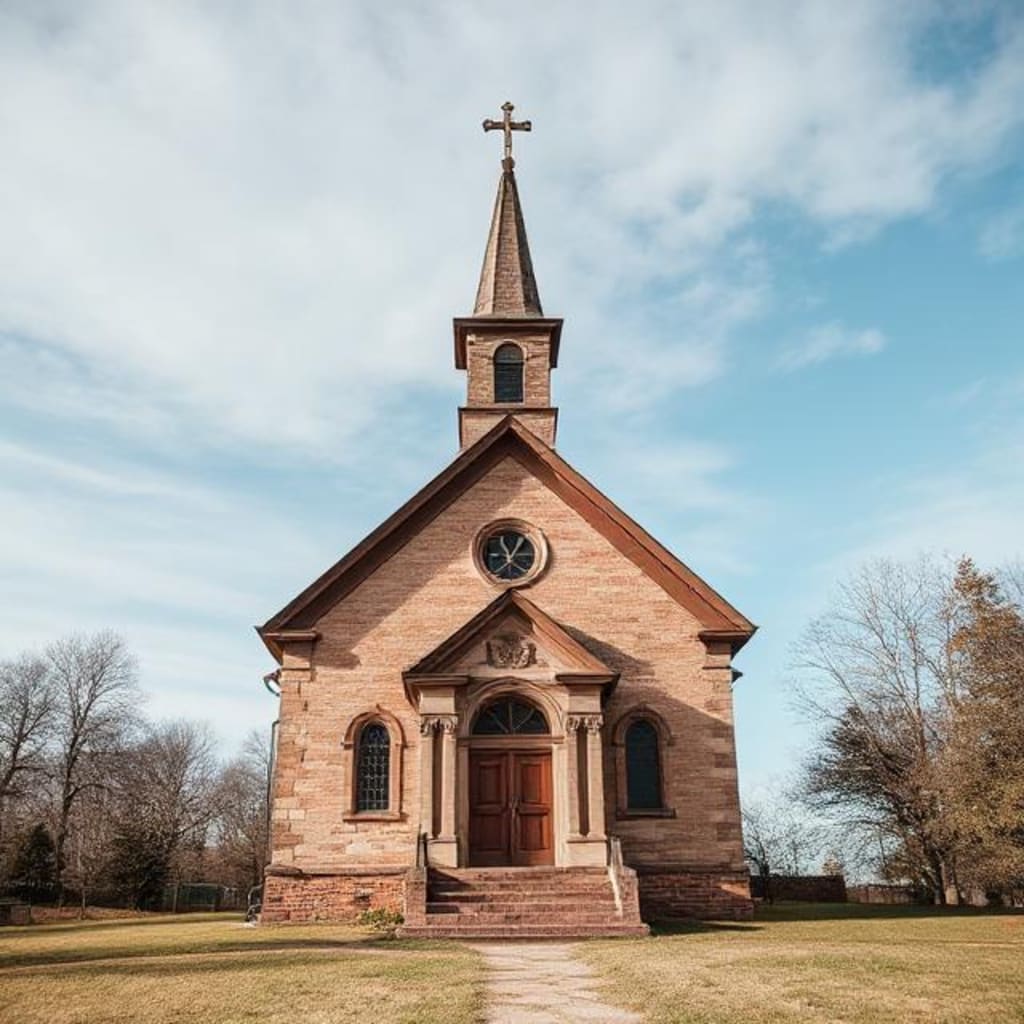
Starting a church is a profound journey that calls for dedication, faith, and a clear vision. In a world where spiritual communities can provide support, purpose, and fellowship, establishing a church can serve not only as a place of worship but also as a hub for community engagement, outreach, and growth.
Before embarking on the journey of starting a church, it is crucial to understand your calling. Reflect on your motivations and the vision God has placed in your heart. Consider the following questions:
What is your personal testimony?
What specific needs do you see in your community?
How does your vision align with biblical teachings?
Spend time in prayer and seek guidance through scripture, conversations with mentors, and community feedback. Clarity of purpose is essential for the long road ahead.
Understanding the community you intend to serve is vital. Conduct thorough research to identify the demographics, needs, and existing faith communities in your area. Consider the following strategies:
Surveys and Interviews: Talk to community members about their spiritual needs and challenges.
Attend Local Services: Observe existing churches and their community outreach efforts. What works well? What could be improved?
Local Demographics: Study statistics related to age, ethnicity, socio-economic status, and cultural trends. This data will help shape your outreach strategies and programming.
With a clear understanding of your calling and community, the next step is to articulate a vision and mission statement. This statement will serve as a guiding light for your church’s identity and direction.
Vision Statement: A concise statement that reflects your aspirations for the future.
Mission Statement: A clear declaration of the church's purpose, emphasizing outreach, service, and community engagement.
For example, a church's mission might be: "To cultivate a community of believers who share God’s love through service, worship, and fellowship."
No church can thrive without a strong leadership team. Assemble a group of individuals who share your vision and are passionate about building the church. Consider the following roles:
Pastoral Leadership: Find a lead pastor or minister who aligns with your vision.
Elders and Deacons: Establish a group to provide spiritual oversight and administrative support.
Ministry Leaders: Recruit individuals to lead specific ministries, such as youth, worship, outreach, and education.
Encourage open communication and shared decision-making to cultivate a collaborative atmosphere.
Starting a church involves various legal and financial responsibilities. Take the following steps to ensure compliance and sustainability:
Incorporation: File for non-profit status in your state, which often provides tax exemptions and legal protections.
Financial Planning: Create a budget that outlines anticipated expenses and income sources, including tithes, offerings, and donations.
Fundraising: Develop a strategy to raise funds, which might include events, crowdfunding, and grant applications.
Consult with legal and financial professionals to navigate these complexities effectively.
Your church's physical location plays a significant role in its growth and accessibility. Here are some options to consider:
Rental Spaces: Look for community centers, schools, or conference rooms available for rent.
Home Gatherings: Start with small gatherings in homes to build community before moving to a larger space.
Buying Property: If feasible, consider purchasing land or an existing building, keeping future growth in mind.
Evaluate the location’s visibility, accessibility, and alignment with your mission.
Design a worship service that resonates with your target community while remaining true to your church's mission. Consider these elements:
Format: Will your services be traditional, contemporary, or a blend?
Music and Worship Style: Choose music that appeals to your community and supports the worship experience.
Preaching Style: Develop a teaching style that is engaging, relatable, and biblically grounded.
Start with regular services and consider incorporating small group gatherings, Bible studies, or community events to foster connection.
A thriving church is active in the community. Develop outreach programs that meet local needs, such as:
Food Drives: Organize food distribution or meal preparation for those in need.
Community Events: Host family-friendly events that invite non-church members to engage.
Volunteer Opportunities: Encourage members to serve in local shelters, schools, or missions.
About the Creator
ANDY
I am the author of the book "Ways to Cultivate a Life of Meaning".
Putinsnappy” Dead or Alive?
1. Who Is “Putinsnappy”? First, it’s important to explain the name “Putinsnappy.” Searches show that @MrPutinSnappy is a social media or parody account name (likely on platforms like X/Twitter) that presents commentary about world politics and Russia. It is not an official account of the Russian president, nor does it have any authoritative standing. �
By shaoor afridia day ago in Serve
I wanted to title this something different, but worried that my chosen title might cause problems entering the United States in the future so this is the new title. It's the greatest title. No one has ever written a title better than this. (All titles unrelated to content).
Let me be honest. I am finding this difficult. Now, I like a challenge, a stretch, a bit of an obstacle course. “Write about the decline of the British Empire in the form of a narrative poem in which your protagonist is an artichoke” I read, and flex my fingers. “Write a haiku to evoke the sensation of sibilance using only the first half of the alphabet.” “Well”, I think to myself, “this should be fun.” But “write about a system that isn’t working”? A system that isn’t working? Now? In 2026? ONE system? My favourite system that isn’t working? The sexiest system that isn’t working? The one giving me the most angst day to day? The one giving me the most existential dread? I am, as I say, finding this difficult. I will own that I have contemplated writing a thousand words on why the steady “all on” setting on my fairy lights is the EIGHTH of seven options which must be sequentially activated to get there, because that is a system that some fool came up with and it definitely doesn’t work, and now who is paying the price, eh? But how can I write about my fairy lights when…. When…. When….
By Hannah Moore6 days ago in Humans




Comments
There are no comments for this story
Be the first to respond and start the conversation.