
How to Repair Common Home Appliances
Simple Solutions for Fixing Everyday Household Gadgets
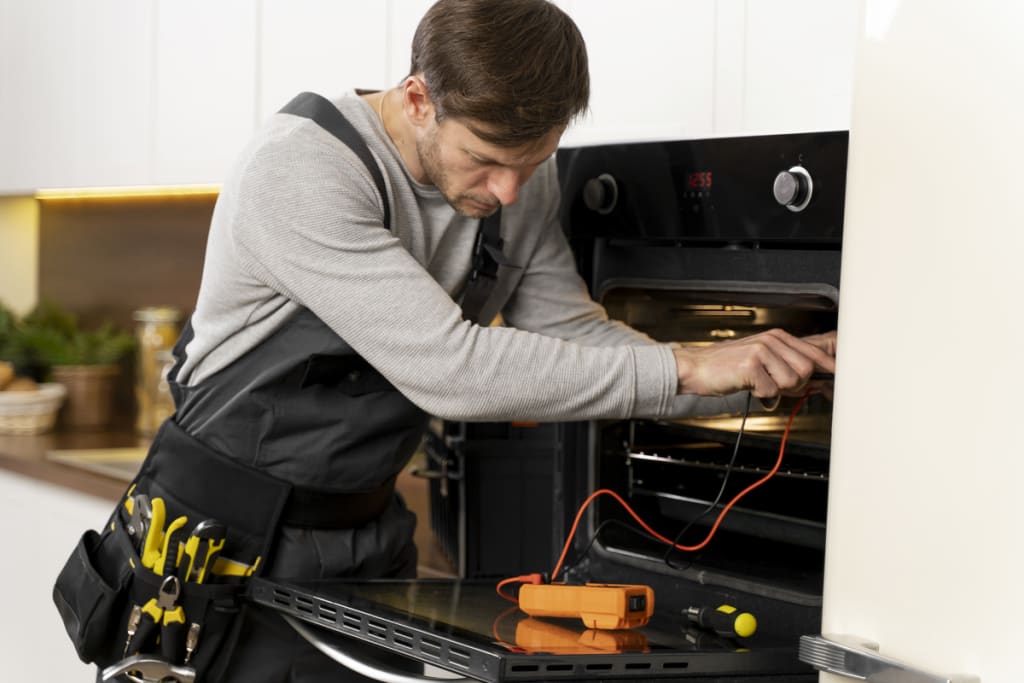
Understanding the Importance of Appliance Repair
Because they make domestic chores simpler and more effective, home appliances are indispensable to our everyday existence. Over time, though, these devices are prone to faults. Not only can you save money by knowing how to fix common household equipment, but you can also prolong their lives. You can save money and hassle by doing little repairs yourself rather than calling a professional for every problem. This thorough tutorial will show you how to fix some of the most popular household appliances, so you'll be ready for any small problems down the road.
Common Home Appliances and Their Issues
Common Refrigerator Problems
Refrigerators can face several issues, such as:
Not Cooling Properly: Often caused by a faulty thermostat, dirty condenser coils, or a malfunctioning evaporator fan.
Water Leakage: Usually due to a blocked defrost drain, or sometimes a clogged or frozen water supply line.
Ice Maker Issues: Might stem from a clogged water inlet valve, a malfunctioning ice maker assembly, or a faulty ice level control board.
Step-by-Step Repair Guide
Check the Thermostat: Ensure the thermostat is set to the correct temperature. Adjust if necessary. If the temperature doesn’t change, the thermostat might need replacing.
Clean the Condenser Coils: Dust and debris on the coils can affect cooling efficiency. Clean them with a vacuum or coil brush every six months to maintain optimal performance.
Replace Door Seals: Worn-out seals can let warm air in, causing the fridge to work harder. Inspect and replace them if they’re damaged or cracked to ensure a tight seal.
Dishwasher Repair
Dishwashers often face:
Not Cleaning Dishes: Caused by a dirty filter, blocked spray arms, or a malfunctioning detergent dispenser.
Water Not Draining: Can be due to a clogged drain hose, pump, or faulty check valve.
Leaking: Often a result of a worn door gasket, loose connections, or a defective float switch.
Step-by-Step Repair Guide
Clean the Filter: Remove and clean the filter to ensure it’s not blocked. A clean filter ensures optimal water flow and cleaning performance.
Inspect the Spray Arms: Ensure they’re not clogged and can spin freely. Remove any debris from the holes to improve water distribution.
Check the Door Gasket: Replace it if it’s cracked or damaged to prevent leaks. Ensure it’s properly seated and forms a tight seal when the door is closed.
Oven and Stove Repair
Common problems include:
Oven Not Heating: Could be due to a faulty heating element, thermostat, or igniter.
Gas Burner Not Lighting: Often caused by a clogged burner port or faulty ignition switch.
Uneven Cooking: Might result from a malfunctioning thermostat, heating element, or improper rack placement.
Step-by-Step Repair Guide
Replace the Heating Element: If the oven isn’t heating, this part might need replacing. Unplug the oven, remove the old element, and install a new one.
Clean the Burner Ports: Ensure they’re free of debris for proper gas flow. Use a straight pin or needle to clear any blockages.
Calibrate the Oven Temperature: Use an oven thermometer to check and adjust the thermostat settings. Follow the manufacturer’s instructions for recalibration.
Essential Tools for Appliance Repair
Basic Hand Tools
Screwdrivers: A set of flathead and Phillips screwdrivers is essential for removing panels and screws.
Pliers: Useful for gripping and bending components, especially when accessing hard-to-reach areas.
Wrenches: Adjustable wrenches are handy for various nuts and bolts, providing the versatility needed for different sizes.
Specialized Tools
Multimeter: For checking electrical components, such as continuity, voltage, and resistance. It’s crucial for diagnosing electrical issues.
Appliance-Specific Tools: Certain repairs may require specialized tools, such as a coil brush for cleaning refrigerator coils or hose clamps for securing washing machine hoses.
Safety Tips for Appliance Repair
Electrical Safety
Turn Off the Power: Always unplug the appliance before starting any repair to prevent electrical shocks.
Use Insulated Tools: These protect against electrical shocks, ensuring safety while working with electrical components.
Handling Sharp Components
Wear Protective Gloves: Prevent cuts and injuries while handling sharp parts, such as metal edges and broken components.
Be Cautious of Sharp Edges: Some appliance parts may have sharp edges. Handle them carefully to avoid injury.
When to Call a Professional
Recognizing the Limits of DIY Repairs
Electrical Component Failures: If you’re not confident in handling electrical repairs, it’s best to call a professional appliance repair service to avoid further damage or safety risks
Gas Appliance Issues: Gas leaks can be dangerous. A professional should handle these repairs to ensure safety and compliance with regulations.
Warranty Considerations
Understanding Warranty Terms: Check if your appliance is still under warranty. Repairs done by unauthorized personnel might void the warranty.
Avoiding Voiding the Warranty: Attempting a DIY repair might void the warranty. Always read the terms and conditions, and consider calling the manufacturer or an authorized service provider.
Conclusion
Repairing common home appliances yourself can save money and extend their life. By understanding common issues and following step-by-step repair guides, you can address many problems without needing a professional. However, always prioritize safety and know your limits. For complex repairs or when your appliance is under warranty, it’s best to seek professional help. Taking the time to learn these skills will empower you to handle minor issues confidently and keep your home running smoothly.
FAQs
How often should I perform maintenance on my home appliances?
Regular maintenance should be done annually, or as recommended by the manufacturer, to keep appliances running efficiently. Routine checks can help prevent major issues and extend the lifespan of your appliances.
What should I do if my appliance is under warranty?
If your appliance is under warranty, contact the manufacturer or authorized service provider before attempting any repairs yourself. Unauthorized repairs can void the warranty and leave you responsible for repair costs.
Are there any risks to repairing appliances myself?
Yes, improper repairs can cause further damage or pose safety hazards. Always ensure you’re confident and have the right tools before attempting any repair. Follow safety guidelines and consult the appliance manual.
About the Creator
Keep reading
More stories from Joe Willey and writers in Serve and other communities.
How Often Should You Clean Your Air Ducts?
Air ducts are an integral part of your HVAC system, circulating air from your heating and cooling system into and out of each room, ensuring consistent interior comfort regardless of the season. Given their importance, it’s natural to wonder, "How often should you clean your air ducts?" Regular maintenance of your air ducts can significantly impact your home's air quality and HVAC system efficiency. This article will explore the signs that indicate it’s time to clean your air ducts, the recommended cleaning frequency, and tips for maintaining clean air ducts.
By Joe Willey2 years ago in Lifehack
Which Countries Did Iran Target in Recent Attacks?”
In recent days, tensions in the Middle East have escalated dramatically as Iran launched a series of missile and drone attacks across the region. These attacks were largely seen as retaliation following military strikes by the United States and Israel on Iranian targets. As a result, the conflict has spread beyond Iran and Israel, affecting several neighboring countries and raising fears of a wider regional war.
By shaoor afridi8 days ago in Serve
Escalation of the Iran-Israel Conflict: Regional and Global Implications
The conflict between Iran and Israel has entered a dangerous new phase, raising fears of a wider war across the Middle East. Military strikes, retaliatory attacks, and the involvement of international actors have turned the situation into one of the most serious geopolitical crises in recent years. Beyond the battlefield, the conflict is affecting global security, energy markets, and international diplomacy.
By shaoor afridi4 days ago in Serve




Comments
There are no comments for this story
Be the first to respond and start the conversation.