
How to Bake a Perfect Cake from Scratch: A Beginner’s Guide in 5 Simple Steps
Unlock the Secrets to Baking a Moist and Fluffy Cake
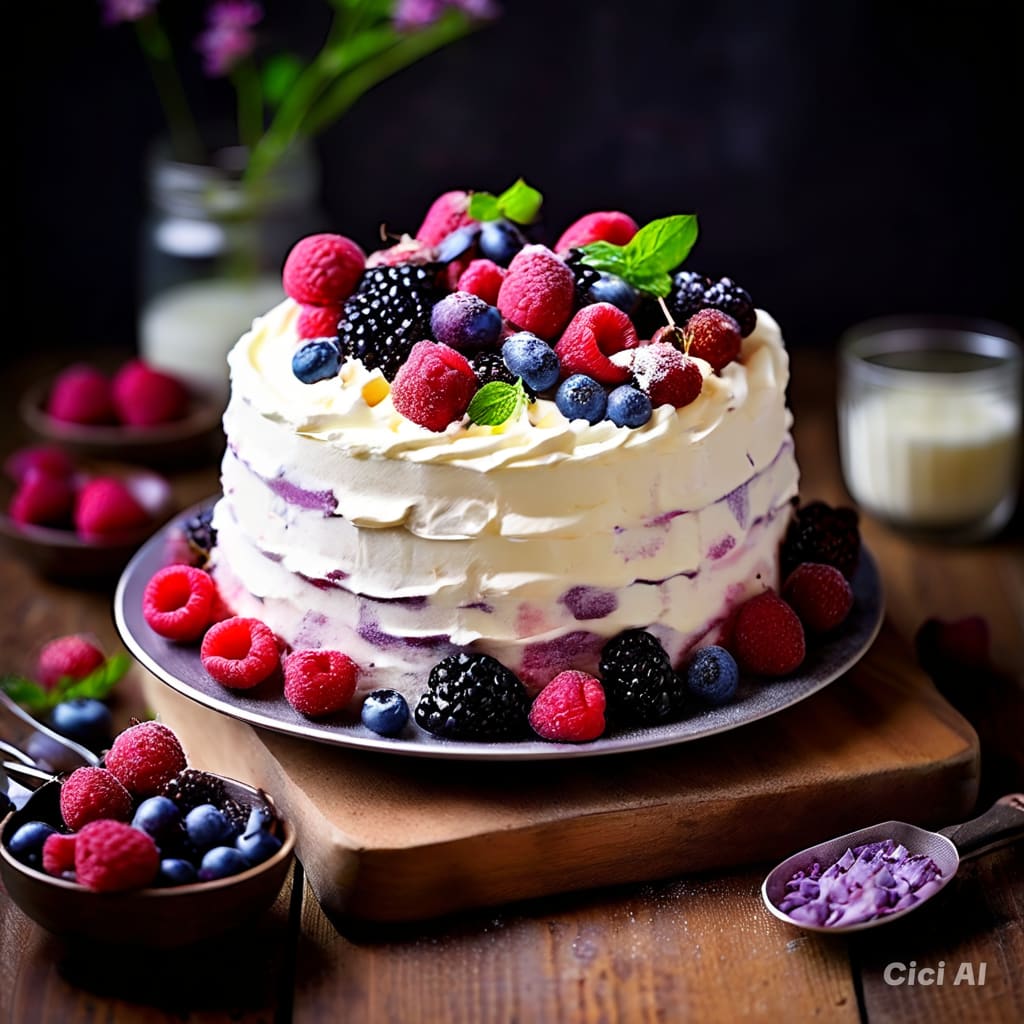
Baking a cake from scratch might seem intimidating, especially if you're starting. But, with a few essential tips and a little practice, you can learn how to bake a cake from scratch that rivals any bakery's offering. This guide will break down the basics, offering you an easy-to-follow, simple cake recipe for beginners that anyone can master. Baking is as much a science as it is an art; understanding the ingredients, the mixing techniques and the correct baking time are all crucial to achieving a cake that's moist, fluffy, and packed with flavour.
From gathering the best ingredients to handling common baking mistakes, we'll show you every step needed to create the perfect cake. For those who have always wanted to learn how to bake a cake step by step, this guide provides the insights you need to become a confident baker. You'll discover tricks like keeping your cake moist, tips on choosing the suitable flour and sugar, and even ways to test for doneness without over-baking or under-baking.
By the end of this guide, you'll have not only a delicious homemade cake but also a foundational knowledge of baking that allows you to explore different flavours and styles. With a few simple, straightforward steps, you'll be able to take on any cake recipe with ease. So, let's get started with these beginner-friendly tips and enjoy the process of creating something delightful from scratch. With this guide, you'll master the art of cake baking, creating treats that are as beautiful as they are delicious.
Gathering Ingredients for a Moist Cake
The first step to baking a fantastic cake is gathering quality ingredients, as each component contributes to the cake's taste, texture, and overall appearance. Choosing the suitable flour, sugar, eggs, and butter may seem basic, but these essentials create the foundation for your perfect bake. If you're aiming for a moist cake with a soft, fluffy crumb, consider using ingredients that lock in moisture, such as sour cream or buttermilk. These dairy options not only add moisture but also bring a subtle tang that enhances the cake's flavour. For richness, opt for full-fat dairy products, which provide structure and depth that make cakes genuinely satisfying. Additionally, sifting your flour is a small but essential step to avoid clumping, ensuring your cake has a tender crumb and doesn't end up dense.
Understanding how ingredients impact the final product is part of mastering how to bake a cake from scratch. When it comes to butter, always use unsalted butter for better control over the salt levels in your cake. Salt can impact the flavour balance, and using unsalted butter ensures you're adding just the right amount to enhance sweetness without overpowering it. Vanilla extract, while seemingly minor, plays a crucial role in giving the cake a warm, aromatic undertone; for best results, choose high-quality vanilla extract instead of imitation versions, as they can alter the flavour profile.
Fresh eggs are also essential. They provide structure and lift, helping the cake to rise and stay fluffy. When added gradually to the creamed butter and sugar, they help form a stable, emulsified batter. Measuring your ingredients accurately is another crucial step. A kitchen scale is a worthwhile investment to ensure precision, as slight variations in measurements can alter the cake's texture. For instance, adding too much flour can make a cake dry, while not enough sugar can affect its tenderness.
Even small choices, like selecting between all-purpose flour and cake flour, can make a big difference. Cake flour is lighter and finer than all-purpose flour, which results in a more tender cake. If you want a delicate, airy texture, try using cake flour. However, if you prefer a more substantial, hearty cake, all-purpose flour works well. As for sugar, superfine granulated sugar is ideal for cake baking because it dissolves more easily, contributing to a finer crumb and softer texture.
By carefully selecting, measuring, and preparing your ingredients, you're setting the stage for a smooth, well-mixed batter that will yield a soft, moist, and full-flavoured cake. With these basics covered, you're ready to move on to the following essential stage of cake baking: preparation and mixing.
Mastering the Art of Mixing Cake Batter
Once you have your ingredients ready, it’s time to dive into the mixing process. Proper mixing is essential to achieve the right batter consistency and texture, especially if you’re aiming to learn how to bake a fluffy cake. The key here is balance; both over-mixing and under-mixing can drastically alter your cake’s structure, often resulting in dense, dry, or crumbly results. The first step is creaming the butter and sugar together. This is more than just combining ingredients—it’s a technique that introduces air into the batter, creating a light and airy foundation. Be patient and mix until the butter and sugar become pale and fluffy, as this is essential for helping your cake rise beautifully in the oven.
If you’re following a step-by-step cake-baking guide, the order of adding ingredients is critical for achieving the right texture. After the butter and sugar are creamed, gradually add in the eggs one at a time. This slow incorporation ensures a smooth, well-emulsified batter that maintains its structure without separating.
The eggs add richness and volume, helping to stabilize the mix for a consistent texture throughout the cake. For a basic cake recipe for beginners, alternating wet and dry ingredients is a widely recommended technique. This means adding a portion of the flour, followed by a liquid like milk or buttermilk, and repeating this process until all ingredients are fully incorporated. This method prevents over-mixing and ensures a smooth, cohesive batter that will bake evenly.
When mixing the batter, it’s best to avoid high-speed settings on your mixer. High-speed mixing can overdevelop the gluten in the flour, resulting in a challenging and chewy cake instead of a soft, tender crumb. Mixing at low speed or even by hand offers more control, reducing the risk of overworking the batter. For added success, scrape down the sides of your bowl occasionally to ensure all ingredients are blended consistently.
Achieving the right consistency sets the stage for a perfect bake. By following these steps carefully, you’ll have a batter that’s well-prepared to go into the oven, setting you up for cake-baking success every time. This attention to detail in mixing is a fundamental skill for anyone who wants to consistently bake cakes that are delicious and visually appealing.
Preparing Your Baking Pan for Perfect Results
One of the most overlooked steps in cake baking is appropriately preparing the pan. Knowing how to bake a cake from scratch doesn’t end with selecting the right ingredients and mixing the batter; it also involves ensuring that your cake can be removed easily from the pan while maintaining its intended shape.
The first consideration is pan size. Choosing a pan that matches the recipe’s requirements is essential; a pan that’s too small may cause the batter to overflow, while a pan that’s too large can prevent the cake from rising to its intended height. Standard cake recipes will specify the correct pan dimensions, so it’s crucial to follow these instructions for the best results.
To keep your cake from sticking, thoroughly grease the pan with a thin layer of butter or a non-stick spray, then dust it lightly with flour. This tried-and-true method forms a barrier between the pan and the cake, helping the cake release effortlessly once baked. For extra assurance, especially with delicate cakes, you can also line the bottom of the pan with parchment paper, cutting it to fit. This method provides an additional layer of protection, making it ideal if you want the cake to come out cleanly every time. Following these cake-baking tips and tricks helps prevent the frustration of dealing with a cake that clings to the pan and tears upon release.
When it comes to pouring your batter, aim for an even distribution across the pan. This step ensures that the cake bakes uniformly without doming or sinking in the middle. To achieve a smooth surface, gently tap the filled pan on the countertop a few times to release any trapped air bubbles that may affect the cake’s appearance. For additional assurance, if your oven has hotspots, consider rotating the pan halfway through baking. By paying attention to these small but essential details, you’re setting your cake up for the best possible texture and appearance. With the batter poured and pan ready, you’re all set for the next stage: baking your cake to perfection.
Baking Your Cake to Perfection
Now that your cake batter is prepared and ready, it’s time to ensure a successful bake by understanding the nuances of oven settings and placement. Setting the oven to the correct temperature is crucial, as it directly affects how evenly and thoroughly the cake bakes. Most cakes bake well at 350°F, which provides an optimal balance that allows the cake to cook evenly without becoming too dry or overdone. Following precise cake-baking instructions for temperature and timing is particularly important for beginners, as even minor adjustments can influence the outcome. For instance, a temperature that’s too high may result in a burnt crust with an undercooked centre, while baking too low could make the cake dense, heavy, or under-risen.
Placing your cake in the centre of the oven ensures even heat distribution around the pan, helping it bake uniformly. This position minimizes the risk of an uneven rise or crooked appearance. It’s also essential to resist the urge to open the oven door frequently. Every time the door opens, the temperature fluctuates, which can interrupt the cake’s rising process, causing it to sink in the centre or cook unevenly. If you need to check on your cake, wait until it’s almost done and quickly open the door.
Checking for doneness is an essential final step in a perfect cake recipe. Using a toothpick or cake tester, gently insert it into the centre of the cake; if it comes out clean, your cake is ready. If there’s batter on the tester, allow the cake a few more minutes in the oven, checking periodically until done. Another way to check is by lightly pressing the centre of the cake; if it springs back, it’s likely baked through.
After removing the cake from the oven, let it sit in the pan for about 10 minutes. This short cooling period allows the cake to firm up slightly, making it easier to remove without breaking. Afterwards, transfer the cake to a cooling rack to cool completely. Cooling on a rack prevents the bottom from becoming soggy and allows any residual heat to escape evenly. Once cooled, the cake is ready for frosting, decoration, or serving. Be patient with this cooling stage, as frosting a warm cake can cause the frosting to melt and slide off, which will affect the cake’s presentation.
With these steps, you’re well on your way to baking a cake that not only tastes delicious but also has a professional, bakery-quality appearance. By mastering temperature, timing, and cooling techniques, you’ll produce a cake that’s sure to impress both in flavour and aesthetics.
Frosting and Decorating Your Cake
The final and most creative step in making a stunning homemade cake is frosting and decorating. While learning how to make a moist cake is critical to baking success, finishing it with a flavorful and attractive frosting elevates your creation. Begin by selecting a frosting that complements the cake’s flavours; for example, cream cheese frosting works beautifully with red velvet or carrot cakes, while vanilla or chocolate buttercream offers a versatile option suitable for nearly any cake. Whipping your frosting until it reaches a light, airy consistency is essential. Light frosting not only spreads more efficiently but also creates a professional, smooth finish.
Start with a thin layer of frosting known as a “crumb coat.” This initial layer traps any loose crumbs, ensuring that the final coat remains smooth and crumb-free. Apply the crumb coat with a spatula, spreading a thin layer over the entire cake. Once coated, refrigerate the cake briefly—about 15–30 minutes—to allow the crumb coat to set. This step is beneficial for delicate cakes, as it creates a stable surface for the final layer of frosting. After the crumb coat has firmed up, apply a thicker, more even layer of frosting, using a spatula to smooth the surface and edges.
Once your base layer of frosting is complete, it’s time to personalize your cake. Simple yet eye-catching decorations can make a significant impact. Fresh fruits like berries, citrus slices, or figs add vibrant colour and a touch of elegance. Alternatively, consider using sprinkles or edible flowers for a whimsical look. If you’re feeling adventurous, you can pipe small rosettes or borders using a piping bag for added texture and dimension. These touches add character without being overly complex, making them ideal for those following a step-by-step guide to baking a cake.
Mastering these frosting and decoration techniques allows you to create a cake that’s as visually appealing as it is delicious. The decoration process is also your opportunity to infuse personality into the dessert, whether through colour, texture, or patterns. From classic designs to playful garnishes, the way you finish your cake lets you showcase your style, making the dessert uniquely yours. With practice and these basic techniques, your cakes will not only taste fantastic but look bakery-worthy, impressing anyone lucky enough to enjoy a slice.
Baking a cake from scratch is an advantageous experience that combines creativity, precision, and joy. As you follow these quick and easy cake recipes, you’ll not only learn a reliable method for creating beautiful cakes but also gain confidence in each step. From selecting the right ingredients to mastering mixing techniques and perfecting your frosting, every stage plays a role in the outcome. Taking the time to follow these tips ensures that your cakes are delicious, visually appealing, and baked to perfection. With each cake you bake, you’ll build skills and develop a better understanding of the baking process, making it easier to experiment with new flavours, textures, and decorations.
As you continue to practice, you’ll be able to move beyond basic techniques and add your flair, making each cake uniquely yours. Whether it’s for a special occasion or just a weekend treat, the knowledge of how to bake a fluffy cake will serve you well, allowing you to surprise and delight those around you with your homemade creations. Embrace the process, and take pride in sharing something you’ve crafted from scratch. After all, baking is more than just following a recipe—it’s about creating memories and moments of joy with every slice. Happy baking!
The Bread Machine Bible: Your A-Z Cookbook to Effortless, Foolproof Baking at Home. Easy and Irresistible Recipes to Get Fresh Bread Every Day at the Push of a Button
About the Creator
Keep reading
More stories from Robbin Lee and writers in Serve and other communities.
Easy DIY Home Decor Ideas That Will Transform Your Space
DIY home projects offer an engaging and budget-friendly approach to rejuvenating your living environment while infusing it with your unique style. Regardless of whether you are just starting or have extensive experience in DIY, there are always new creations to explore. A significant advantage of these projects is the ability to tailor your home according to your preferences and requirements. With a few basic materials and tools, you can significantly enhance your space without incurring high costs. From revamping furniture to innovative lighting designs, DIY projects not only elevate the visual appeal of your home but also improve its practicality. The growing popularity of DIY home décor has initiated a movement that emphasizes creativity, sustainability, and skilled craftsmanship. This trend will likely persist as more individuals seek ways to personalize their living spaces.
By Robbin Leeabout a year ago in Serve
Are there specific brands or websites recommended for wigs for trichotillomania?
There's a particular kind of exhaustion that comes with trichotillomania hair loss. Not just the physical part—though that's real too. I mean the mental load: planning your hair around light, weather, angles, social plans, photos, "wind days," and whether today is a good day or a don't-look-at-me day.
By Natalee Chand5 days ago in Serve
Review of 'Man on the Run'
My wife and I saw Man on the Run, a nearly 2-hour documentary on Amazon Prime, about Wings, Paul McCartney's group that flew around the world from shortly after The Beatles broke up in early 1970 to shortly after John Lennon was murdered at the end of 1980, making a Beatles reunion forever impossible.
By Paul Levinson7 days ago in Beat



Comments
There are no comments for this story
Be the first to respond and start the conversation.