
Choose Heavy Duty Industrial Casters for Reliable Performance and Durability
Enhancing Mobility, Safety, and Efficiency in Industrial Operations


As a writer and researcher, I have explored numerous industrial mobility solutions that enhance efficiency and safety in demanding work environments. Among these solutions, heavy duty industrial casters stand out as essential components for transporting heavy loads with stability and ease. These casters are designed to withstand extreme conditions while ensuring smooth movement across various surfaces. Choosing the right caster can significantly impact productivity, equipment longevity, and workplace safety.
Understanding Heavy Duty Industrial Casters
Heavy duty industrial casters are robust wheel assemblies designed for use in industrial and commercial applications that demand strength, resilience, and mobility. These casters are engineered to support substantial weight loads while maintaining maneuverability, reducing strain on workers, and protecting flooring surfaces. They are widely used in manufacturing plants, warehouses, aerospace industries, and heavy equipment handling.
Key Features of Heavy Duty Industrial Casters
1. Load-Bearing Capacity
One of the primary characteristics of these casters is their ability to support significant weight loads. Depending on their construction and material, they can handle weights ranging from a few hundred to several thousand pounds per caster. The choice of caster should align with the weight requirements of the equipment or materials being moved.
2. High-Quality Materials
Durability is a defining trait of industrial casters, and this is achieved through the use of premium materials such as forged steel, ductile iron, and reinforced polyurethane. Steel casters offer exceptional strength and wear resistance, while polyurethane casters provide floor protection and noise reduction without compromising load capacity.
3. Swivel and Rigid Designs
Casters are available in swivel and rigid configurations. Swivel casters allow for 360-degree rotation, making it easier to maneuver loads in tight spaces. Rigid casters, on the other hand, move in a fixed direction and provide stability, particularly for straight-line movement in heavy-duty applications.
4. Braking and Locking Mechanisms
Safety is paramount when handling heavy equipment. Many industrial casters come with braking and locking mechanisms that prevent unintended movement, ensuring worker safety and stability during loading or unloading.
5. Resistance to Environmental Conditions
Industries that operate in extreme environments require casters that can withstand harsh conditions, including moisture, chemicals, high temperatures, and rough terrains. Specialized coatings and sealants can enhance the longevity of casters exposed to corrosive substances or fluctuating temperatures.
Benefits of Heavy Duty Industrial Casters
1. Improved Mobility and Efficiency
By providing smooth and stable movement, these casters help reduce the physical effort required to transport heavy loads, leading to increased operational efficiency and reduced strain on workers.
2. Enhanced Workplace Safety
Casters with safety locks, shock absorption, and high weight capacities minimize risks associated with load transportation, preventing accidents and ensuring compliance with safety regulations.
3. Reduced Equipment and Floor Damage
Using the right caster materials and tread designs can prevent floor damage in industrial settings. For example, polyurethane casters are ideal for protecting sensitive surfaces while ensuring smooth mobility.
4. Longevity and Cost Savings
Investing in high-quality industrial casters reduces maintenance costs and extends the lifespan of equipment. Durable casters require fewer replacements, translating into long-term cost savings.
Applications of Heavy Duty Industrial Casters
These casters are indispensable in various industries, including:
Manufacturing Plants: Used for moving heavy machinery, assembly line carts, and material handling equipment.
Warehousing and Logistics: Essential for transport carts, storage racks, and automated guided vehicles.
Aerospace and Automotive: Used in aircraft maintenance platforms, automotive assembly lines, and engine transport systems.
Medical and Laboratory Facilities: Applied in heavy-duty medical carts, diagnostic equipment, and mobile storage units.
Construction and Heavy Equipment Handling: Suitable for scaffolding, tool chests, and mobile workstations.
How to Choose the Right Heavy Duty Industrial Caster
Selecting the ideal caster involves considering multiple factors that ensure optimal performance and longevity:
1. Load Requirements
Understanding the total weight capacity required is crucial in choosing the right caster. Selecting casters with an appropriate safety margin ensures they can handle loads without excessive wear or failure.
2. Wheel Material Selection
Different materials offer distinct advantages based on the application. For instance:
Steel and Iron Casters: Best for high-load applications and rugged environments.
Polyurethane Casters: Suitable for quiet operation and floor protection.
Rubber Casters: Ideal for shock absorption and noise reduction.
3. Mobility and Maneuverability
For applications requiring frequent directional changes, swivel casters provide better maneuverability, while rigid casters offer stability for straight-line movement.
4. Environmental Considerations
If the casters will be exposed to moisture, extreme heat, or chemicals, selecting corrosion-resistant materials and specialized coatings will enhance their durability.
5. Floor Compatibility
Assessing the floor type is essential to avoid unnecessary wear and tear. Hard wheels work best on smooth surfaces, while softer wheels can navigate rough terrains without causing damage.
6. Brake and Locking Features
For additional safety, choosing casters with braking mechanisms can prevent accidental movement and enhance stability during operation.
Maintenance Tips for Longevity
To maximize the lifespan and performance of industrial casters, regular maintenance is key. Here are some essential maintenance tips:
Routine Inspections: Check for signs of wear, cracks, or loosened components to prevent failures.
Lubrication: Apply grease to swivel bearings and axles to reduce friction and enhance movement.
Tire Pressure Maintenance: For pneumatic casters, maintaining proper air pressure ensures optimal shock absorption and performance.
Cleaning: Remove dirt, debris, and chemical residues that can degrade caster materials over time.
Final Thoughts
As a researcher focused on industrial advancements, I recognize the vital role heavy duty industrial casters play in ensuring operational efficiency and workplace safety. The right caster selection enhances mobility, reduces equipment damage, and improves productivity across various industries.
Choosing durable, high-quality casters tailored to specific applications ensures long-term cost savings and performance reliability. By considering load capacity, material composition, and environmental conditions, businesses can optimize their mobility solutions and create a safer, more efficient working environment.
About the Creator
Donald Carlisle
I'm a manufacturing writer focused on material handling solutions. I simplify complex industrial challenges into clear, actionable content that helps businesses boost efficiency, optimize operations, and apply insights to real workflows.
Keep reading
More stories from Donald Carlisle and writers in Serve and other communities.
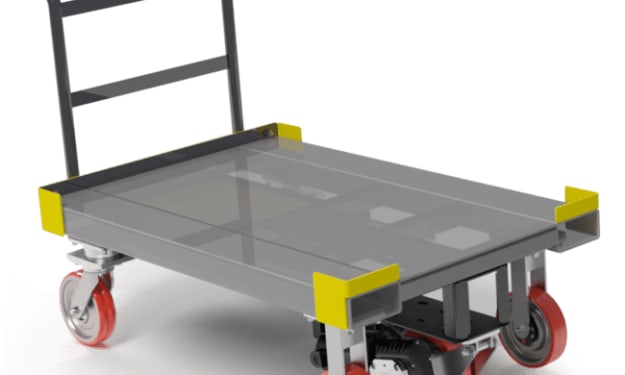
Top Quality Motorized Carts for Heavy-Duty Industrial Use
As a writer and researcher specializing in industrial mobility solutions, I have explored various technologies that enhance efficiency and safety in material handling. Among these, the motorized cart has revolutionized the way industries transport heavy loads with ease and precision. These advanced carts provide automation, reducing manual labor while ensuring a smooth, controlled movement of goods in warehouses, factories, and other industrial settings. In this article, I will review the benefits, applications, and key considerations when selecting a Industrial motorized cart for heavy-duty industrial use.
By Donald Carlisleabout a year ago in Serve
Putinsnappy” Dead or Alive?
1. Who Is “Putinsnappy”? First, it’s important to explain the name “Putinsnappy.” Searches show that @MrPutinSnappy is a social media or parody account name (likely on platforms like X/Twitter) that presents commentary about world politics and Russia. It is not an official account of the Russian president, nor does it have any authoritative standing. �
By shaoor afridi7 days ago in Serve
The Impact of World War I: Global Changes and Costs
World War I, often called the Great War, was a conflict that reshaped the political, social, and economic landscape of the 20th century. Beginning in 1914 with the assassination of Archduke Franz Ferdinand of Austria-Hungary, the war quickly escalated due to complex alliances, rising nationalism, and militarism in Europe. Nations including Germany, Austria-Hungary, Britain, France, Russia, and eventually the United States were drawn into a conflict that would last four brutal years and leave an indelible mark on the world.
By shaoor afridi3 days ago in Serve



Comments
There are no comments for this story
Be the first to respond and start the conversation.