
When Connection Hurts: The Quiet Paradox of Social Media and Loneliness
In a world where we’re more connected than ever, why do so many people still feel alone?

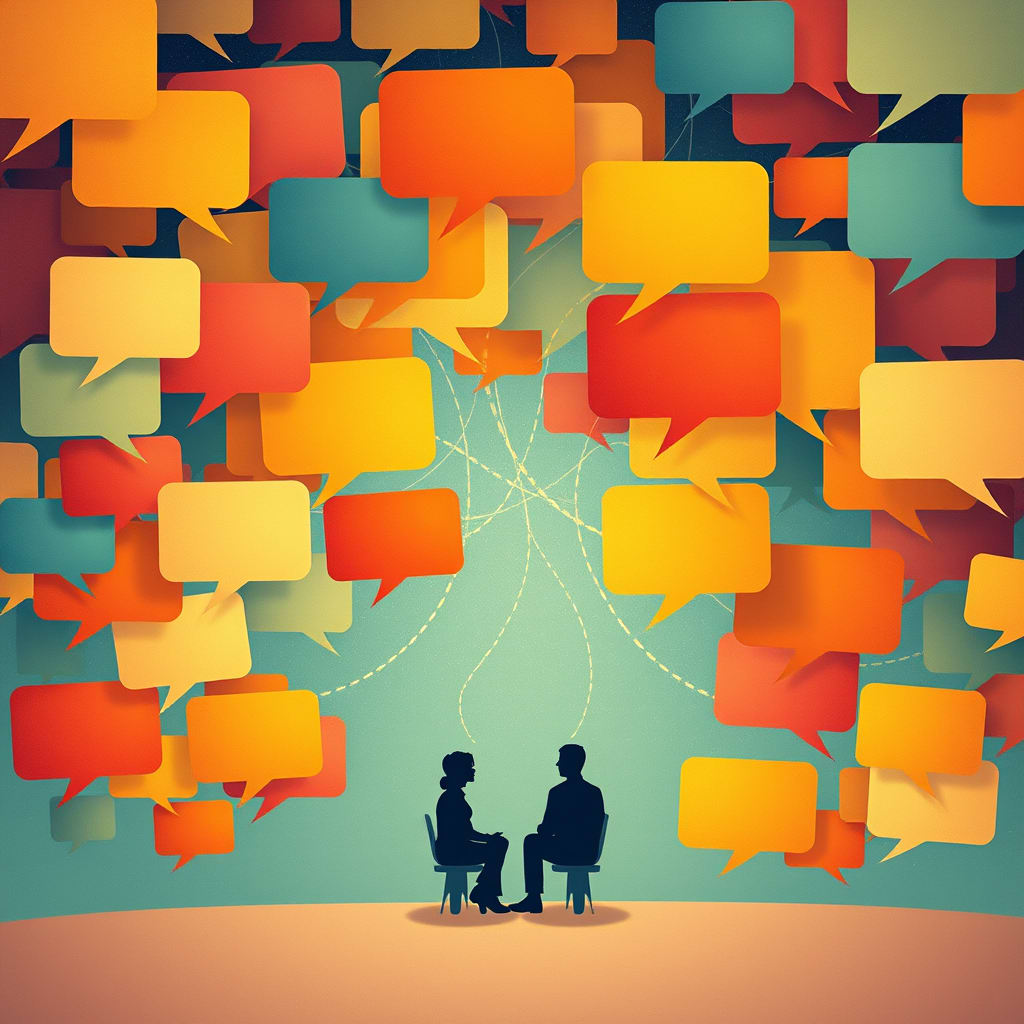
There’s a strange thing happening in the way we connect today. We’re more “linked” than ever before hundreds of friends online, infinite posts to scroll through, and new digital communities forming every day.
Yet many people wake up feeling something that wasn’t supposed to exist in a hyper-connected world: loneliness.
This isn’t just a feeling people casually throw around. It’s something researchers, therapists, and mental-health professionals are seeing more and more. The vast majority of people now use social platforms daily, but the quality of those connections often matters more than the quantity. In other words, being connected doesn’t necessarily mean feeling understood, supported, or emotionally fulfilled.
In many ways, we’ve built a world where it’s easy to be seen, but hard to be known.
Why social media and loneliness can grow at the same time
Studies continue to find that heavy use of social media, whether scrolling or posting, is linked with feelings of loneliness and mental strain. That may sound counterintuitive, but it makes sense when you look closer at how online interaction works.
Digital communication strips away a lot of what makes human connection feel real. There’s no tone of voice, no body language, no subtle cues that tell us someone truly hears us. Even when we’re talking to someone online, it can feel strangely hollow compared to sitting across from another person and sharing a moment.
Part of the challenge lies in how social platforms are designed. Passive behaviors, like endlessly scrolling without engaging, are especially associated with rising feelings of isolation. You’re watching other people live their lives, but you’re not actually part of them.
But even active use, posting, commenting, messaging, doesn’t always protect against loneliness. A reply might come, but it can still feel shallow. A post might get attention, but not connection. The interaction is there, yet something deeper is missing.
What this suggests is a simple but powerful truth: connection isn’t just about interaction. It’s about meaning.
The search for belonging isn’t new, but it’s more complicated now
Loneliness isn’t limited to one generation or one type of person. Young adults navigating identity, people starting new careers, parents, retirees, people living far from home, all of them can experience it. Feeling alone is a deeply human experience.
What makes today different is how often loneliness exists alongside constant digital activity. People can be in group chats, on social platforms, and in online communities while still feeling emotionally disconnected.
Research has shown that loneliness, distinct from simply being physically alone, has real effects on mental health, including anxiety, depression, and increased stress. Feeling disconnected doesn’t just hurt emotionally; it affects how people think, sleep, and function day-to-day.
And yet, social media is not purely negative. For some people, online spaces provide essential emotional support, community, and connection they might not otherwise have, especially for those who are isolated, far from family, or part of marginalized groups.
So the issue isn’t technology itself. The issue is how we use it and what we expect it to give us.
Why meaningful connection still matters most
The difference between a conversation that reduces loneliness and one that fuels it usually comes down to depth.
Real connection, the kind that makes people feel less alone, happens when we feel:
- seen without judgment
- heard without competition
- understood without comparison
Those moments are powerful because they allow people to be honest without fear. They create space for vulnerability, curiosity, and emotional safety.
Online spaces can sometimes create this, but they don’t guarantee it. When platforms prioritize speed, visibility, and performance, deeper connection becomes harder to find.
Researchers increasingly point to the same idea: interactions that feel like genuine social support, rather than entertainment or distraction, are what actually build emotional resilience and well-being.
Reframing our digital relationship
So what can we take from all of this?
First, it’s okay to rethink how and why we use social media. Using it to stay in touch with people we already care about is very different from using it as a substitute for real connection.
Second, the presence of connection is not the same as the quality of connection. A flood of likes, comments, or messages doesn’t automatically translate into feeling supported or understood. The emotional value of connection comes from how it feels - not how often it happens.
Finally, the way humans experience connection hasn’t changed just because technology has. We still need empathy, attention, and emotional presence. Real connection still grows from mutual understanding, whether it happens online or offline.
And that may be the most important thing to remember in a world that’s never been more connected, and yet so often feels lonely.
About the Creator
Socialode
We are a mobile app team working for the past year on creating a platform that allows users to connect with people while protecting their privacy. Our goal is to fix the world of social media.
www.socialode.com



Comments
There are no comments for this story
Be the first to respond and start the conversation.