
What is Social Anxiety Disorder?
Signs, Symptoms and Treatment


Social anxiety disorder is an anxiety disorder in which the person has a persistent fear or worry during social situations. This can make it extremely difficult for the person with the disorder to participate in normal social events and keep friendships and relationships. Those who do not know and understand the nature of the disorder may assume that their friend is just bailing on them when they actually have anxiety or worry about going out and socializing with others.
Triggers for social anxiety may be different depending on the person; each person may have a specific worry about specific social situations that prevents them from wanting to participate in those activities. For instance, some people are fearful of eating in front of others. Therefore, they might avoid going out to restaurants with friends or any social events that may involve food. Then, the goal of treatment for persons with social anxiety disorder should be to figure out what the underlying issues or causes for this pattern of behavior may be.

Social Anxiety is a Normal Part of Life:
Social anxiety is actually a very common problem that most people will experience at some point in their lives. Especially in adolescence when our brains are still developing, we may feel self-conscious in certain situations, or worried about certain social events and gatherings. These feelings are a normal and a natural part of growing up. Some adults have anxiety about certain social events or places. For instance, there are many people who just do not like being in large crowds and social events. They tend to only participate in those types of activities when absolutely necessary. However, these examples do not mean that the person has a social anxiety disorder.
In order to be diagnosed with social anxiety disorder, the person must be dealing with persistent issues that interfere with their normal daily lives. Persons with social anxiety disorder will either outright avoid situations that trigger their anxiety, or they will experience extreme anxiety and panic when they are in certain social situations. They tend to live a life that is concentrated on avoiding these situations, so their entire life is, in a way, controlled by this unhealthy anxiety that they have. This can be very difficult for a person just trying to lead a regular life.
The continuance of anxiety and panic when in social situations, as well as the avoidance of many activities out of fear and anxiety is what distinguishes social anxiety disorder from normal social anxiety. When anxiety persistently interferes with your ability to function in several areas of your life such as work, school, family, and personal relationships, the issue at hand may be a disorder rather than just a singular instance of social anxiety.

Underlying Causes:
There may be a slight risk genetically for persons to develop social anxiety, however, most researchers tend to agree that social anxiety is derived from stressful environments and situations as well as dysregulated biological functioning in the brain. Additionally, persons with social anxiety disorder may not have the proper balance of chemicals in the brain such as adrenaline, which initiates our “fight or flight” response, and GABA, which controls our fears by calming. Upbringing may also play an important role in the underlying causes of social anxiety disorder, as adolescents and children that observe traumatic events or stressful situations in childhood may be more likely to develop social anxiety disorder.

Symptoms:
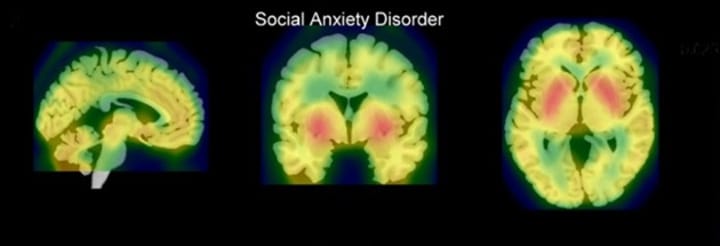
Typical symptoms of social anxiety disorder include shaking, sweating, rapid heart rate, feeling tenseness in the body, and avoidance of certain people or places that will trigger their social anxiety. There may also be some specific symptoms that are totally unique to the individual and the social situations that give them anxiety. Individuals with social anxiety disorder may feel self-conscious and believe that everyone around them is judging them, even if they are not. Negative thought patterns such as these are often a very characteristic symptom of social anxiety disorder. For the individual experiencing it, it might be like a negative voice in their head that is constantly criticizing them and their behaviors in a social situation. This internal dialogue can cause several symptoms anxiety in social situations that may make it even more difficult to manage emotions and behaviors in these situations. That's why it is very important for persons with social anxiety disorder to get help; they should be able to live the fulfillings lives they want, to, but often they feel very lost and trapped. The purpose of treatment then, is to inspire confidence in the individual to help them break their patterns of anxiety and understand that everything is okay. This can be a very difficult and complex treatment for many.
Treatments:
Treatment for social anxiety disorder involves dual treatment with medication and therapy. Medications that psychiatrists will typically prescribe for persons with social anxiety disorder include antidepressants, beta-blockers, and benzodiazepines. Antidepressants are commonly used long term to regulate serotonin and/or norepinephrine, two chemicals involved in the part of the brain responsible for fear and anxiety. Antidepressants work to ease symptoms over time and hopefully prevent future episodes of social anxiety. Beta-blockers and benzodiazepines are short-term medications that are used on an as-needed basis. Typically, they might be used in situations where the person may be going to a social event that they know may trigger them and make them extremely anxious and may even cause a panic attack. These medicines can help them maintain calm and be better able to handle their symptoms in those types of situations.
Therapy for social anxiety disorder is usually CBT, ACT, or a combination of both of these types of therapies. CBT, or cognitive behavioral therapy, helps persons with the disorder by helping them to identify what triggers their social anxiety and come up with different strategies to react differently to these stressful situations. Analyzing the negative thought patterns that may be induced during an episode of social anxiety can help the person recognize and understand how to cope with the symptoms of the disorder.

ACT, or acceptance and commitment therapy, has been shown to be helpful in persons with social anxiety disorder. ACT helps people with social anxiety disorder by getting them to focus on goals and mindfulness. Small goals and stepping stones can help persons with social anxiety disorder slowly ease themselves into social situations, learning to become more comfortable with the situation and reducing overall anxiety. Supporting friends in these social situations could also be a very important step, and the therapist will work with the individual and their family and friends to come up with something that will help ensure the person with social anxiety disorder has plenty of support and encouragement along the way.
Social anxiety disorder is a complex anxiety disorder that most often is very specific to the person. Different people may have different anxieties and symptoms when it comes to social situations. Therefore, it is imperative that these issues be addressed in therapy in order to help the person overcome their worries so that they can learn to adjust to their social environments and begin to live their lives without the fears that have plagued them for so long. If you or someone you know may be suffering from social anxiety disorder, reach out to a trusted health professional to seek more information about this condition.
(Disclaimer: This content is accurate and true to the best of my knowledge. I am not a qualified health professional.)
About the Creator
Slgtlyscatt3red
Slightly scattered. Just a woman with autism and ADHD that loves to write poetry, create art, and sing.
Keep reading
More stories from Slgtlyscatt3red and writers in Psyche and other communities.
What is "Generalized Anxiety Disorder"?
Anxiety is a typical response to stressors, and everyone experiences stress in one way or another in their normal lives. However, many people struggle with anxiety disorders every single day and find it difficult to function in their lives and do basic things because of it. GAD is an anxiety disorder commonly associated with intense fear and worry about everyday events and situations. A person with GAD may feel overly concerned and worried about things for no apparent reasons. Persons with generalized anxiety disorder struggle to function in many areas of their lives because of their anxiety. The anxiety becomes so intense that it takes over their everyday life, causing them to have trouble at school, work, home, and even personal relationships.
By Slgtlyscatt3red11 months ago in Psyche


Comments (1)
👌👌