
What does it actually feel like to get shot?
By Ernest Nzola
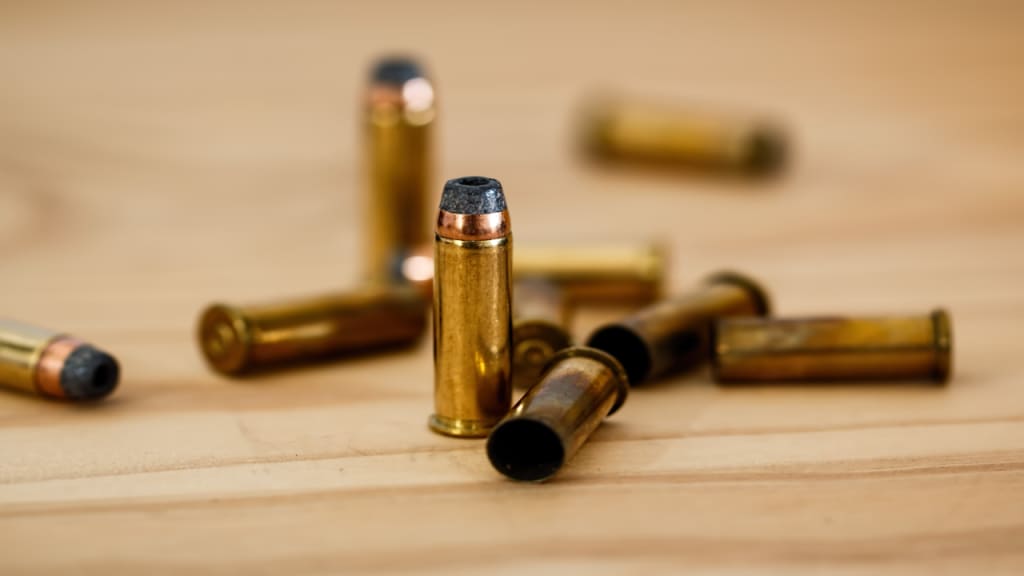
In the world of movies and television, we've become accustomed to dramatic portrayals of gunshot wounds. However, do these depictions align with the actual experiences of those who have survived such incidents? The grim statistics from the Centers for Disease Control and Prevention (CDC) in 2017 reveal that approximately 40,000 people lost their lives due to gun-related incidents in the United States alone. Yet, amidst these tragic numbers, there exists a resilient group of survivors with stories to tell. What does it truly feel like to be shot, and how accurate are the on-screen renditions?
The Unseen Realities
Surviving a gunshot is a harrowing experience, with each survivor having a unique tale to share. Despite the diversity of these stories, certain commonalities emerge when survivors recount their encounters. It is essential to acknowledge that individuals vary in their pain tolerance, adding a layer of complexity to the sensations associated with gunshot wounds. Factors such as the location of the bullet wound, the size of the bullet, and the individual's physiological response play pivotal roles in shaping the narrative.
The Initial Penetration
One recurring theme in the narratives of gunshot survivors is the recollection of the initial penetration of the bullet. Strikingly, many survivors describe an absence of immediate pain during this critical moment. One might expect a searing hot piece of metal tearing through skin, muscle, and nerves to be excruciating. However, contrary to cinematic portrayals, survivors often report a delayed awareness of their injury.
The Surprising Lack of Immediate Pain
In a paradoxical twist, those who have survived gunshot wounds commonly express surprise at not feeling immediate pain. The traumatic experience of a bullet piercing through the body somehow eludes instant discomfort. It is not until the sight of blood becomes evident that many survivors realize the severity of their situation. This revelation challenges preconceived notions about the instantaneous and intense pain associated with gunshot wounds, as perpetuated by popular media.
Bullet Size Matters: From Pressure to Burning Sensation
The size of the bullet plays a crucial role in the aftermath. Larger bullets create more significant holes and inflict greater pain, while smaller calibers may cause less immediate discomfort. Survivors describe feeling pressure and numbness initially, followed by a burning sensation as the shock wears off. The intensity of this burning varies, with analogies ranging from a never-ending bee sting to the searing heat of an iron poker.
Long Road to Recovery: Physical and Psychological Struggles
Many gunshot wounds take months to heal, subjecting survivors to prolonged pain. Yet, for most, the physical pain pales in comparison to the enduring psychological trauma. Post-Traumatic Stress Disorder (PTSD) becomes a companion for many survivors, infiltrating their daily lives with fear and terror, extending beyond mere fear of guns or loud noises.
Whether grappling with a burning sensation, enduring physical pain, or combating psychological trauma, surviving a gunshot is a life-altering experience. The journey to recovery is complex and varies from person to person, shaped by the type of bullet, entry point, and individual resilience. For many survivors, the impact of being shot remains a lifelong struggle, underscoring the profound and lasting effects of gun-related violence on the human psyche.
Conclusion
As we delve into the accounts of gunshot survivors, it becomes evident that reality often diverges from the sensationalized depictions prevalent in movies and television. The delayed recognition of pain, coupled with individual variability, challenges our assumptions about the aftermath of gunshot wounds. By exploring these narratives, we gain a deeper understanding of the resilience and complexity inherent in the human experience of surviving a gunshot.
About the Creator
Keep reading
More stories from writers in Psyche and other communities.
Society Often Teaches Us to Suppress Our Sad Feelings, Branding Them as Negative.
Allow yourself the time to feel, process, and let go. What a journey we’ve traveled together. You can relate to that pain that appears out of nowhere and wants to linger in our minds. Once fear moves in, it takes root—spreading doubt, loneliness, and confusion It’s that kind of pain that overtakes your mental health, gradually making a home within you. Your thoughts can create a space filled with fear, a feeling that we often cling to because it’s the one our minds use against us—leading to a fierce battle between your thoughts and your feelings. It’s a struggle no one wants to lose, yet losing yourself feels like an ever-present threat. Isn’t that a trick life plays on us?
By Johana Torres26 days ago in Psyche
From the Quiet Weight to a Wider Life
From the Quiet Weight to a Wider Life I am writing this as myself, and I am allowing it to be real. For a long time, I believed that depression had a single, dramatic shape: tears in the dark, a visible collapse, a loud cry for help. What I learned instead is that mine was quieter. It arrived without ceremony and stayed without permission. It blended into my routines so well that I didn’t notice when living became something I was merely maintaining rather than experiencing.
By Ahmed aldeabella6 days ago in Psyche




Comments
There are no comments for this story
Be the first to respond and start the conversation.