
What Are The 6 Types Of Anxiety Disorders?
Read to know what you might have
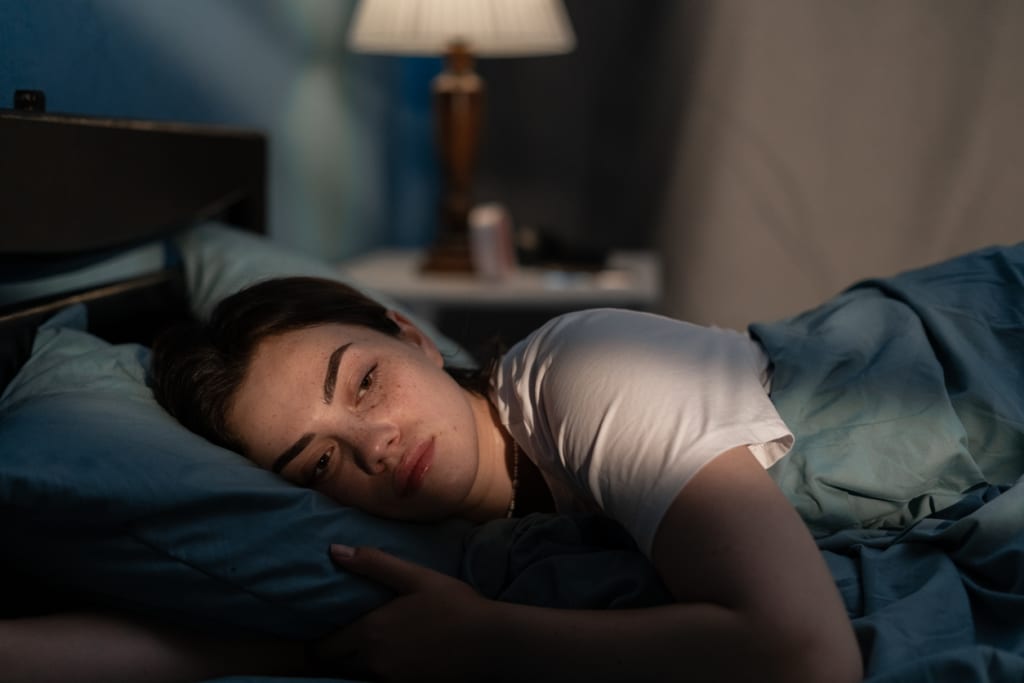
Have you ever experienced that feeling where your chest tightens and it is hard to think or breathe? That is your anxiety working. It is totally normal to feel this way from time to time. It could be before an important work meeting, talking to new people, or just going out by yourself.
A mild degree of anxiety is completely normal and it is usually short-lived. If it happens frequently enough though, it can interfere with your life and your schedule. There are different levels of anxiety disorders; some are mild and some are moderate to severe in nature. Often the more severe do present chronic anxiety symptoms, and if not treated, they can cause significant distress over time.
Understanding the differences will help you understand even more. So what are the 6 types of anxiety disorders that an anxiety specialist would diagnose you with? Some have chronic anxiety symptoms, and some may be short-lived in comparison. Consulting an anxiety specialist early helps in preventing long-term chronic anxiety symptoms from worsening.
Generalized Anxiety Disorder (GAD)
Individuals with generalized anxiety disorder spend excessive amounts of time worrying. They worry about anything, work, school, health, family, or worrying about the future. The worry does not go away, even if there is nothing to worry about. People with generalized anxiety disorder often show chronic anxiety symptoms that interfere with their ability to focus and rest.
Common signs include:
- Expecting the worst to happen
- Being tense or restless most of the time
- Disrupted sleep due to excessive thinking
- Experiencing headaches, stomach problems, or muscle pain due to worry
For example, the person may be thinking, "What if I lose my job?" when everything about their job is stable or, "What if something happens to my parents?" when everything is fine. This worry can be exhausting, and excessive worrying will affect their daily life. Consulting an anxiety specialist can help manage these chronic anxiety symptoms through therapy or medication. People who suffer from generalized anxiety disorder often require ongoing sessions with an anxiety specialist to control these chronic anxiety symptoms effectively.
Post-Traumatic Stress Disorder (PTSD)
PTSD is usually developed or diagnosed after someone experiences a traumatic, or severely stressful event (ex: accident, abuse, disaster, war). Even though it may have been a long time since they've experienced the event, just the memory may create intense emotional and/or physical responses, which in most cases are chronic anxiety symptoms that persist no matter how much time has passed.
Some common symptoms include:
- Flashbacks (having the sensation that it is happening to the person again)
- Nightmares or bad dreams
- Avoiding people, or places that remind them of the event
- Numbness, or an angry sensation, or constant anxiety in their body
For example, say you are someone who survived a car accident. Anytime you see a car (or you hear a car, or loud noise) you may start getting nervous about that same experience again. Seeking support from an anxiety specialist can help you process that trauma, and reduce your chronic anxiety symptoms. Many people with PTSD also experience signs similar to generalized anxiety disorder, which an anxiety specialist can help diagnose and treat.
Phobias
A phobia refers to an extreme fear of a certain thing, animal, or circumstance that is generally harmless. Examples of common phobias are acrophobia (fear of heights), aviophobia (fear of flying), arachnophobia (fear of spiders), and trypanophobia (fear of needles). People experience, although realizing their fear isn't rational, this doesn't seem to help them when it comes to those difficult situations. They may panic just to see or think about the feared object, showing chronic anxiety symptoms when exposed to it.
Some common signs include:
- Rather extreme fear when they see the object or situation
- Taking measures and baby steps to avoid it
- Sweating, trembling, crying, etc., because of their fear
For instance, someone with a phobia of dogs may go out of their way to cross the street to avoid a dog, even if it's small and friendly. An anxiety specialist can teach gradual exposure and coping techniques to manage these chronic anxiety symptoms. Phobias can also lead to generalized anxiety disorder if left untreated, so working with an anxiety specialist is important for reducing chronic anxiety symptoms.
Panic Disorder
Panic disorder is characterized by the recurrent episodes of panic attacks; these attacks are abrupt and overwhelming sensations of fear, quite frankly, terror. Panic attacks can happen suddenly and spontaneously, or in some cases, without an obvious trigger. During a panic attack, the affected individual may feel as though something horrible is occurring, even while all the time being perfectly safe. These episodes can cause symptoms of chronic anxiety because the magnitude of fear that comes after the panic attack is often the fear of another panic attack.
The common symptoms of a panic attack are:
- A racing heartbeat
- Numbness to extremities
- Shortness of breath
- Chest pain, dizziness, or nausea
- Fear of losing control or death
After experiencing two or three panic attacks, most individuals will become overly concerned about the potential for additional episodes. They will then likely start to avoid the locations where the episode occurred (e.g., shopping mall, bus, crowded public location, etc.). An anxiety specialist will then diagnose the experiencing individual with generalized anxiety disorder if the panic continues, and provide environmental anxiety therapy in order to decrease chronic anxiety symptoms. Regular visits to an anxiety specialist can also help prevent panic attacks from developing into generalized anxiety disorder by controlling chronic anxiety symptoms early.
Obsessive-Compulsive Disorder (OCD)
Obsessive-Compulsive Disorder entails having obsessions (unwanted fears) and compulsions (recurrent behaviors that they feel obligated to do). They exhibit these behaviors to relieve or lessen anxiety, but it makes the person's life revolve around the compulsions instead. These are strong examples of chronic anxiety symptoms that worsen without help from an anxiety specialist.
Some common examples of the disorder are:
- Excessive hand washing because of a fear of germs
- Checking doors or locks multiple times
- Counting objects or repeating words silently
- Arranging items in a specific manner
Even if the person is logically aware that what they’re thinking is irrational, they feel powerless to refrain from performing the behavior. For instance, someone might wash their hands 20 times a day because of a fear of being sick. With proper guidance from an anxiety specialist, these chronic anxiety symptoms can be reduced effectively. OCD can also exist alongside generalized anxiety disorder, which is why an anxiety specialist should be consulted for both diagnosis and treatment of chronic anxiety symptoms.
Social Anxiety Disorder
Social anxiety disorder should not be confused with shyness. It is the fear of being judged, embarrassed, or humiliated when around others. Those with social anxiety may avoid conversations with others, eating in front of someone, or speaking in front of a group of people. This avoidance and fear are forms of chronic anxiety symptoms that can worsen over time.
Common symptoms include:
- Fear of showing someone your performance (they are watching or judging you)
- Avoidance of social engagements or speaking in front of a crowd
- Blushing, sweating, or shaking in a social situation
- Extreme self-consciousness
For example, a student may avoid classes where they are expected to give presentations.
About the Creator
Keep reading
More stories from Ankita Dey and writers in Psyche and other communities.
What Is the Difference Between Social Anxiety and Introversion?
Many people confuse social anxiety with introversion. You might notice a person standing in the corner during a party, or eating alone, and think whether they are introverted by nature or suffering from social anxiety.
By Ankita Dey5 months ago in Psyche
Top tipple tricks
Been thinking a lot about drinking, lately. Not least because of a recent episode of over-indulgence and the inevitable after effects. Some readers may recall the earlier articles I wrote about beating the booze. Here I set out an experiment in techniques for cutting down on my alcohol intake. The experiment was successful, the techniques worked, and I have armed myself with an arsenal of weapons in the war against the demon drink. I have yet to fire the first round however. It's all a question of timing (perhaps procrastination).
By Raymond G. Taylor4 days ago in Psyche




Comments
There are no comments for this story
Be the first to respond and start the conversation.