
What are Effective Treatments for Bipolar Disorder?
What are Effective Treatments for Bipolar Disorder?
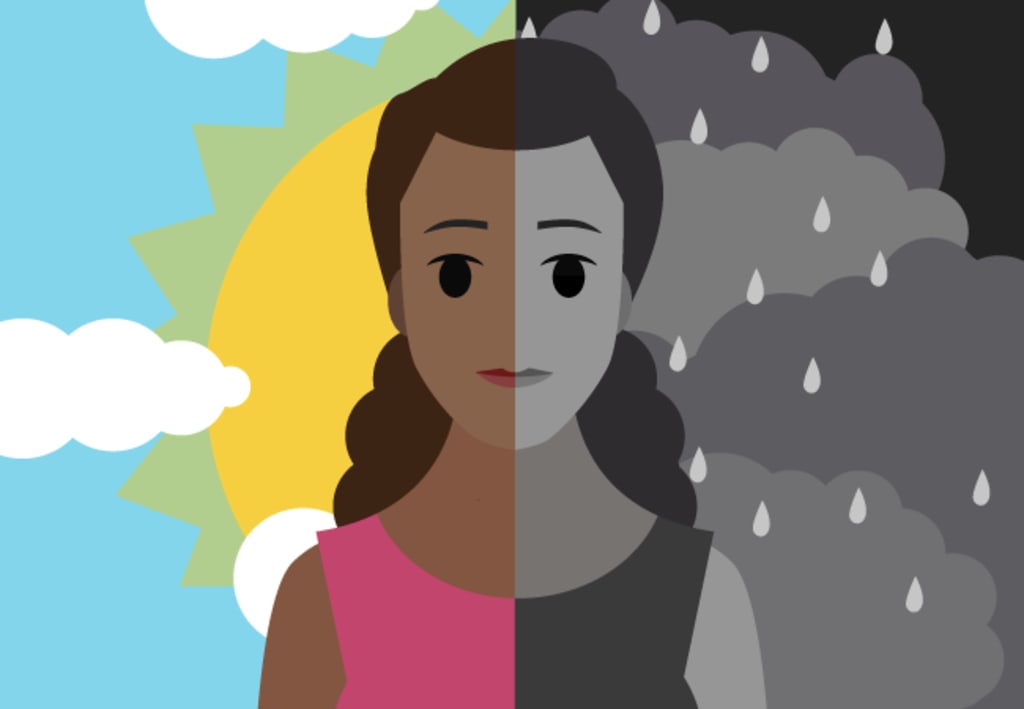
Bipolar disorder, previously known as manic depression, is a mental illness characterized by extreme mood swings, including episodes of mania and depression. These episodes can severely impact an individual's daily life and relationships. The disorder affects approximately 2.8% of adults in the United States, and effective treatments are critical for individuals struggling with bipolar disorder. This article will discuss the most effective treatments for bipolar disorder, including medication, therapy, and lifestyle changes.
Medications are the most commonly used treatment for bipolar disorder. Medications can stabilize mood swings, reduce the frequency and severity of episodes, and improve an individual's overall quality of life. Mood stabilizers, such as lithium and valproate, are often used to treat bipolar disorder. Lithium is the most well-known mood stabilizer and has been used to treat bipolar disorder since the 1970s. Studies have shown that lithium is effective in reducing the frequency and severity of manic and depressive episodes. Valproate is another mood stabilizer that has been shown to be effective in treating bipolar disorder, particularly in individuals with rapid-cycling bipolar disorder. Other medications used to treat bipolar disorder include antipsychotics, antidepressants, and benzodiazepines.
Antipsychotic medications are often used to treat manic episodes. These medications can help to reduce the severity of symptoms such as hallucinations and delusions. Antidepressants may also be used to treat depressive episodes, but caution must be taken when prescribing antidepressants to individuals with bipolar disorder, as they can trigger manic episodes. Benzodiazepines are also sometimes used to treat anxiety and insomnia associated with bipolar disorder.
While medications are effective in treating bipolar disorder, they are not a cure. Individuals with bipolar disorder may experience side effects from medications, and it may take several attempts to find the right medication or combination of medications that work best for an individual. Regular monitoring is necessary to ensure that medications are effective and not causing adverse effects.
Therapy is another effective treatment for bipolar disorder. Psychotherapy can help individuals with bipolar disorder understand their symptoms, develop coping strategies, and manage stress. Cognitive-behavioral therapy (CBT) is a type of therapy that focuses on identifying negative thought patterns and developing healthier ways of thinking. CBT can be effective in reducing symptoms of bipolar disorder and improving overall quality of life.
Interpersonal and social rhythm therapy (IPSRT) is another type of therapy that can be effective in treating bipolar disorder. IPSRT focuses on establishing and maintaining regular routines and social support systems. This therapy can help individuals with bipolar disorder manage stress and reduce the risk of relapse.
Family-focused therapy is another type of therapy that can be effective in treating bipolar disorder. This therapy involves the family members of an individual with bipolar disorder and focuses on improving communication and reducing stress within the family. Family-focused therapy can also help family members understand the symptoms of bipolar disorder and how to best support their loved one.
Lifestyle changes can also be effective in treating bipolar disorder. Regular exercise, a healthy diet, and adequate sleep are essential for overall physical and mental health. Exercise has been shown to improve mood and reduce symptoms of depression and anxiety. A healthy diet that includes whole grains, fruits, and vegetables can also improve overall mood and reduce symptoms of depression. Adequate sleep is also essential for individuals with bipolar disorder, as lack of sleep can trigger manic episodes.
Reducing stress is also important for individuals with bipolar disorder. Stress can trigger manic and depressive episodes and increase the risk of relapse. Relaxation techniques such as yoga, meditation, and deep breathing can help to reduce stress and improve overall well-being.
In conclusion, effective treatments for bipolar disorder include medication, therapy, and lifestyle changes. Medications such as mood stabilizers, antipsychotics, and antidepressants can stabilize mood swings and reduce the frequency and severity of episodes. However, regular monitoring is necessary to ensure that medications are effective and not causing adverse effects. Therapy, including cognitive-behavioral therapy, interpersonal and social rhythm therapy, and family-focused therapy, can help individuals with bipolar disorder understand their symptoms, develop coping strategies, and manage stress. Lifestyle changes such as regular exercise, a healthy diet, adequate sleep, and reducing stress can also improve overall well-being and reduce the risk of relapse.
About the Creator
Keep reading
More stories from Mental Health Experts Blog 1 and writers in Psyche and other communities.
The Role of Therapy in Managing Personality Disorders
Personality disorders are a group of mental health conditions that can cause significant distress and impairment in an individual's life. These disorders are characterized by rigid and unhealthy patterns of thinking, feeling, and behaving that deviate from the expectations of the individual's culture and cause problems in relationships, work, and other areas of life.
By Mental Health Experts Blog 13 years ago in Psyche
How Partial Hospitalization Treatment Works in Your Area
When someone is struggling with mental health or substance use challenges, finding the right level of care can feel overwhelming. Not everyone needs 24/7 inpatient treatment, but traditional outpatient therapy may not be enough. This is where Partial Hospitalization Treatment, commonly known as PHP, becomes an effective and balanced option.
By Jordan Blake7 days ago in Psyche



Comments
There are no comments for this story
Be the first to respond and start the conversation.