
Virtual Medical Assistants: The Future of Efficient Patient Care
Harnessing AI to Revolutionize Healthcare Delivery and Enhance Patient Experiences

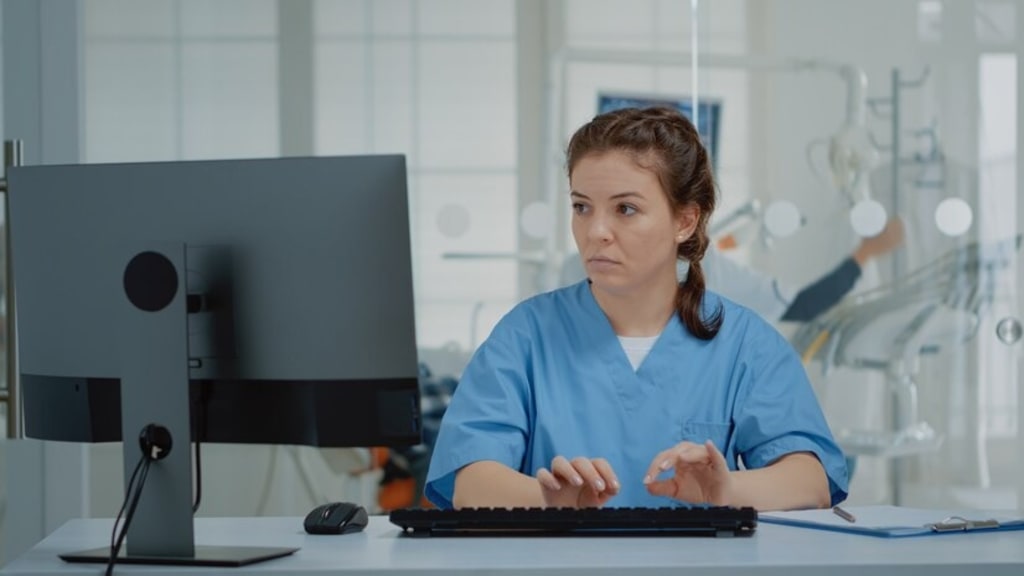
In the rapidly evolving landscape of healthcare, technology continues to play a pivotal role in enhancing patient care and streamlining medical practices. One of the most exciting developments in this field is the emergence of virtual medical assistants (VMAs). These digital helpers are transforming the way healthcare is delivered, making it more efficient, accessible, and patient-centered.
What are Virtual Medical Assistants?
Virtual medical assistants are AI-powered tools designed to support healthcare providers by performing a range of tasks, from administrative duties to direct patient interactions. Unlike traditional in-person assistants, VMAs operate remotely, using advanced algorithms and machine learning to provide real-time support and information.
The Role of Virtual Medical Assistants in Healthcare
Streamlining Administrative Tasks: One of the primary functions of VMAs is to handle time-consuming administrative tasks. This includes scheduling appointments, managing patient records, processing billing, and even handling insurance claims. By automating these processes, VMAs free up valuable time for healthcare providers, allowing them to focus more on patient care.
Enhancing Patient Interaction: VMAs can engage with patients directly through various communication channels, such as chatbots, emails, and phone calls. They can provide answers to common medical questions, offer health advice, and follow up on treatment plans. This continuous interaction ensures that patients feel supported and informed throughout their healthcare journey.
Improving Accuracy and Efficiency: Human error is an inevitable part of any manual process. VMAs significantly reduce the risk of errors in medical documentation, prescription management, and data entry. Their ability to process and analyze large volumes of data quickly leads to more accurate diagnoses and treatment plans, enhancing overall patient outcomes.
Remote Patient Monitoring: With the rise of telemedicine, VMAs are becoming essential in remote patient monitoring. They can track patient health metrics, alert healthcare providers to any significant changes, and even provide emergency interventions when necessary. This continuous monitoring helps in managing chronic conditions more effectively and reduces the need for frequent hospital visits.
Personalized Patient Care: VMAs can analyze patient data to offer personalized healthcare recommendations. By considering an individual's medical history, lifestyle, and preferences, these assistants can suggest tailored treatment plans and preventive measures. This level of personalization leads to better patient satisfaction and adherence to medical advice.
The Future of Virtual Medical Assistants
As technology advances, the capabilities of virtual medical assistants are expected to grow exponentially. Future VMAs may integrate more sophisticated AI, enabling them to perform complex diagnostic tasks, predict potential health issues before they arise, and provide even more personalized care.
Moreover, the adoption of VMAs can lead to a more equitable healthcare system. By making medical assistance accessible remotely, VMAs can bridge the gap for patients in underserved or rural areas, ensuring they receive the same quality of care as those in urban centers.
Conclusion
Virtual medical assistants are undoubtedly the future of efficient patient care. By automating administrative tasks, enhancing patient interaction, improving accuracy, and offering personalized care, they are revolutionizing the healthcare industry. As we continue to embrace this technology, we can look forward to a more streamlined, effective, and patient-centered approach to healthcare.
The integration of virtual medical assistants is not just a trend but a necessary evolution in the pursuit of better health outcomes for all.
About the Creator
MedHeave - medical billing services
MedHeave is a Massachusetts based Medical Billing Solution Provider, offering services all over the US. We have years of experience reducing medical staff’s administrative workload.
Keep reading
More stories from MedHeave - medical billing services and writers in Psyche and other communities.
How Outsourcing Podiatry Billing Can Boost Your Practice’s Revenue
Running a podiatry practice comes with its own set of challenges. From providing top-notch patient care to managing the day-to-day operations, your plate is likely already full. One of the most time-consuming and complex aspects of running a practice is billing. If not handled efficiently, it can lead to revenue loss, compliance issues, and endless headaches. That’s where outsourcing your podiatry billing can make a significant difference.
By MedHeave - medical billing servicesabout a year ago in Chapters
Why Are We Obsessed With Perfect Crimes?
Setting the stage Picture this: a master thief slips past alarms, outsmarts guards, and vanishes into the night with priceless treasures—never caught, never suspected. Or a cunning murderer leaves no trace, no motive, no evidence, baffling even the sharpest detectives. These scenarios are the stuff of novels and films, yet they resonate far beyond fiction.
By The Crime Canvas2 days ago in Psyche
Thoughts on Vocal and the way the world is
"Death cannot stop true love, only delay it." – Wesley in The Princess Bride. I decided to come back to Vocal on a very cold and dark night at the end of December. I had been, and still am, convalescing from a horrible staph infection that had gone misdiagnosed for months. This, paired with the increasing challenges of being healthy, making the best choices for my co-parented child, being a wife, and being a director at a new job, was a lot to manage.
By Jazzy 3 days ago in Confessions


Comments
There are no comments for this story
Be the first to respond and start the conversation.