
Unlocking the Secrets of Sleep
Exploring the Nature of Early Birds and Night Owls
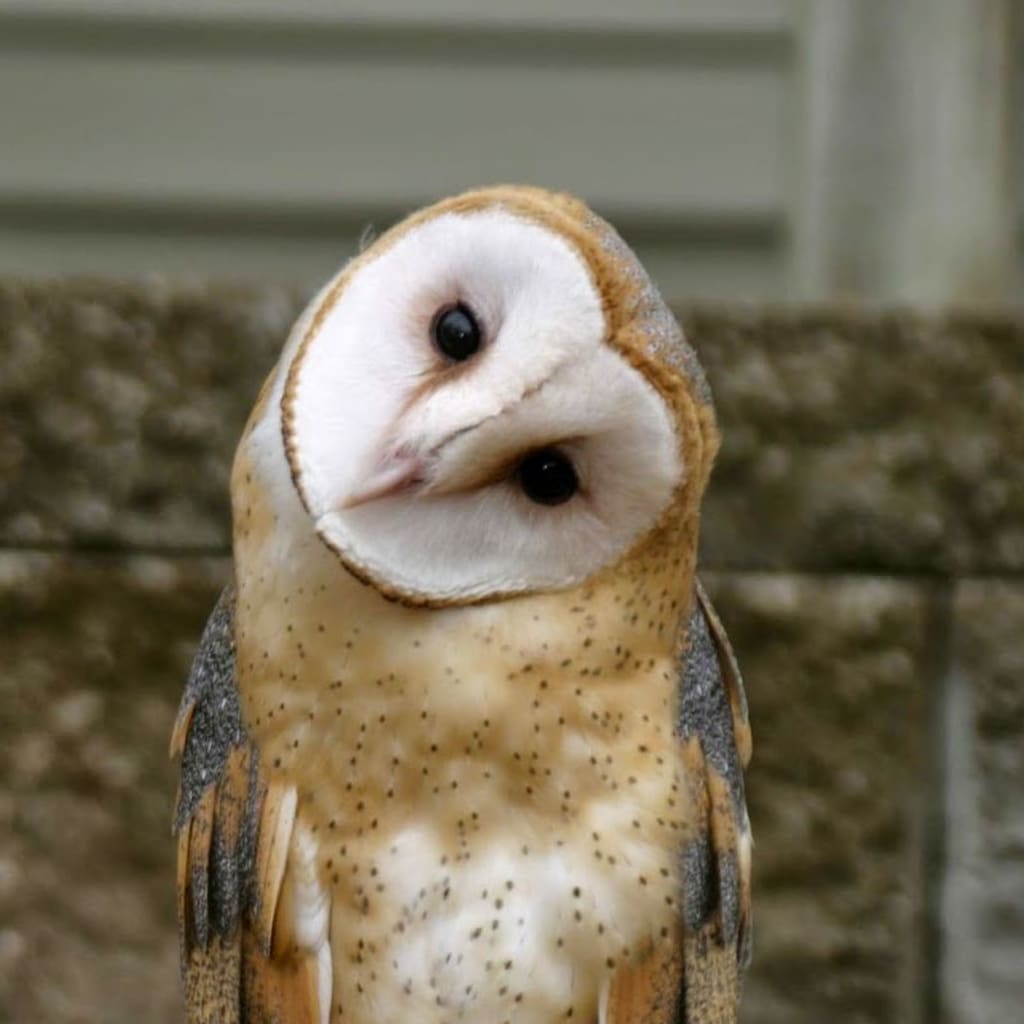
An observation was made that present a contrast between early risers and night owls in their natural environments. Early birds awaken with the sunrise, brimming with energy as they leap out of bed. As the day progresses, their vitality gradually wanes out until they eventually succumb to sleep around sunset. On the other hand, night owls arise long after the sun has made its appearance, stumbling sleepily from their beds. It takes about 30 minutes or a cup of coffee for them to fully awaken. However, their peak productivity doesn't arrive until later in the day, allowing them to comfortably extend their waking hours well past sunset, often retiring to bed in the early morning. This scenario may resonate with many, making it easy to find oneself in either role. But the question remains: are people inherently early birds or night owls, or can our natural sleep patterns be altered?
The reality is that most individuals fall somewhere in between these extremes, with their behavior influenced by the circadian system—a system anchored by a pair of nerve cell clusters located in the anterior hypothalamus. These cells respond to light entering through the eyes, regulating the body's internal clock, known as the circadian rhythm, which in turn governs the secretion of hormones and synchronizes the functioning of various organs. A significant part of this regulation involves managing the transitions between wakefulness and sleep. While the circadian system cannot independently dictate when you should sleep, it can anticipate your sleep needs based on your typical light exposure patterns throughout the day. For example, if you consistently go to bed around 10 pm, your circadian system will begin producing sleep-inducing melatonin approximately two hours beforehand, signaling to your body that it's time to sleep.
So, can we reshape this rhythm by adhering to a strict schedule? To some extent, yes. However, each person's body is unique, and even those with identical schedules may have different experiences due to variations in their circadian system's hormonal patterns. For instance, early birds often experience a surge of cortisol just before waking up, while night owls may have their cortisol peak roughly 30 minutes after rising. These hormonal distinctions influence how individuals perceive their circadian rhythms. While these factors can change over time, it's unlikely that you'll completely shift away from your body's inherent sleep preferences.
Nevertheless, you can develop habits that either support or disrupt your circadian rhythm. Consistent sleep patterns assist your body in accurately predicting when to release hormones, making it easier to adhere to your schedule. Conversely, research involving sleep-deprived college students has revealed that irregular sleep patterns can weaken the entire circadian system, compromising its ability to coordinate organ functions and potentially leading to health issues like metabolic disorders and weakened immune systems. Another critical aspect is light hygiene. Creating a stark contrast between bright daytime and dim nighttime lighting is essential for synchronizing your circadian rhythm, with natural sunlight being the most effective way to achieve this. Even on cloudy days, sunlight far surpasses standard indoor lighting in brightness. Therefore, if you're typically awake during the day, consider spending time outdoors as soon as possible to help your body learn when to be alert and active. Adhering to a sleep schedule that contradicts your body's natural inclinations can be challenging. Even if you successfully maintain it for months, a single night of disrupted sleep can reset your circadian system.
However, regardless of whether you identify as an early bird, night owl, or fall somewhere in between, it's important to remember that as long as you maintain consistency, there is no wrong time to wake up or go to sleep. What truly matters is ensuring you get adequate rest for the day ahead.
About the Creator
Keep reading
More stories from Debby Lunginus and writers in Psyche and other communities.
A Thousand Splendid Sun by Khaleed Hosseini:
Khaled Hosseini, acclaimed author of "The Kite Runner," delivers another literary masterpiece in "A Thousand Splendid Suns." This emotionally charged and profoundly moving novel takes readers on a heart-wrenching journey through the lives of two women in war-torn Afghanistan, offering a poignant exploration of love, resilience, and the enduring human spirit.
By Debby Lunginus2 years ago in BookClub
The 6 Hardest Life Truths You Already Know But Refuse to Face
Life has a strange way of teaching lessons we wish were not true. Deep down, most people already know some uncomfortable truths about life. Yet, instead of facing them directly, we distract ourselves with routines, entertainment, or false hopes. These truths are not meant to discourage you. In fact, accepting them can be incredibly freeing. When you stop denying reality, you gain clarity, resilience, and control over your life. Here are six of the hardest life truths most people already know—but often refuse to face.
By Shahid Zamanabout 17 hours ago in Psyche
REEEEEEEEE!
I'm on a low road right now. There are a literal million things to do and not one of them worth my time. I would rather sit in place and burn but the orbit takes me on its inevitable route 'round the center; and I a center in my own right, around which others orbit, and so on and so forth, ad infinitum, ad nauseum.
By C. Rommial Butler7 days ago in Poets



Comments
There are no comments for this story
Be the first to respond and start the conversation.