
Understanding Trauma and Its Impact on the Brain
Exploring the Effects of Trauma on Emotional Regulation, Memory, and Decision-Making, and the Path to Recovery

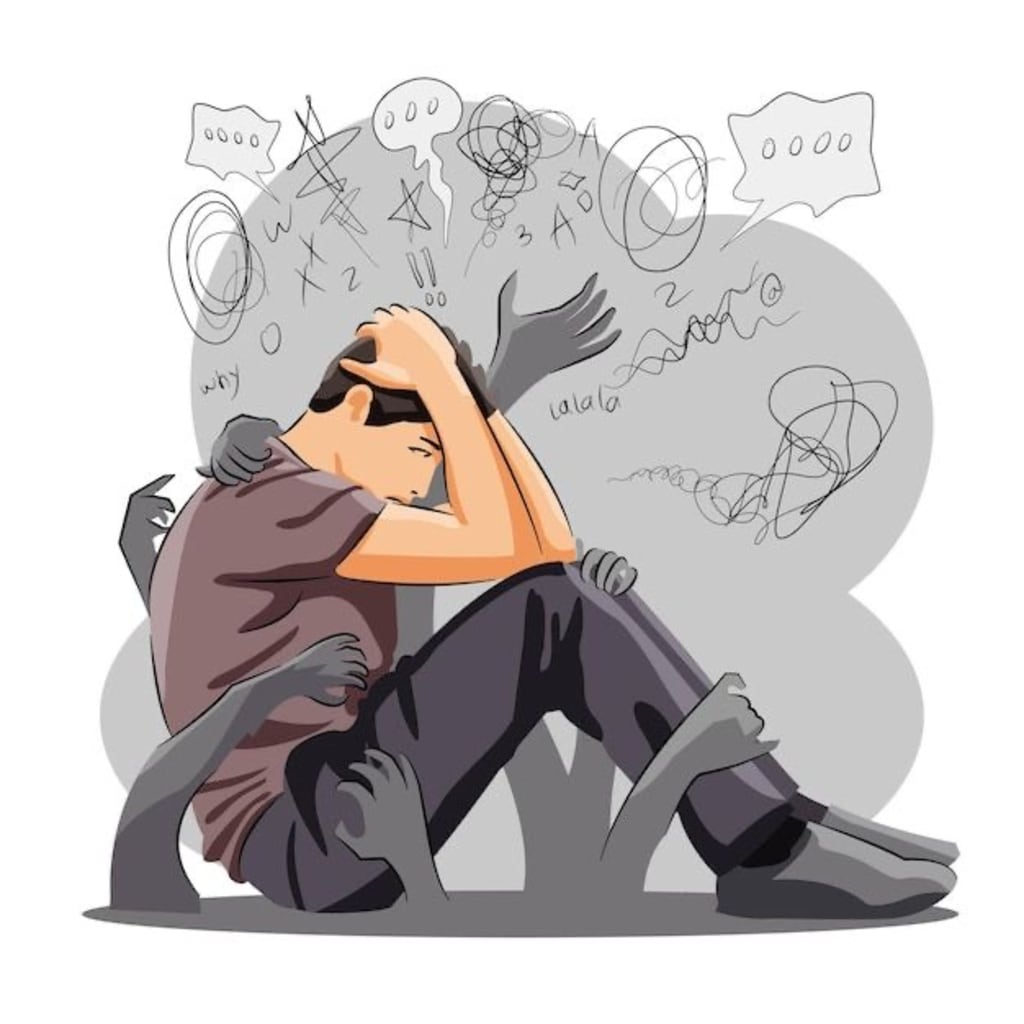
Trauma can significantly shake up our lives, often leaving behind lasting emotional scars. Unlike physical injuries that are visible, the mental effects of trauma can be less apparent, yet they can have profound implications for our mental health and well-being. This article delves into how trauma affects various parts of the brain, highlighting the implications for individuals who have experienced distressing events, whether from physical abuse, unstable family dynamics, or toxic environments.
The Amygdala: The Brain’s Alarm System
The amygdala, a small almond-shaped structure deep within the brain, plays a crucial role in regulating our emotional responses, including fear, anxiety, and sadness. When functioning properly, the amygdala acts as the brain’s alarm system, alerting us to threats in our environment. However, trauma can significantly disrupt this system.
In most cases of Post-Traumatic Stress Disorder (PTSD), the amygdala exhibits hyperactivity, leading to heightened states of anxiety and fear. Interestingly, a study published in the Social Neuroscience Journal in 2014 explored the responses of first-time mothers to the emotional expressions of their infants. The findings revealed that mothers with unresolved trauma showed less activation in their amygdalae compared to those without trauma. This reduced activation suggests a disengagement from their infants, potentially impacting maternal caregiving. While this does not imply that these mothers lack love for their children, it highlights how trauma can dull emotional responses, making it harder for individuals to connect with others’ distress.
The Hippocampus: Memory and Learning
The hippocampus, another vital brain structure, is integral to learning and memory formation. A well-functioning hippocampus allows individuals to acquire new knowledge, recall information for tests, and navigate complex environments. However, trauma can have severe effects on the hippocampus, as evidenced by a study conducted after a coal mine gas explosion in Shanxi Province, China, in 2006. Seven years later, researchers examined the surviving miners, many of whom developed PTSD.
In a study published by the Public Library of Science, researchers found that miners with PTSD had smaller hippocampal volumes compared to those without PTSD. A smaller hippocampus is associated with several mental health conditions, including Alzheimer’s disease, depression, and chronic stress. This research indicates that trauma can lead to structural changes in the brain, potentially linking mental disorders to traumatic experiences.
The Prefrontal Cortex: Decision-Making and Regulation
While the amygdala is the brain’s alarm system, the prefrontal cortex acts as the decision-making hub. It assesses the signals sent by the amygdala, helping individuals determine how to react to perceived threats. In a healthy system, the prefrontal cortex can help differentiate between genuine danger and false alarms. However, trauma can disrupt this delicate balance.
A 2006 paper by Dr. James Douglas Bremner revealed that patients with PTSD often show a combination of a smaller hippocampus, hyperactive amygdala, and decreased activity in the prefrontal cortex. This combination suggests that trauma can lead to irregular distress signals, where the brain may perceive threats even when no real danger exists. As a result, individuals with trauma might experience chronic stress while struggling to assess the actual risk in their environments.
Seeking Help: Addressing Trauma
Recognizing the profound impact of trauma on the brain is essential, but how can individuals begin to address these challenges? It’s crucial to seek help from trauma-focused healthcare professionals if you suspect that you are suffering from the effects of trauma. Effective therapies such as Prolonged Exposure Therapy, Cognitive Processing Therapy, and Trauma-Focused Cognitive Behavioral Therapy (TF-CBT) specifically target traumatic memories and thoughts, helping individuals work through their experiences.
Research supports the effectiveness of these therapies in assisting trauma patients, as they directly engage with the traumatic events rather than avoiding them. With the right treatment and resources, individuals can overcome the adverse effects of trauma and work towards leading happier, healthier lives.
Conclusion
Trauma is a serious mental health issue that should not be taken lightly. Understanding how it affects the brain—particularly the amygdala, hippocampus, and prefrontal cortex—can shed light on the complexities of emotional responses and coping mechanisms. If you or someone you know is struggling with trauma, don’t hesitate to seek help. With the right support, recovery is possible.
As we continue to explore the realms of mental health, remember that these discussions are more than just informational; they’re journeys into understanding our emotional landscapes. For those interested in learning more, check out our exclusive playlists and resources designed to educate, empower, and inspire. Together, we can break the stigma surrounding mental health and support one another in the healing process.
About the Creator
Mahsa
“Curious mind on a journey to uncover the extraordinary. I write about intriguing facts and science. Join me to explore the unknown details in everyday life, while also focusing on self-care and the art of understanding ourselves better.”
The Color We Learned to Fear
Black is a color that refuses to be neutral. It enters a room with history on its shoulders and silence in its wake. For some, it is elegant, powerful, and endlessly modern. For others, it is heavy—too heavy—with meanings they did not choose but inherited. The dislike of black is rarely about the color alone. It is about what black has been taught to represent, the emotions it awakens, and the stories people carry inside them.
By LUNA EDITH5 days ago in Psyche



Comments
There are no comments for this story
Be the first to respond and start the conversation.