
The Unseen Weight: Listening to a Generation in Pain
Global Youth Mental Health Crisis

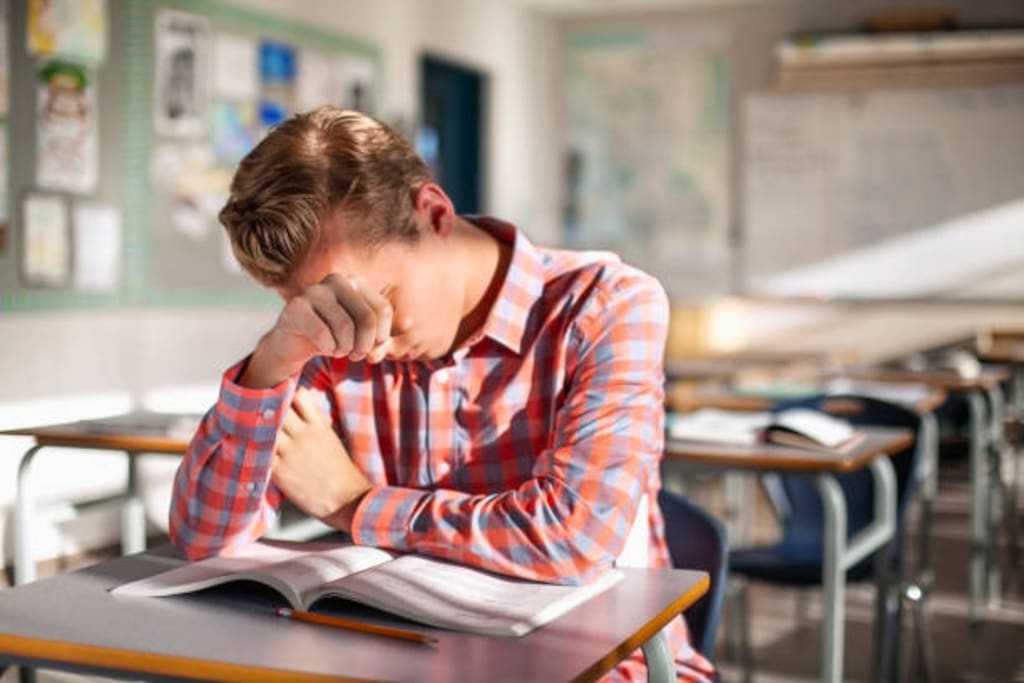
You feel it in schools: the empty chair in math class where a bright kid just... stopped coming. You hear it in the tired voice of a teacher saying,
“Half my class seems anxious or checked out.”
You see it in the eyes of parents whispering,
“We don’t know how to help her anymore.”
This isn’t just about statistics – though they are staggering. It’s about our kids, carrying a weight many of us never faced at their age. A perfect storm of isolation from pandemic lockdowns, the relentless pressure cooker of social media comparison, fears about the future (from climate change to economic instability), and academic stress has pushed a generation to the brink.
What Does This Pain Look Like?
Lena, 16:
"After lockdown, going back felt impossible. Everyone seemed to have it together online, but I just felt empty. Getting out of bed was like climbing a mountain."
Mateo, 14:
"It's not just homework. It's feeling like if I mess up one test, my whole future is ruined. And then seeing news about the planet... what's the point?"
Aisha’s Mom:
"We found the cuts on her arm. We had no idea. She seemed quiet, but we thought it was just being a teen."
They’re not "diagnoses" walking down the hall. They’re kids feeling profoundly lost, disconnected, and hopeless. The constant digital buzz isn’t just noise; it’s a 24/7 highlight reel they can’t escape, making their own struggles feel shameful and unique.
Why Aren't We Helping Enough?
The system is straining:
Waiting Lists: Kids in crisis are told help is months away.
Stigma: "Just toughen up" or "It's a phase" silences kids and isolates parents.
Missing the Signs: Withdrawal, anger, falling grades, or even perfectionism can be cries for help we overlook.
Not Enough Shoulders: Schools lack counselors; communities lack affordable, youth-friendly services.
This Isn't Hopeless. Here’s How We Lift the Weight Together:
- Talk Honestly & Listen Deeply:
Parents: Drop the "How was school?" Ask, "What felt heavy today?" Listen without fixing, just be there.
Schools: Create safe spaces without grades – clubs, art rooms, quiet corners. Train teachers to spot distress, not just disruptiveness.
All of Us: Normalize saying, "I’m not okay," and responding with, "Tell me more. I’m here."
- Build Connection, Not Just Screens:
Real Community: Support youth centers, sports leagues, music programs – places to belong offline.
Healthy Tech Habits: Model putting phones away. Talk about social media’s curated reality. Push for safer online spaces.
- Demand Better Support (Now!):
Fund Mental Health in Schools: Every kid deserves a trusted counselor they can access.
Break Down Barriers: Advocate for affordable, local therapy and crisis lines staffed by people who get teens.
Support Parents & Teachers: They need resources and understanding too – they’re on the frontlines.
- Offer Hope, Tangibly:
Share stories of recovery: "It gets better" means nothing. "Here’s how I got through it" means everything.
Highlight young activists tackling climate change or inequality – show them agency matters.
Celebrate small acts of courage: Asking for help is strength.
This crisis isn't a youth problem; it's our shared responsibility. It asks us: Are we willing to truly see the kids around us? To listen without judgment? To build a world where their mental well-being isn't an afterthought, but the foundation?
The weight is real. But together, we can help them shoulder it.
About the Creator
Mahdi H. Khan
B.Sc. in Audiology, Speech & Language Therapy
Reader insights
Outstanding
Excellent work. Looking forward to reading more!
Top insights
Expert insights and opinions
Arguments were carefully researched and presented
Eye opening
Niche topic & fresh perspectives
Easy to read and follow
Well-structured & engaging content
Excellent storytelling
Original narrative & well developed characters
Heartfelt and relatable
The story invoked strong personal emotions
Keep reading
More stories from Mahdi H. Khan and writers in Psyche and other communities.
The Spiritual Arsenal: Du’ā as Warfare : Part 4
The Spiritual Arsenal: Du’ā as Warfare Reviving Forgotten Power Neglecting spiritual resistance caused today’s paralysis. The Prophet ﷺ taught: "Du’ā is the weapon of the believer" (al-Ṭabarānī). During Isra’ wal-Mi’raj, he petitioned Allah against Mecca’s oppressors – not with missiles, but tears at Fajr. Revive this legacy:
By Mahdi H. Khan9 months ago in Journal
Top tipple tricks
Been thinking a lot about drinking, lately. Not least because of a recent episode of over-indulgence and the inevitable after effects. Some readers may recall the earlier articles I wrote about beating the booze. Here I set out an experiment in techniques for cutting down on my alcohol intake. The experiment was successful, the techniques worked, and I have armed myself with an arsenal of weapons in the war against the demon drink. I have yet to fire the first round however. It's all a question of timing (perhaps procrastination).
By Raymond G. Taylor6 days ago in Psyche
The 6 Hardest Life Truths You Already Know But Refuse to Face
Life has a strange way of teaching lessons we wish were not true. Deep down, most people already know some uncomfortable truths about life. Yet, instead of facing them directly, we distract ourselves with routines, entertainment, or false hopes. These truths are not meant to discourage you. In fact, accepting them can be incredibly freeing. When you stop denying reality, you gain clarity, resilience, and control over your life. Here are six of the hardest life truths most people already know—but often refuse to face.
By Shahid Zaman7 days ago in Psyche
The Forsyth House Fire
Since 1851, Forsyth House has stood on the corner of Union Street and Gordon Street in the heart of Glasgow. Its iconic, or was... because on Sunday 8th of March, 2026, a fire broke out in a small, seemingly un-named shop in the building and tore all that history down. As I write, the rubble is still unsettled and the street is still blocked off. Central Station is quiet on the upper level, and around 30 small businesses have quite literally gone up in smoke.
By S. A. Crawford2 days ago in The Swamp



Comments (2)
Keep it up.
Informative. Good job.