
The Unique Gift of Highly Sensitive Individuals
Transforming “Overthinking” into a Lucrative Strength

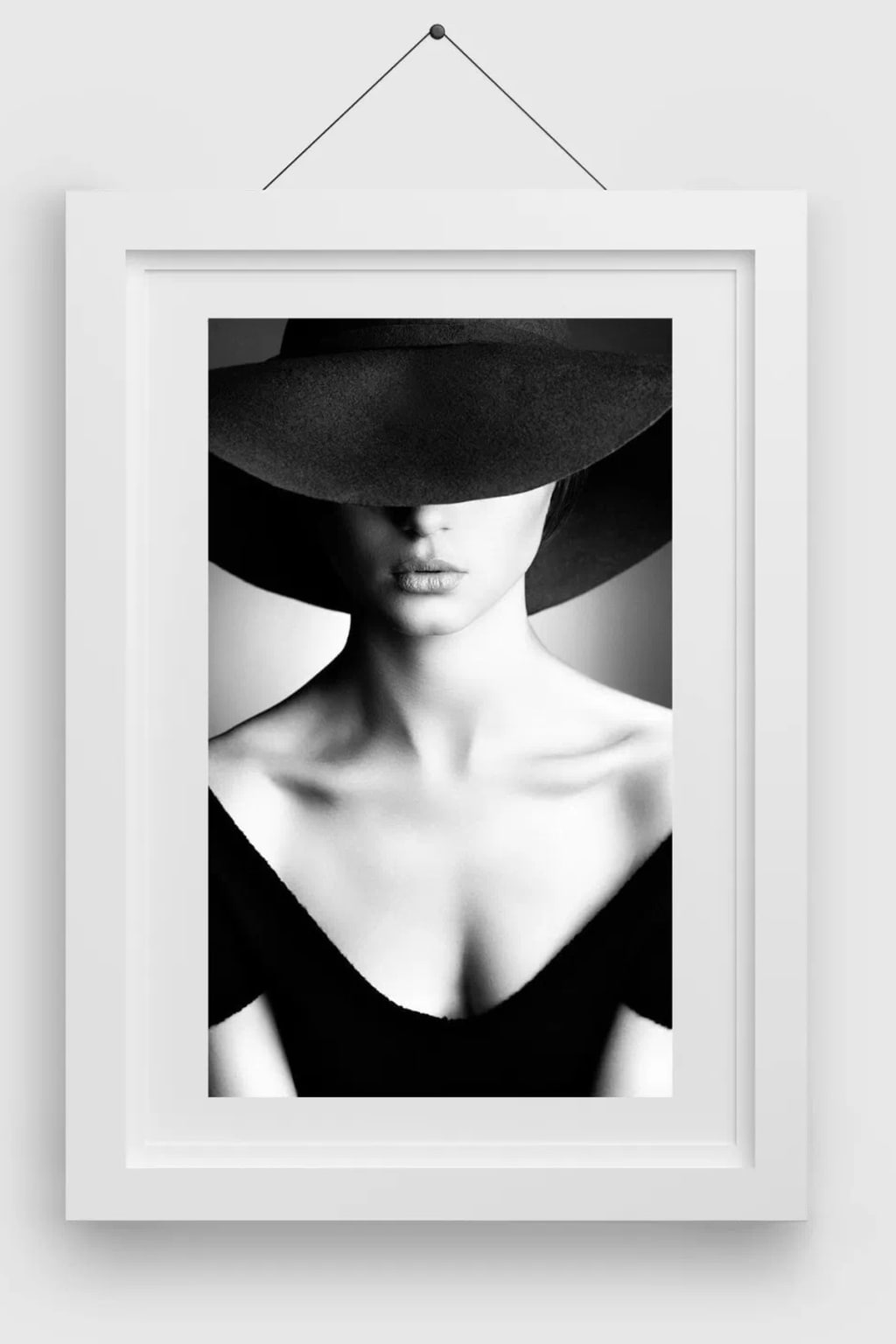
In social interactions, we often feel like travelers carrying a transparent crystal sphere—each gaze from others refracting light through its delicate surface.
This innate emotional sensitivity allows us to perceive the world’s nuances with striking clarity, yet it also leaves us vulnerable to a thousand subtle wounds.
However, when we learn to see this “gift” from a new perspective, the sharp edges that once bruised us can become the very facets that refract life’s brilliance.
⸻
1. Awakening Awareness: Breaking Free from the Mental Imprint of “Fragility as a Flaw”
The day I broke down in tears during a meeting, I had a revelation—those moments of vulnerability I had long despised were, in fact, my soul’s unheeded cries for help.
We grow up measuring ourselves against societal standards, internalizing the belief that sensitivity equates to weakness. Yet, in the grand narrative of human survival, it was the highly sensitive individuals who first detected threats, safeguarding their communities.
As Carl Jung once observed, “Sensitivity is not a disorder; it is an intuitive intelligence that remains largely misunderstood.” It is only when we stop condemning ourselves as “fragile” that we can recognize the profound empathy and perceptiveness embedded within us.
Reframing sensitivity as a strength is the first step toward self-liberation.
⸻
2. Establishing Boundaries: Constructing an Intelligent Emotional Shield
I once sketched a diagram in my notebook—a visualization of my “emotional energy field.” At its core stood my innermost self, encircled by adjustable layers of engagement with the world.
When a colleague’s frustration seeped through the office walls, I learned to ask myself: Is this emotion theirs or mine to carry?
Traditional Chinese Medicine teaches that “When one’s internal energy is strong, external disturbances cannot invade.” Similarly, constructing psychological boundaries is not about emotional detachment, but about transforming excessive empathy into intentional, selective care.
Ironically, it is through this restraint that we deepen the quality of our attention to the people and experiences that truly matter.
Sensitivity, when refined, enhances our ability to forge meaningful connections.
⸻
3. Harnessing Strength: Translating Perception into Creativity
During a strategy meeting, I noticed a fleeting microexpression on a client’s face—an unconscious hesitation. Adjusting our pitch accordingly, we ultimately secured the deal.
That moment of insight crystallized a profound truth: when directed purposefully, the very sensitivity that once overwhelmed us becomes a powerful tool for recognizing opportunities.
I began transmuting my overactive mind into creative output—sleepless nights of overanalysis turned into essays, while a client’s momentary pause transformed into actionable business intelligence. Just as Van Gogh translated his acute sensitivity into masterpieces of light and motion, we, too, must find a vessel to channel our gifts.
Sensitivity needs an outlet—creativity is its natural home.
⸻
4. The Art of Integration: Achieving Dynamic Self-Balance
Even now, I tear up while watching documentaries, yet I have also learned to wield that same depth of empathy as a tactical advantage in negotiations.
I have embraced what I call a “dual-core operating system”—allowing my sensitivity to shine in safe environments while activating a rational shield when necessary.
This ability to shift fluidly between receptivity and resilience embodies Jung’s vision of individuation: true wholeness is not about erasing our traits, but about allowing each to flourish in its rightful domain.
The essence of a fulfilling life is not in eliminating darkness, but in allowing light and shadow to dance in harmony.
⸻
Closing Thoughts:
Sensitivity is not a wound to be concealed—it is an unpolished prism. When we learn to adjust its angle, the edges that once wounded us become the facets through which life’s radiance is revealed.
Sensitivity was never a curse. When we learn to embrace it, what once burdened us becomes the very force that elevates us.
About the Creator
Dee
Been restricted by Vocal see me at https://medium.com/@di.peng.canberra
Dee is a Chinese dedicated psychologist with a deep passion for understanding human behavior and emotional well-being.
TUS NUA - ch 53
TUS NUA – ch 53 New Beginnings – Mia and Midnight (*)(*)(*) Finola knew Ali’s brother-in-law needed to put his mind at rest. She fed her arm through his and led him outside. “We’ll sit here. If you like, I can put a block around us so our conversation will be private.”
By Margaret Brennan6 days ago in Fiction


Comments
There are no comments for this story
Be the first to respond and start the conversation.