
The Silent Epidemic: How Social Media is Destroying Our Attention Span
How TikTok, Instagram, and Endless Scrolling Are Rewiring Our Brains
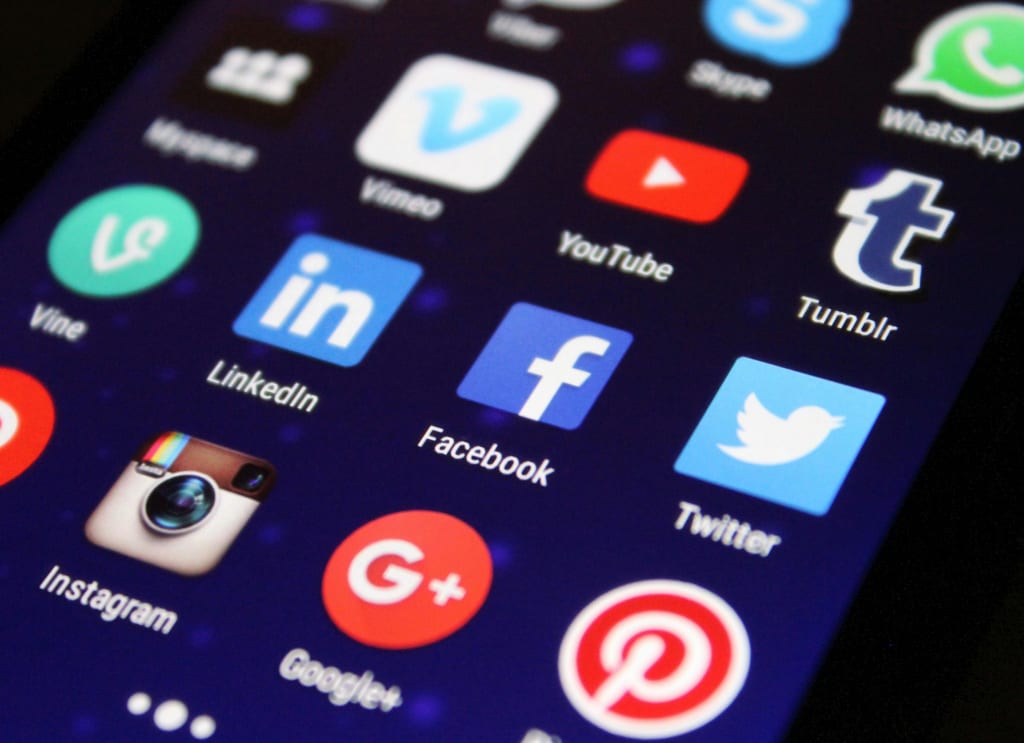
In today’s world, most people can barely sit through a 10-minute video without checking their phones. Scrolling endlessly through TikTok, Instagram Reels, and YouTube Shorts has rewired our brains, making it harder to focus on anything for long. While social media connects us, it also comes at a cost: our attention span is shrinking faster than ever.
The Science Behind Our Shortening Focus
Studies show that the average human attention span has dropped from 12 seconds in 2000 to just 8 seconds today—shorter than a goldfish’s. Platforms like TikTok and Instagram have optimized their algorithms to keep us hooked, constantly feeding us bite-sized dopamine hits that make longer forms of content seem boring.
🔹 How Social Media Hacks Your Brain
Instant Gratification: Every swipe brings a new video, a new thrill, making it hard to stay patient with slower content.
Endless Dopamine Hits: The constant novelty triggers feel-good chemicals, creating an addictive cycle.
Reduced Deep Focus: Longer articles, books, and even movies feel exhausting compared to rapid-fire content.
As a result, more people struggle with reading books, finishing tasks, or even holding conversations without distractions.
Increased Impulsivity: Social media addiction has been linked to difficulty in decision-making and self-control.
The Rise of ‘Scroll Culture’
The addiction to short-form content has led to the rise of what experts call Scroll Culture—the need to constantly refresh, consume, and move on without deep engagement. Instead of absorbing knowledge, most people now skim through content, forgetting it within minutes.
🔹 Signs That Social Media is Hurting Your Focus:
- You can’t sit through a full YouTube video without checking your phone.
- Reading books feels exhausting, even if you used to enjoy them.
- You find yourself reaching for your phone at the slightest hint of boredom.
- You struggle to focus on one thing for more than a few minutes.
- Feeling mentally drained after long scrolling sessions is becoming increasingly common.
Sound familiar? You’re not alone.
The Impact on Productivity & Mental Health ⚠️
The consequences of social media addiction go beyond just wasting time. It’s affecting our ability to work, study, and even maintain meaningful relationships.
🔹 Productivity Decline 📉
- Multitasking between apps reduces work efficiency by 40%.
- People now take 25 minutes to regain focus after being distracted.
- Constant notifications make deep work nearly impossible.
🔹 Mental Health Effects 😞
- Shortened attention spans increase stress and anxiety.
- The inability to focus can lead to feelings of frustration and overwhelm.
- Social comparison from curated online lives worsens self-esteem.
- The worst part? Most people don’t even realize how badly they’re affected.
Can We Reverse the Damage? 🛑
The good news: You can take back control of your attention span. Here’s how:
✅ Digital Detox: Try going a full day without social media and see how it feels.
✅ The 20-Minute Rule: Spend at least 20 minutes reading a book or watching long-form content daily.
✅ Turn Off Notifications: Reduce distractions by silencing non-essential alerts.
✅ Mindful Scrolling: Be intentional with what you consume instead of mindlessly swiping.
✅ Use ‘Focus Mode’ Apps: Tools like Freedom and Forest can block distractions while working.
By making small changes, you can retrain your brain to focus better and reclaim your ability to engage deeply with content and conversations.
The Future: Is This the New Normal? 🤔
With social media platforms getting shorter, faster, and more addictive, will attention spans continue to shrink? Or will people start seeking deeper, more meaningful engagement?
One thing is clear: if we don’t take control, our ability to focus will only get worse.
What do you think? Have you noticed a change in your attention span? Let’s discuss in the comments!
About the Creator
Keep reading
More stories from Abdullah Yousuf and writers in Psyche and other communities.
The Sound of Science: Exploring the Musical Side of Science
Science and music may seem like two very different things, but they are more connected than you might think. Both involve the exploration of patterns, structures, and relationships. Both are driven by curiosity and a desire to understand the world around us. And both can inspire us to think deeply and creatively about the big questions of life.
By Abdullah Yousuf3 years ago in Psyche
Top tipple tricks
Been thinking a lot about drinking, lately. Not least because of a recent episode of over-indulgence and the inevitable after effects. Some readers may recall the earlier articles I wrote about beating the booze. Here I set out an experiment in techniques for cutting down on my alcohol intake. The experiment was successful, the techniques worked, and I have armed myself with an arsenal of weapons in the war against the demon drink. I have yet to fire the first round however. It's all a question of timing (perhaps procrastination).
By Raymond G. Taylor6 days ago in Psyche
How to Spot People Who Will Betray Your Trust
Trust is one of the most valuable parts of any relationship. Whether it’s a friendship, workplace connection, or romantic relationship, trust creates safety and honesty between people. But unfortunately, not everyone deserves the trust we give them.
By Shahid Zamanabout 17 hours ago in Psyche



Comments
There are no comments for this story
Be the first to respond and start the conversation.