
The Role of Technology in Treating Adult ADHD
The Role of Technology in Treating Adult ADHD
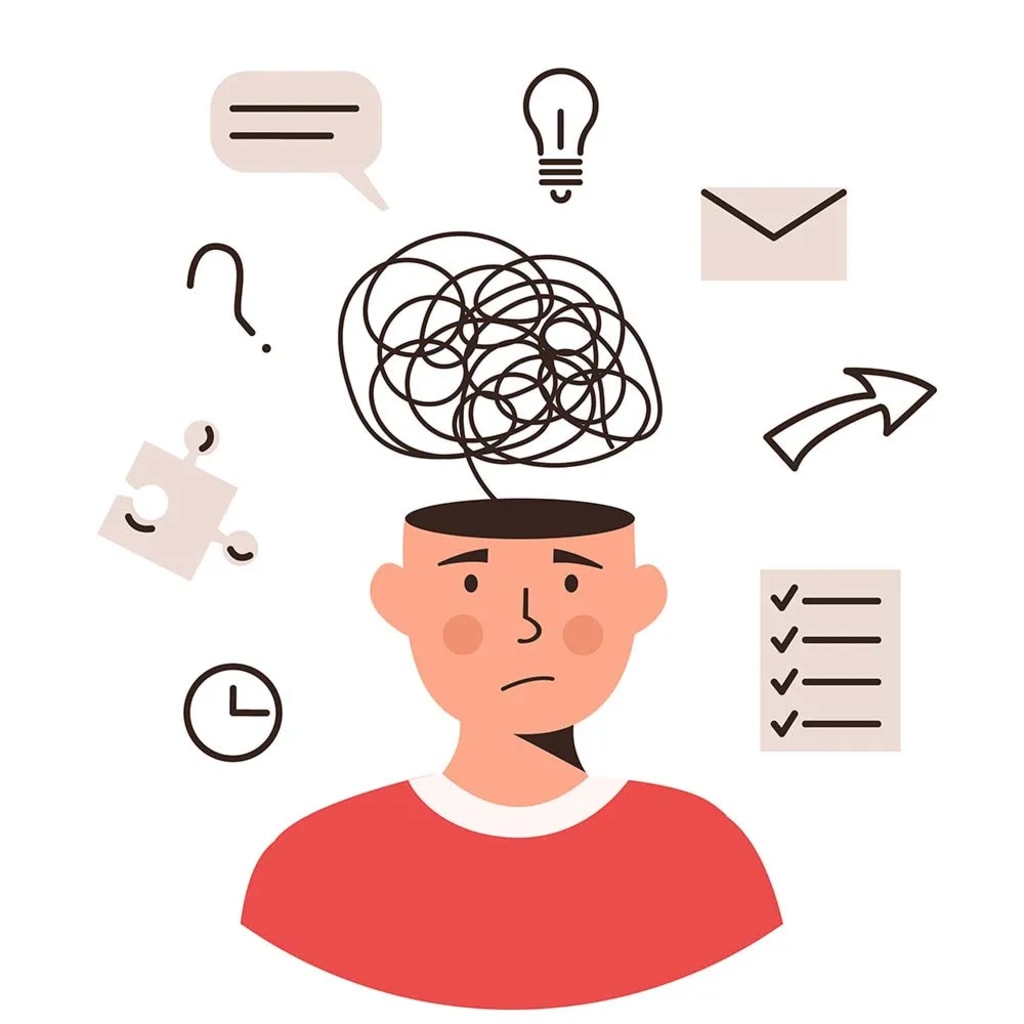
ADHD (Attention-Deficit/Hyperactivity Disorder) is not a condition reserved exclusively for children. Many adults also grapple with the challenges posed by ADHD, which can manifest as inattentiveness, impulsiveness, hyperactivity, and difficulties with time management, organization, and multitasking. While traditional therapeutic approaches and medications have been the mainstays of ADHD treatment for decades, technology is reshaping the way we understand and address the unique needs of adults with this disorder.
Digital Interventions: Apps and Online Platforms
One of the most accessible technological innovations for adult ADHD treatment is the array of apps and online platforms designed specifically for individuals with attention deficits. These tools often encompass various features to assist with time management, organization, and productivity. Examples include:
Task and Time Management Apps: These applications allow users to create to-do lists, set reminders, and break tasks into manageable steps. By gamifying the process or providing tangible rewards, they can also motivate individuals to stay on track.
Mindfulness and Meditation Apps: Given that stress and anxiety often exacerbate ADHD symptoms, mindfulness apps can be instrumental in teaching relaxation techniques, grounding exercises, and focus-enhancing meditations.
Cognitive Behavioral Therapy (CBT) Platforms: Some online platforms offer tailored CBT sessions for adults with ADHD. CBT, a proven technique for managing ADHD symptoms, can be more accessible when delivered digitally, allowing users to engage in therapy at their own pace and in the comfort of their homes.
Neurofeedback and Brain Training
Neurofeedback is a fascinating area where technology is making significant inroads in ADHD treatment. This approach involves monitoring an individual’s brainwave patterns in real-time and providing feedback to help train the brain to function more optimally.
For those with ADHD, specific brainwave patterns might be out of balance. For instance, they might display excess slow-wave activity (theta waves) and reduced fast-wave activity (beta waves). Through neurofeedback, individuals can receive visual or auditory cues when their brain deviates from the desired pattern. Over time, the brain can learn to regulate itself, leading to improved concentration and reduced impulsivity.
Wearable Devices
With the proliferation of wearable technology, ADHD treatment has seen a surge in devices that can assist adults in managing their symptoms. Vibrating alarms or reminders can help those who lose track of time or forget essential tasks. Additionally, some wearable devices can track stress levels, prompting the wearer to take breaks, practice deep breathing, or engage in other stress-reducing activities.
Virtual Reality (VR) and Augmented Reality (AR)
While still in the experimental stages, VR and AR hold promise in the realm of ADHD treatment. These technologies can immerse adults in controlled environments where they can practice focus, multitasking, and other essential skills. Simulated real-world challenges allow individuals to apply strategies in a safe environment before implementing them in daily life.
The Importance of Personalization
As with any ADHD treatment, the most effective technological interventions will vary from one individual to the next. What works wonders for one person might be ineffective for another. It’s crucial to recognize the diverse needs of adults with ADHD and prioritize a personalized approach to care.
That being said, the vast array of tech-driven tools and interventions now available means that there's a greater chance than ever before for adults with ADHD to find a combination of strategies that resonate with them.
Concluding Thoughts
The landscape of ADHD treatment is rapidly evolving, thanks in large part to technological advancements. While technology cannot replace the foundational importance of professional medical advice and traditional therapies, it certainly offers supplementary tools that can make managing the symptoms of ADHD more efficient and adaptable to our modern lifestyles.
The future holds much promise as researchers and innovators continue to delve deeper into the nexus of technology and ADHD treatment. As we continue to push the boundaries of what's possible, adults with ADHD stand to benefit immensely from tools that are not only effective but also tailored to their unique needs and challenges.
About the Creator
Keep reading
More stories from sanidhya sawant and writers in Psyche and other communities.
The Importance of Finding the Right Treatment for Depression
Depression is a mental health condition that has plagued millions around the globe. It does not discriminate by age, race, gender, or socioeconomic status. Its tendrils reach deep, affecting not only the individual suffering but also their families, friends, and communities. For those ensnared by its grip, finding effective treatment becomes an urgent priority. With the rise of technology and telehealth, a new dawn has broken in the field of mental health with the advent of online treatment for depression. This article seeks to underscore the importance of finding the right treatment, and the potential of online solutions in that quest.
By sanidhya sawant2 years ago in Psyche
Society Often Teaches Us to Suppress Our Sad Feelings, Branding Them as Negative.
Allow yourself the time to feel, process, and let go. What a journey we’ve traveled together. You can relate to that pain that appears out of nowhere and wants to linger in our minds. Once fear moves in, it takes root—spreading doubt, loneliness, and confusion It’s that kind of pain that overtakes your mental health, gradually making a home within you. Your thoughts can create a space filled with fear, a feeling that we often cling to because it’s the one our minds use against us—leading to a fierce battle between your thoughts and your feelings. It’s a struggle no one wants to lose, yet losing yourself feels like an ever-present threat. Isn’t that a trick life plays on us?
By Johana Torres23 days ago in Psyche
The Color We Learned to Fear
Black is a color that refuses to be neutral. It enters a room with history on its shoulders and silence in its wake. For some, it is elegant, powerful, and endlessly modern. For others, it is heavy—too heavy—with meanings they did not choose but inherited. The dislike of black is rarely about the color alone. It is about what black has been taught to represent, the emotions it awakens, and the stories people carry inside them.
By LUNA EDITH5 days ago in Psyche




Comments
There are no comments for this story
Be the first to respond and start the conversation.