
The Role of Support Groups in Chronic Disease Management
By Paul Vavrinchik

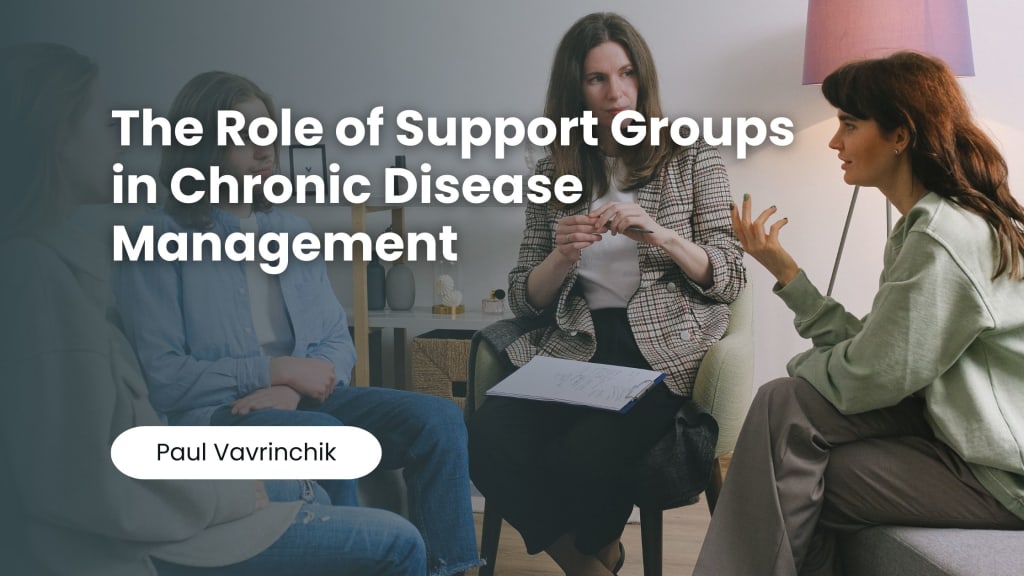
Chronic diseases such as diabetes, heart disease, arthritis, and chronic respiratory conditions often require long-term management and can impact every aspect of a person's life. While medical treatments and lifestyle changes are critical to managing these conditions, an often overlooked but highly impactful aspect of chronic disease management is the support patients receive from others. Support groups offer patients the opportunity to connect with others who are facing similar challenges, providing a sense of belonging, emotional support, and practical advice that can make a profound difference in their journey.
Understanding the Impact of Chronic Diseases
Chronic diseases are long-lasting conditions that often require ongoing care and lifestyle adjustments. For many individuals, the physical, emotional, and psychological challenges of living with a chronic illness can be overwhelming. The burden of managing medications, doctor's appointments, and dietary changes, along with the unpredictable nature of some diseases, can lead to stress, anxiety, and feelings of isolation.
The emotional toll of chronic disease management can affect a person's quality of life and even their ability to adhere to treatment regimens. In fact, research has shown that people with chronic conditions who are socially supported tend to have better outcomes. This highlights the crucial role of emotional and social well-being in managing chronic disease effectively. Support groups offer a space where patients can address these aspects and find the encouragement they need to stay on track with their health goals.
What Support Groups Offer
Support groups provide individuals living with chronic illnesses the opportunity to share their experiences, seek advice, and offer support to others. These groups can be in-person or virtual, and they are typically facilitated by trained professionals, such as healthcare providers, counselors, or peer leaders. They can be disease-specific, such as for diabetes or cancer, or they can cater to broader chronic health issues.
The most significant benefit of support groups is the emotional support they provide. Members can talk openly about their struggles, frustrations, and fears without fear of judgment. The emotional connection that forms within the group helps combat feelings of isolation and loneliness, which are common in individuals managing chronic conditions. Knowing that others understand and share similar experiences fosters a sense of belonging and reduces the emotional burden of the disease.
Support groups also offer an avenue for learning. Participants can exchange practical tips on managing symptoms, handling side effects, or improving overall well-being. This shared knowledge is invaluable, as it allows individuals to tap into a collective experience that can lead to better disease management. For example, someone in a diabetes support group may share a meal planning strategy that has worked well for them or a member of an arthritis group might suggest specific exercises that help alleviate joint pain.
Moreover, support groups can serve as a powerful motivational tool. When patients witness others making progress or successfully managing their condition, it inspires hope and determination. Success stories from fellow group members can provide valuable encouragement and help patients remain positive and committed to their treatment plans. In this way, support groups become not only a place for sharing struggles but also a source of motivation and strength.
Psychological Benefits of Support Groups
Living with a chronic illness often triggers a wide range of emotional reactions, including anxiety, depression, and stress. The psychological strain of managing a condition day in and day out can be exhausting. Support groups can help alleviate these feelings by creating a space for members to express their emotions and receive validation from others who truly understand what they are going through.
Patients often feel a sense of relief when they realize that they are not alone. Chronic disease can make people feel as if their experiences are unique or that others cannot fully comprehend their challenges. Support groups challenge this perception by showing that many people face similar obstacles. This realization reduces feelings of isolation and encourages emotional healing, which can positively impact both mental and physical health.
Furthermore, participating in a support group can enhance self-esteem and provide a sense of purpose. By offering support to others, individuals gain confidence in their ability to help and make a difference. This empowerment can improve an individual's outlook on life and their approach to managing their chronic condition.
Social Support and Treatment Adherence
The social support provided by support groups can play a pivotal role in improving adherence to medical treatments. Research has demonstrated that people with chronic diseases who are socially supported are more likely to follow their treatment plans, take medications as prescribed, and engage in healthy behaviors. When patients feel emotionally supported, they are more likely to have the confidence to make and sustain the necessary changes to manage their condition.
Support groups often provide accountability, as participants can check in with one another about their goals and progress. This sense of responsibility can encourage individuals to stay on track with their treatment, making it easier to make lifestyle changes or maintain long-term care routines.
Support groups are a critical component in the management of chronic diseases. They provide emotional support, foster learning and sharing, and inspire motivation, all of which are essential to managing chronic conditions effectively. By offering a sense of community and connection, support groups help alleviate feelings of isolation and provide a platform for individuals to learn coping strategies, share successes, and address challenges together. As part of a comprehensive approach to chronic disease management, support groups can enhance patients' psychological well-being, increase treatment adherence, and ultimately improve their overall quality of life. For many individuals, the support received in these groups is a lifeline that helps them navigate the often difficult path of living with a chronic illness.
About the Creator
Paul Vavrinchik
With over 40 years of experience in a range of industries, retired professional Paul Vavrinchik has a wealth of knowledge to draw from. Paul was exceptional at managing teams, working with others, and carrying out independent research.
Keep reading
More stories from Paul Vavrinchik and writers in Psyche and other communities.
Empowering the Youth: The Role of Philanthropy in Fostering Community Leadership
At a time when community problems are becoming more and more complicated, there is no better concept than the empowerment of young leaders by philanthropy. The power to bring sustainable changes in the community lies mainly in the youth, who are young, lively, and full of ideas. This article delves into how philanthropy gets at the center of molding such young brains so they become leaders in their respective communities tomorrow.
By Paul Vavrinchik2 years ago in Humans
Top tipple tricks
Been thinking a lot about drinking, lately. Not least because of a recent episode of over-indulgence and the inevitable after effects. Some readers may recall the earlier articles I wrote about beating the booze. Here I set out an experiment in techniques for cutting down on my alcohol intake. The experiment was successful, the techniques worked, and I have armed myself with an arsenal of weapons in the war against the demon drink. I have yet to fire the first round however. It's all a question of timing (perhaps procrastination).
By Raymond G. Taylor7 days ago in Psyche




Comments
There are no comments for this story
Be the first to respond and start the conversation.