
The Psychological Effects of Social Media.
Examining The Impact On Mental Well Being.

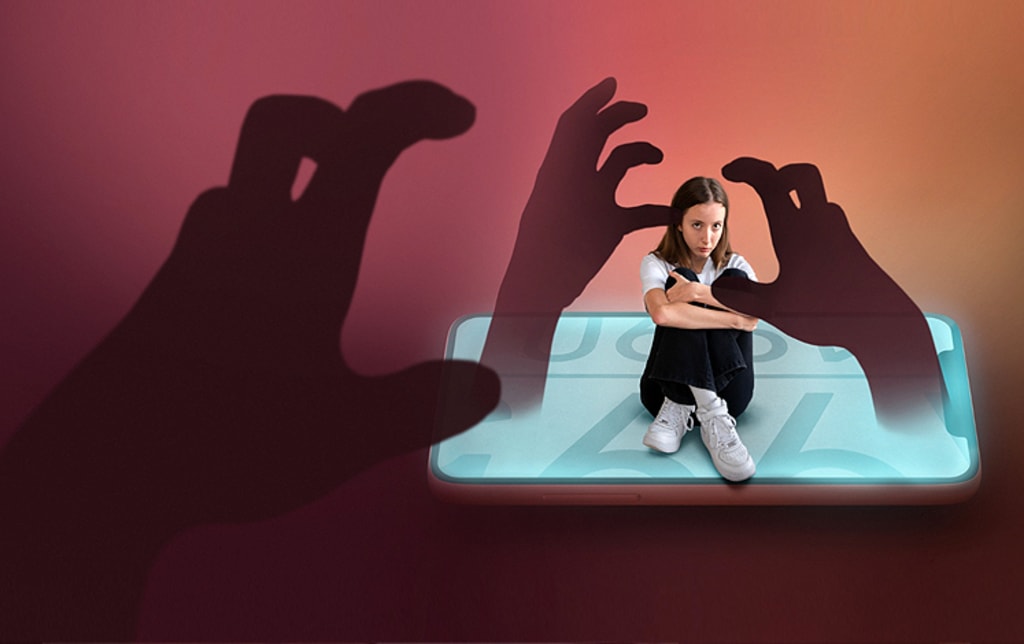
Social media has become an integral part of modern life, connecting people across the globe and providing a platform for communication, sharing, and networking. While social media offers numerous benefits, such as fostering social connections and disseminating information, it also comes with psychological implications. In this article, we will explore the psychological effects of social media usage and examine its impact on mental well being.
Social Comparison and Self Esteem
One significant psychological effect of social media is the tendency for users to engage in social comparison. Constant exposure to carefully curated posts and images of others' seemingly perfect lives can lead to feelings of inadequacy and reduced self esteem. People may feel compelled to compare their own lives, achievements and appearances to those of others which can lead to feelings of dissatisfaction and a distorted perception of reality.
Fear of Missing Out (FOMO)
The constant updates and notifications on social media platforms can trigger a fear of missing out (FOMO) in users. FOMO is characterized by anxiety and the fear of being excluded from social events or experiences. This fear can lead to compulsive checking of social media feeds and a constant need to be connected which can negatively impact mental well being and disrupt real life social interactions.
Cyber bullying and Online Harassment
Social media can be a breeding ground for cyber bullying and online harassment. Being subjected to hurtful comments, trolling or online bullying can have severe psychological consequences leading to anxiety, depression and feelings of isolation.
Sleep Disruption
Excessive social media usage, especially before bedtime can disrupt sleep patterns. The constant exposure to screens and engaging with online content can affect the quality of sleep leading to sleep disturbances and sleep deprivation which in turn impact overall mental health.
Addiction and Dependency
The design of social media platforms often incorporates elements that encourage addictive behavior. The constant need for validation through likes and comments can lead to a dependency on social media for feelings of self worth. This dependency can interfere with real life interactions and contribute to feelings of isolation and loneliness.
Anxiety and Depression
Studies have shown a correlation between heavy social media use and increased symptoms of anxiety and depression. Social media can amplify feelings of loneliness and isolation especially when comparing oneself to others. Moreover, exposure to negative news and distressing content on social media can also trigger anxiety and depressive symptoms.
Body Image Issues
Social media platforms are flooded with images that promote unrealistic beauty standards and body ideals. Exposure to these images can contribute to body image issues and dissatisfaction with one's own appearance leading to disordered eating behaviors and body dysmorphia.
Conclusion
While social media undoubtedly offers numerous benefits, it is essential to be aware of its potential psychological effects on mental well being. The constant exposure to carefully curated content, social comparison, cyber bullying and addictive tendencies can have adverse impacts on individuals' mental health. To maintain a healthy relationship with social media, it is crucial to set boundaries, limit screen time, and engage in regular self reflection. Seeking support from friends, family or mental health professionals can be beneficial in navigating the psychological challenges posed by social media. Ultimately, a balanced and mindful approach to social media usage can contribute to better mental well being and a more positive online experience.
About the Creator
Naeem Shahzad
Naeem Shahzad is an inventive, unique, aspiring & highly driven health & fitness, finance & tech content creator who decided to devote his skills to the benefits of men & women. He stands for high quality, unique & ground breaking content.
Keep reading
More stories from Naeem Shahzad and writers in Psyche and other communities.
The Power Of Positive Psychology.
Positive psychology is a branch of psychology that focuses on the study of human strengths, virtues and well being. Unlike traditional psychology, which often examines mental illnesses and dysfunctions, positive psychology emphasizes the positive aspects of human experience and how individuals can flourish and thrive. In this article, we will delve into the principles of positive psychology and explore its profound impact on overall mental well being.
By Naeem Shahzad3 years ago in Psyche
Top tipple tricks
Been thinking a lot about drinking, lately. Not least because of a recent episode of over-indulgence and the inevitable after effects. Some readers may recall the earlier articles I wrote about beating the booze. Here I set out an experiment in techniques for cutting down on my alcohol intake. The experiment was successful, the techniques worked, and I have armed myself with an arsenal of weapons in the war against the demon drink. I have yet to fire the first round however. It's all a question of timing (perhaps procrastination).
By Raymond G. Taylor4 days ago in Psyche



Comments
There are no comments for this story
Be the first to respond and start the conversation.