
The Dark Side of Mindfulness
When Self-Awareness Hurts


Mindfulness has become a buzzword in wellness circles—praised for calming the mind, improving focus, and bringing us closer to the present moment. It’s taught in schools, practiced in boardrooms, and promoted by therapists. But here’s a truth that’s often overlooked: mindfulness isn’t always helpful. In fact, for some people, the very act of tuning inward can stir up discomfort, anxiety, and emotional distress.
While mindfulness offers many benefits, it’s not a one-size-fits-all remedy. Let’s take a closer look at the lesser-known side of mindfulness—the part where self-awareness, instead of healing, can hurt.
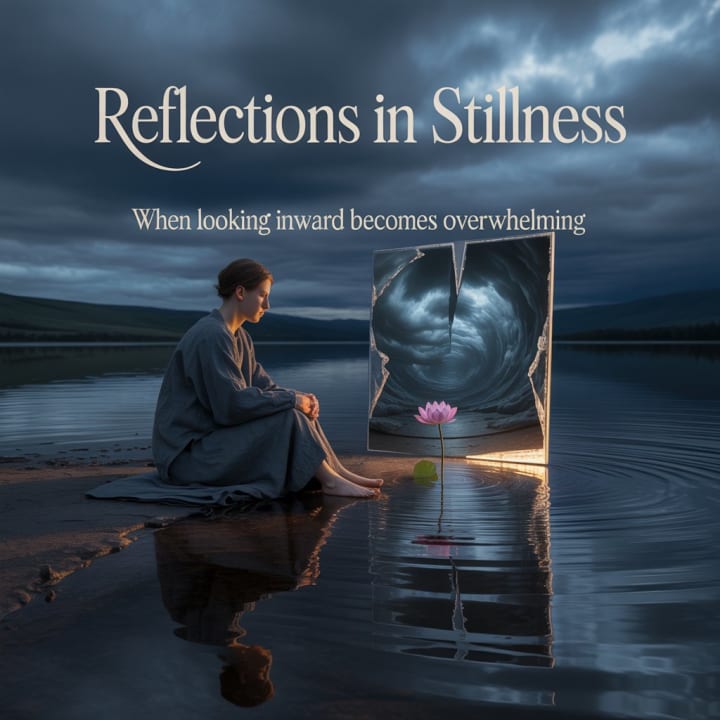
________________________________________
1. Facing More Than You Bargained For
Mindfulness teaches us to observe our thoughts and emotions without judgment. That sounds good—until what surfaces is something you’re not ready for. For individuals who have experienced trauma, unresolved grief, or long-buried emotional pain, mindfulness can feel less like a gentle check-in and more like opening floodgates.
Imagine sitting in silence, trying to follow your breath—and suddenly being hit with a wave of emotion you didn’t even know you were carrying. That’s not calming; it’s overwhelming.
This doesn’t mean mindfulness is “bad,” but it highlights the need for trauma-informed approaches and emotional support when deep issues arise.
________________________________________
2. When Self-Awareness Becomes Self-Criticism
One of mindfulness's goals is to become more aware of your inner experience. But for some people—especially those prone to anxiety or perfectionism—this inward focus can turn into a microscope on everything that’s “wrong” with them. Thoughts spiral. Self-doubt grows. Instead of easing the mind, mindfulness can unintentionally fuel overthinking and emotional distress.
In other words: Mindfulness without compassion can quickly become self-judgment in disguise.
________________________________________
3. Spiritual Bypassing: Looking Calm, Feeling Stuck
It’s easy to fall into the trap of thinking that mindfulness means always being calm, peaceful, and “above” your emotions. But when mindfulness is used to avoid uncomfortable feelings—rather than process them—it becomes a form of spiritual bypassing.
People might say things like, “Just observe your anger, don’t attach to it,” while quietly bottling it up. That’s not mindfulness—that’s suppression wearing a serene mask.
Authentic mindfulness includes making space for the full range of human emotion, not just the pleasant ones.
________________________________________
4. Emotional Detachment and Numbness
Another unintended effect of intensive mindfulness practice is emotional distancing. Some people report feeling disconnected from their surroundings, their relationships, or even from themselves after prolonged meditation. What starts as healthy detachment can morph into numbness or dissociation if not balanced with grounding and human connection.
It's like watching your life from the outside, which may feel calm but also deeply isolating.
This isn’t a failure of mindfulness—it’s a sign that it needs to be integrated more thoughtfully into one’s daily life.
________________________________________
5. The Cultural Disconnect
Modern mindfulness is often packaged in bite-sized pieces—meditation apps, corporate wellness programs, five-minute breathing exercises. While accessible, this version can strip away the depth, ethics, and cultural context that traditional mindfulness practices are rooted in.
What was once a spiritual path becomes a productivity tool—and that shift can distort both the intention and the impact.
For mindfulness to truly support well-being, it must be approached with respect for its origins and with sensitivity to individual differences.
__________________________
🌿 A Mindful Path Forward
None of this means we should abandon mindfulness. On the contrary, mindfulness is a powerful tool—but like any tool, it requires care in how it’s used. For some people, especially those dealing with trauma or mental health struggles, professional guidance and a gentler, more personalized approach are key.
Here’s what mindful practice should look like:
• Trauma-informed and emotionally safe.
• Grounded in self-compassion, not self-judgment.
• Connected to real life—not an escape from it.
• Integrated with other supports, like therapy, community, or creative outlets.
________________________________________
Final Thought
Mindfulness isn't a magic fix—and it shouldn't be treated like one. Self-awareness can lead to healing, but it can also uncover things we’re not yet ready to face. And that’s okay.
The journey inward is powerful, but it’s not always peaceful. Sometimes, it’s messy. Sometimes, it hurts. But with the right support, it can also lead to genuine growth, deep healing, and a more honest relationship with ourselves.
About the Creator
shoaib khan
I write stories that speak to the heart—raw, honest, and deeply human. From falling in love to falling apart, I capture the quiet moments that shape us. If you've ever felt too much or loved too hard, you're in the right place.
Keep reading
More stories from shoaib khan and writers in Psyche and other communities.
10 Daily Habits to Manage Stress and Stay Calm
Let’s be honest: life gets overwhelming. Whether its work pressure, relationship worries, or the never-ending list of responsibilities, stress has a sneaky way of creeping in. But the good news? You don’t need a major lifestyle overhaul to feel better. Just a few mindful, consistent daily habits can make a big difference in how you handle stress and stay grounded.
By shoaib khan10 months ago in Psyche
Top tipple tricks
Been thinking a lot about drinking, lately. Not least because of a recent episode of over-indulgence and the inevitable after effects. Some readers may recall the earlier articles I wrote about beating the booze. Here I set out an experiment in techniques for cutting down on my alcohol intake. The experiment was successful, the techniques worked, and I have armed myself with an arsenal of weapons in the war against the demon drink. I have yet to fire the first round however. It's all a question of timing (perhaps procrastination).
By Raymond G. Taylor5 days ago in Psyche




Comments
There are no comments for this story
Be the first to respond and start the conversation.