
The Connection Between Sleep and Depression
Restful nights make the mornings brighter and weaken the power of depression.
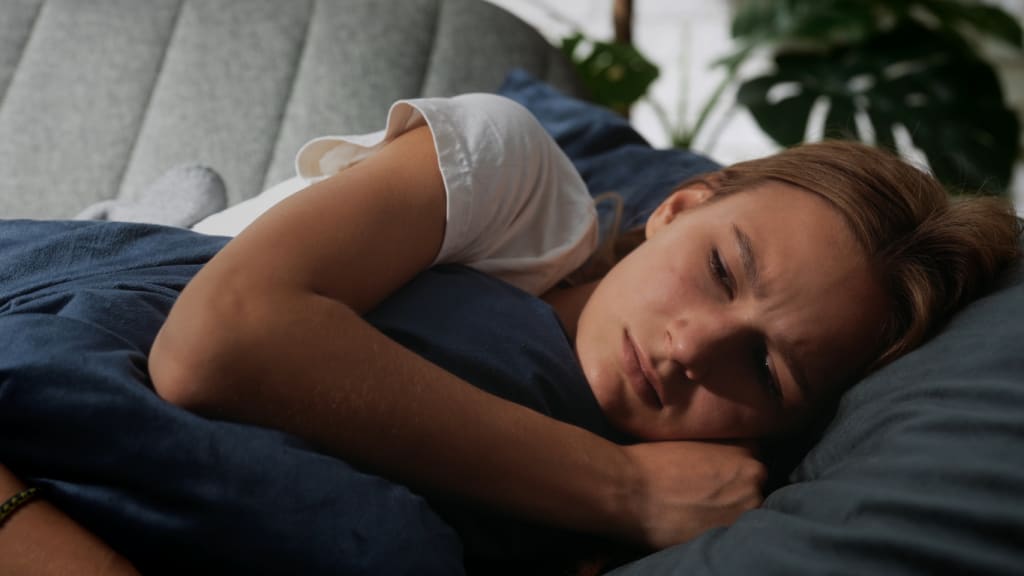
I had never really believed that there was a link between sleep and depression until I experienced it first-hand during COVID-19 times. As a depression sufferer, professional career instability caused me sleepless nights and mental health struggles. Many nights, I would often lie awake for hours with nothing to do but think about insecurities and worry. Sometimes I would wake tired after over 12 hours of sleep. It left me feeling helpless.
I believe that during times of depressive thoughts, sleep served as both an escape and a cause of despair for people. Even I longed for deep sleep so that I would not have to brood on my feelings. But I feared the times when I woke up early and lay awake for hours. My sleeping habits introduced the same challenges that were faced along with my depressive disorder, including irritability, poor motivation, and inability to concentrate. I felt literally as if I was in the clouds and could not touch the sky.
What Science Says About Sleep and Depression
Talked to my psychiatrist, Dr. Gundu Reddy, and waded through a bunch of articles. Turns out, sleep and depression are tangled up together like earbuds in your pocket. There’s way more going on than I realized:
- The “stress of depression” can disrupt our natural sleep-wake cycle, leading to insomnia or excessive sleep (hypersomnia).
- “Long-term sleep problems” can trigger circumstances that cause depression.
It's a two-way street. Individuals suffered from depression, which disrupted the balance of neurotransmitters in the brain, such as serotonin, that regulate both mood and sleep. This is why sleep patterns are so irregular. I learned about the brain's involvement in depressive disorder, which gave me an understanding of the biochemistry of this condition. This information gave me relief and made me feel less alone in my struggle.
Breaking the Cycle
However, to effectively manage my depression, I first had to improve my sleep. At one point, I needed 12 hours of sleep to feel refreshed. However, it all started when I decided to change my routine, regulate my sleep patterns, and maintain a consistent bedtime.
- Avoid screening at night:
I was always taught by Dr. Reddy not to pick up my phone as soon as I got out of bed and to do some light exercise before bed.
- Mindfulness practice:
On nights when I couldn't sleep, I used (and still use) mindfulness to focus my mind on one thing and slow down my thoughts.
- Music therapy:
Sometimes, I listened to calming music or a podcast to distract myself from negative thoughts. It was a gradual process, but eventually, my sleep started to improve.
- Lifestyle Changes:
I worked on making lifestyle changes to improve my sleep and mood through:
- Regular exercise is good, but avoid exercising right before bed.
- Following a balanced diet
- Limit consumption of coffee and alcoholic beverages.
One patient in my support group community, whom I met, told me that adopting a daily 30-minute walking routine was the best thing she had ever done (as she is an osteoarthritis patient as well). It helped her sleep better and overcome depression eventually.
- Seeking Help:
This is a major step. Please, anyone struggling with mental health issues should prioritize mental health by seeking expert advice. All information, including mental health prevention tips, is available on Google. Yet, we still struggle to understand it. This is sometimes due to excessive information or the wrong approach to addressing the problem. Every person is different, so the root cause, severity, or other issues vary. Therefore, I recommend prioritizing seeking professional help.
In my journey, I realized I couldn't cope with my situation alone. Therefore, first, I spoke openly with my therapist about my sleep problems. Therapy helped me identify the causes and develop coping strategies.
Additionally, medication was very helpful in improving my mood and stabilizing my sleep cycle. [Afraid to take medicine? I've been in a similar situation, but imagine you have a broken arm. The doctor has put a cast on your broken arm to speed healing and has also prescribed painkillers to relieve the pain. Do you avoid taking medicine in such a painful situation?]
Furthermore, being part of a group of people going through the same issues as me was a very helpful support. Sometimes, simply attending support groups or sharing difficult times with a few trusted people was enough (here, simple communication works like an antidote). I found that sharing my experiences was much less scary, and having them encourage me during my toughest days made me feel less alone.
A work in progress…
My journey with sleep and depression continues. There are still some nights when I struggle to finally fall asleep, and some days when I can't even get out of bed. But I don't feel hopeless because I've now found solutions to my problems and realize that this disorder is a matter of the ups and downs of mental health.
For me, I now understand that sometimes being gentle with myself and not overemphasizing small accomplishments can be the solution to my problems. Who doesn’t appreciate a good night’s sleep as if it were a rare gift? And on hard days, I remind myself that this too shall pass. By adopting a positive approach to not only my mental health, but also my sleep, I've slowly reached equilibrium.
Hope for the Future
If you have been having trouble with depression and insomnia, you are not alone. There are caring professionals, and there are appropriate ways to get help. So please do not be afraid to seek out a mental health professional or someone you trust. With self-awareness, the practice of better self-care, and support from your help in your circle, it’s possible to learn to sleep again over time and become a more joyful person.
About the Creator
Neha
Writer & mental health advocate. I have overcome anxiety & embraced my introverted nature. As a person, I consider my mental health as important as my physical health.
Broken Pieces
It's been almost three months. I tried to fall for you slowly, easily, so I could protect my heart. Those attempts failed. You are so kind, considerate, and empathetic. I felt that when you looked at me, you saw me all the way to my soul. The physical attraction was immediate and intense. Two lost and broken souls just trying to find their way home. The first time I looked into your sky-blue eyes, I saw sadness, I saw exhaustion, and the vast emptiness that comes from just giving up. However, in each other, we found hope. I could see that spark of hope in your eyes. That you wanted this to be real just as much as I did, something to hold onto, something true, something that could last a lifetime and not just until things got too hard. We moved in together pretty quickly due to life and circumstances. Honestly, we needed each other to hold on to at night. I know now that your life has been riddled with demons, pain, depression, anxiety, ptsd and so many triggers from your past. You have never been given the right mental tools to move through your pain and torment. So, you have just remained silent and swallowed your pain. No one should have to hold that much pain alone. It has been a task trying to help you, but also hold space for my own well-being, but I want you to know that you are worth it to me. You are not too broken and will never be too broken. I want to show you that I can hold space for both your mental health and my own. We both have so much going on in our minds, and we both try to hold each other up as best we can. When your demons come out to play, I try to slay them or at least make them shut the fuck up, and you do the same for me. We can hold each other, cry, scream at the world, go break shit together, or just sit in silence. I'm trying to learn what you need in your moments of mental health crisis, and I can tell you're trying to learn what I need as well. Have you ever heard of the term "hot mess"? That describes us perfectly. But we are perfectly imperfect. I am your Juliet, and you are my Romeo, as cheesy as that sounds. I swear we're going to be okay. I swear we're going to get healthy together. I've already done some work myself, but we are a team now, and we have to work together. I'm not leaving you. Where you go, I go, together forever. Mental health is a cruel mistress that holds no prisioners. You are such a beautiful soul that has come into my life, and you've helped me in so many ways. You help add structure in my life, you help with my daughter, you're my friend I can talk through my day and emotions with, my partner I can figure out life with, my lover, when I can't breathe because of a panic attack, you hold me and talk me through it. I wouldn't go back to being alone. I want you, all of you, even the broken pieces, because you take me and my broken pieces. Life is full of broken pieces, but what makes it better is to find that special someone who will hold both you and your broken pieces and still say I love you no matter what.
By Lindsey Altom7 days ago in Psyche


Comments
There are no comments for this story
Be the first to respond and start the conversation.