
The Beauty of Nature
Its Profound Benefits for Brain and Physical Health
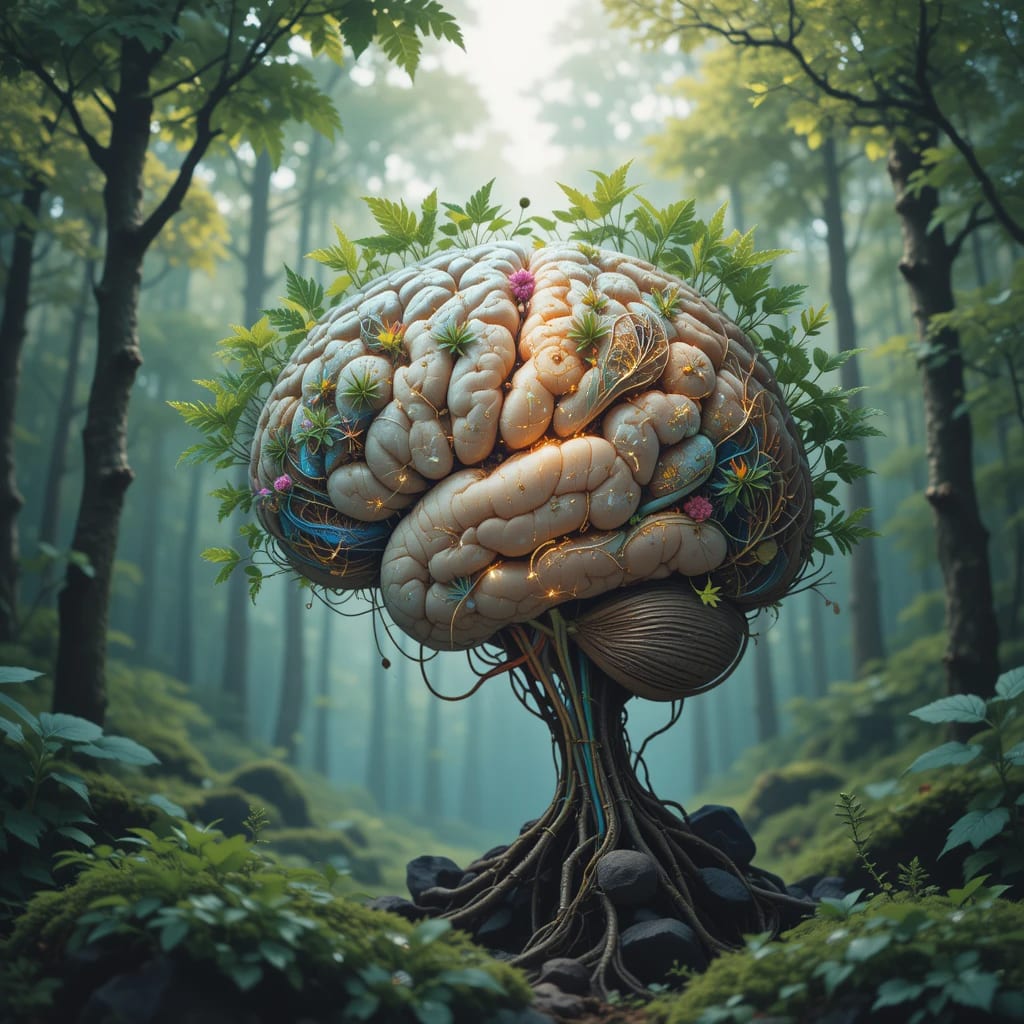
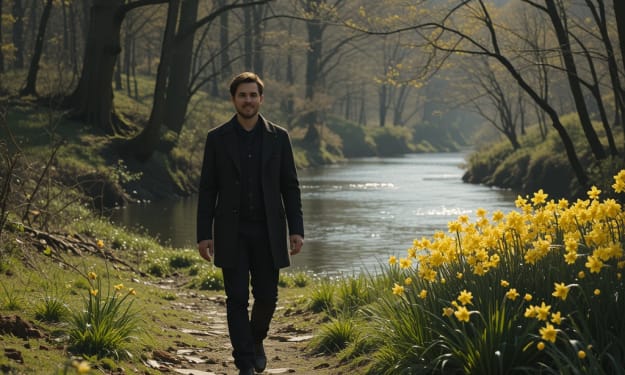
Nature has long been revered for its breathtaking beauty and its timeless presence in human life. From towering mountains and serene rivers to dense forests and colorful flower meadows, the natural world offers an aesthetic and sensory experience that no man-made creation can replicate. But beyond its visual splendor, nature also holds remarkable benefits for both brain and physical health. In this article, we will explore the captivating beauty of nature and delve into the scientific and emotional advantThe Incomparable Beauty of Nature
The beauty of nature is a universal language that transcends cultures, age groups, and individual preferences. Whether it's the golden hues of a sunrise, the rhythmic sound of ocean waves, or the peaceful stillness of a forest, nature has the ability to evoke awe and wonder in all who experience it.
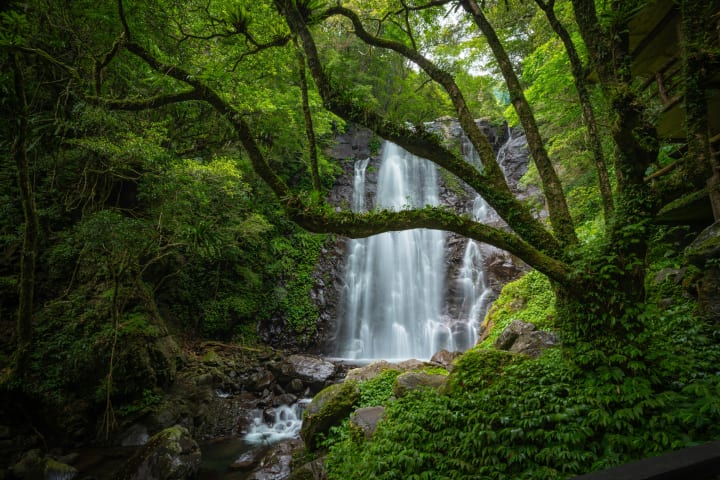
One of the reasons nature is so visually and emotionally compelling is its diversity. No two landscapes are the same; each season brings a new set of colors, textures, and sounds. Spring fills the air with the scent of blossoms, while autumn paints trees in vibrant shades of red and orange. This constant change keeps our senses engaged and offers a sense of renewal and connection.
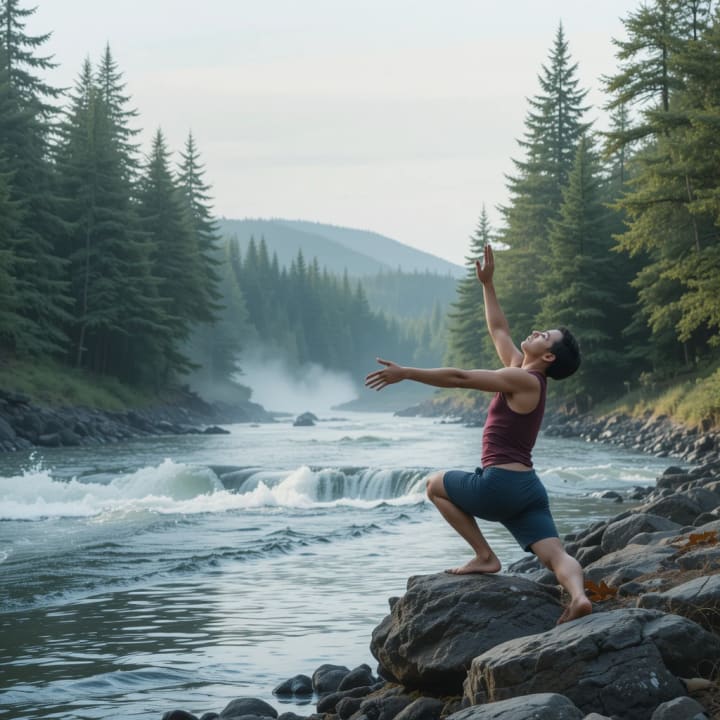
Furthermore, being surrounded by natural beauty often leads to a sense of calm and tranquility. Unlike urban environments, which can be overstimulating and stressful, natural settings are more harmonious. They promote mindfulness and help individuals reconnect with themselves and their surroundings.
Nature's Impact on the Brain
1. Reduced Stress and Anxiety
Numerous studies have shown that spending time in nature reduces the levels of cortisol, the stress hormone, in the brain. Even a short walk in a park or time spent gardening can significantly lower stress levels and promote a sense of peace. This phenomenon is known as "nature therapy" or "ecotherapy."
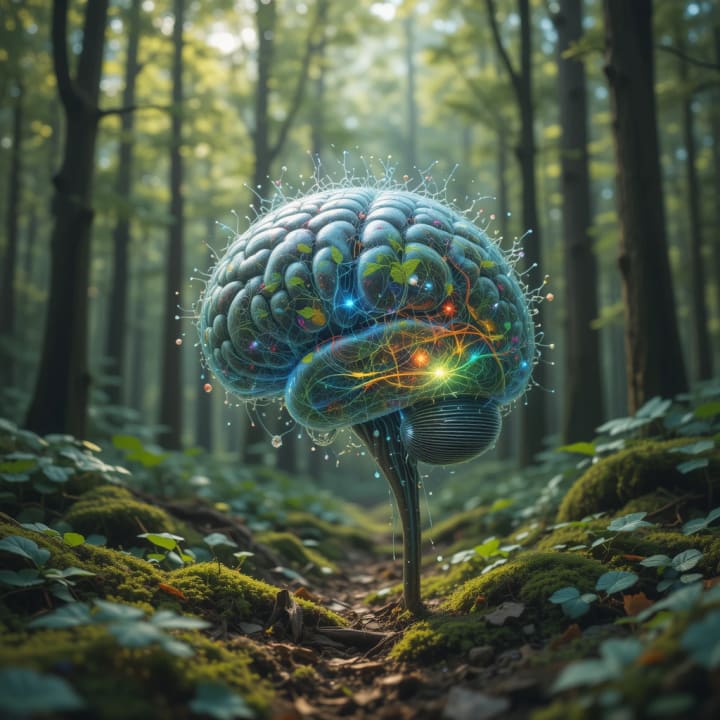
Exposure to green spaces has been associated with decreased anxiety and depression. Natural environments help shift the brain into a more relaxed and meditative state, allowing people to temporarily disconnect from the pressures of daily life and technology.
2. Improved Focus and Cognitive Function
Time in nature also improves concentration and cognitive function, especially in children and individuals with attention disorders. The Attention Restoration Theory (ART) suggests that natural settings engage our involuntary attention, giving our directed attention (which we use for tasks and work) a chance to recover. This restoration process improves memory, problem-solving abilities, and creativity.
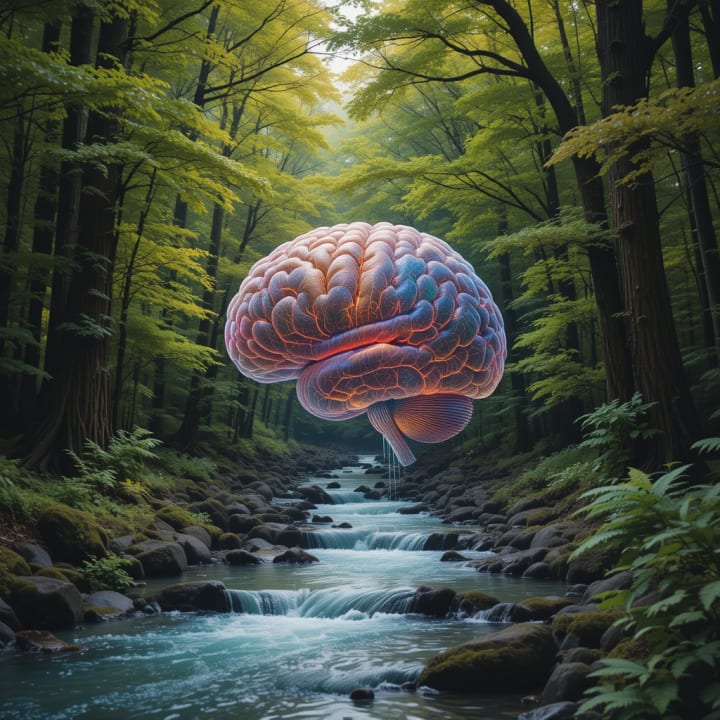
For instance, studies have shown that students who learn in outdoor environments perform better academically and retain more information. Similarly, adults who take nature breaks during the workday report improved focus and productivity.
3. Enhanced Mood and Mental Clarity
Natural light, fresh air, and the sounds of birds or flowing water contribute to an overall uplifted mood. Exposure to nature boosts the production of serotonin and endorphins—chemicals in the brain responsible for happiness and pleasure. This is why activities like hiking, camping, or even sitting by a window with a view of greenery can result in better mood and mental clarity.
Spending time in nature also encourages mindfulness, a mental state where one is fully present and engaged in the moment. Mindfulness reduces negative thought patterns and enhances emotional regulation.
Nature’s Benefits for Physical Health
1. Encouragement of Physical Activity
Natural settings often encourage movement—whether it’s hiking on trails, swimming in a lake, or simply walking through a park. Regular physical activity is vital for cardiovascular health, muscle strength, and weight management. Being in nature makes exercise feel more enjoyable and less like a chore, leading to more consistent participation.
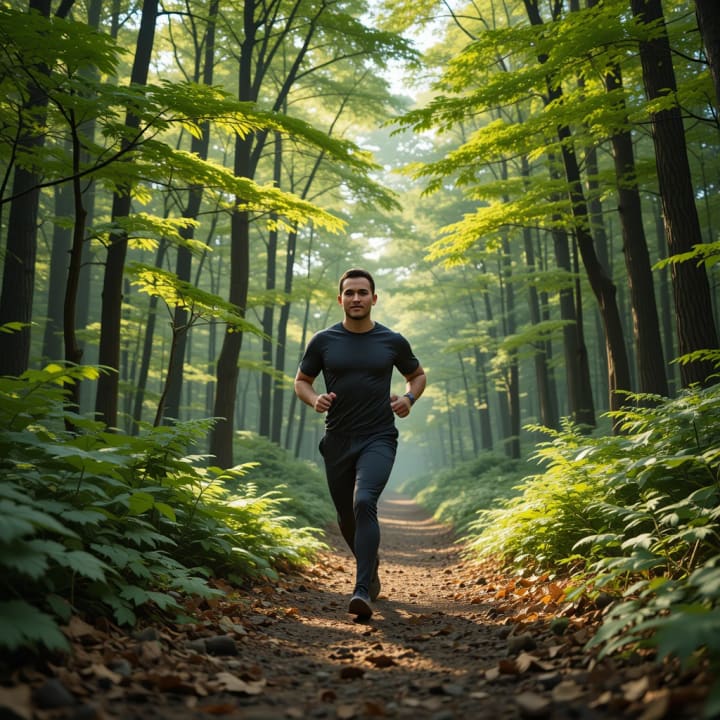
Studies have shown that people who exercise outdoors tend to do so longer and with greater intensity than those who work out in indoor environments. Additionally, the varied terrain of natural landscapes provides more comprehensive physical engagement, improving balance and coordination.
2. Boosted Immune Function
Spending time in nature can strengthen the immune system. Trees and plants release airborne chemicals called phytoncides, which have been shown to increase the activity of natural killer cells in the human body—cells that help fight off infections and cancer.
Forest bathing, or “shinrin-yoku,” a practice popularized in Japan, involves immersing oneself in a forest environment. It has been found to lower blood pressure, reduce inflammation, and enhance immune response, contributing to overall physical resilience.
3. Better Sleep and Energy Levels
Exposure to natural light helps regulate the body’s circadian rhythms, improving sleep patterns and energy levels. A day spent outdoors increases melatonin production at night, helping individuals fall asleep faster and enjoy deeper rest.
Also, the reduced screen time that often accompanies time in nature allows the eyes to rest, decreasing eye strain and mental fatigue. This contributes to a feeling of rejuvenation and higher daytime energy.
Conclusion
Nature is not just a backdrop to human existence—it is a powerful source of beauty, peace, and healing. The natural world nourishes our senses, enriches our emotions, and enhances our physical and mental health. In today’s fast-paced and technology-driven society, the importance of reconnecting with nature cannot be overstated.
Taking even small steps to engage with nature—such as walking in a park, sitting under a tree, or keeping houseplants—can have a profound impact. The beauty of nature is freely available, and its benefits are deeply rooted in our biology. By embracing the outdoors, we not only appreciate the world's natural wonders but also care for our own well-being in the most holistic way possible.
About the Creator
M Imad
My name is Imad. I am a student.I want to sharemore and more information and stories of interesting and motivational.
The Light Turns
It's Tuesday 7:13 a.m. A cold and clear November morning awaits Ray on his morning commute. Ray rubs his hands together in the front seat of his Subaru. He turns the air temperature up, but keeps the air on low until the air warms up. He looks at the backup camera screen and reverses the Subaru out of his driveway onto Trimble Road.
By John R. Godwina day ago in Fiction



Comments
There are no comments for this story
Be the first to respond and start the conversation.