
Should You Try Acupuncture During Pregnancy?
Should You Try Acupuncture During Pregnancy?

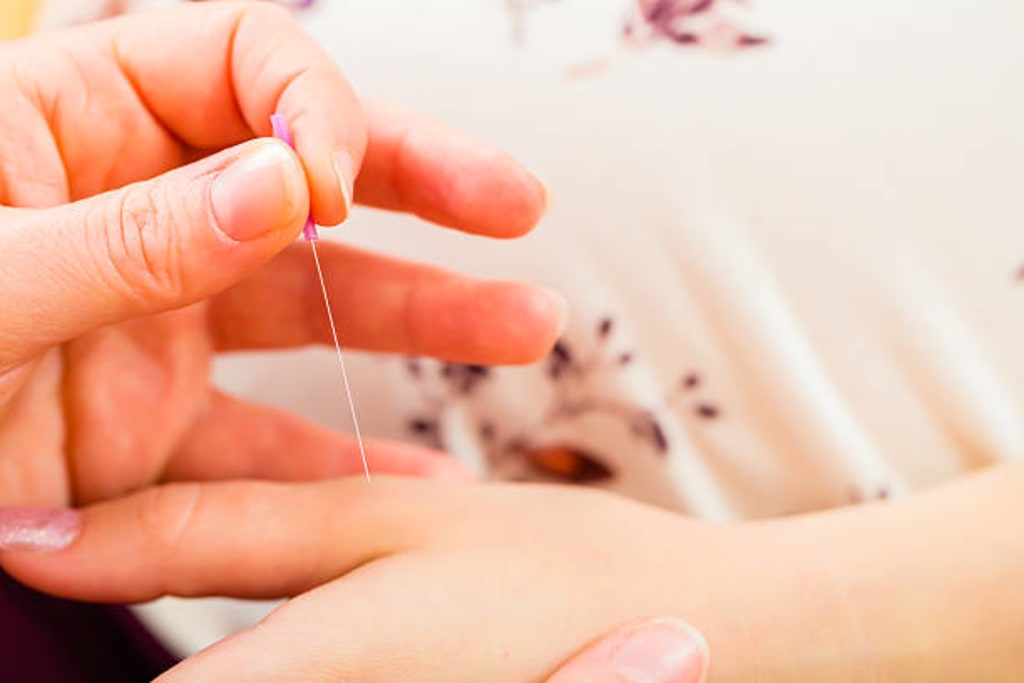
Pregnancy is a transformative journey, both physically and emotionally. Many expectant mothers explore alternative therapies to support their health and well-being. Acupuncture, an ancient practice rooted in Traditional Chinese Medicine (TCM), is gaining popularity among pregnant women for its potential benefits. But is acupuncture in pregnancy safe? And how can it help? This article delves into the advantages, safety considerations, and best practices for acupuncture during pregnancy.
What is Acupuncture?
Acupuncture is a therapeutic technique that involves inserting thin needles into specific points on the body to balance energy flow, known as "qi" (pronounced "chee"). This practice is based on TCM principles and is used to promote overall health, relieve discomfort, and support the body's natural healing processes.
In Western medicine, acupuncture is believed to stimulate the nervous system, enhance blood circulation, and release endorphins, which contribute to pain relief and relaxation.
Is Acupuncture Safe During Pregnancy?
One of the primary concerns for pregnant women considering acupuncture is safety. Research suggests that acupuncture is generally safe when performed by a qualified practitioner experienced in prenatal care. However, certain acupuncture points are traditionally avoided during pregnancy as they may stimulate uterine contractions.
To ensure a safe experience:
- Choose a licensed acupuncturist with experience in prenatal acupuncture.
- Inform your practitioner about your pregnancy and any medical conditions.
- Avoid acupuncture points associated with uterine contractions, such as LI4 (Hegu) and SP6 (Sanyinjiao).
Benefits of Acupuncture in Pregnancy
Many women turn to acupuncture to manage pregnancy-related symptoms. Here are some common benefits:
1. Relief from Morning Sickness
Morning sickness, which includes nausea and vomiting, is common during the first trimester. Studies indicate that acupuncture can help reduce these symptoms by targeting pressure points such as P6 (Neiguan) on the wrist, known for its anti-nausea effects.
2. Reduction in Pregnancy-Related Pain
Acupuncture can alleviate back pain, pelvic pain, and sciatica, which are prevalent as the body adjusts to pregnancy. By improving blood circulation and reducing inflammation, acupuncture helps manage pain without the need for medication.
3. Improved Sleep and Reduced Stress
Pregnancy can bring about stress, anxiety, and sleep disturbances. Acupuncture promotes relaxation by stimulating the release of endorphins and reducing cortisol levels, helping expectant mothers achieve better sleep and emotional well-being.
4. Support for Digestion and Bloating
Hormonal changes during pregnancy can lead to digestive issues such as bloating, constipation, and acid reflux. Acupuncture can support digestive function, easing these discomforts and promoting gut health.
5. Preparation for Labour
As the due date approaches, some women use acupuncture to help prepare the body for labour. Studies suggest that acupuncture may aid cervical ripening and encourage natural labour onset, reducing the likelihood of medical interventions such as inductions.
6. Management of Breech Babies
Acupuncture combined with moxibustion (a therapy using burning herbs) has been used to help turn breech babies into the correct head-down position. This technique is generally applied between weeks 32 and 36 of pregnancy.
When Should You Start Acupuncture During Pregnancy?
Acupuncture can be beneficial at different stages of pregnancy:
First trimester: Helps with morning sickness, fatigue, and stress.
Second trimester: Addresses musculoskeletal pain, heartburn, and digestive issues.
Third trimester: Prepares the body for labour, relieves swelling, and enhances relaxation.
Postpartum period: Supports recovery, promotes milk production, and aids in emotional well-being.
What to Expect During an Acupuncture Session?
A typical acupuncture session lasts between 30 to 60 minutes. Your acupuncturist will take a detailed health history before inserting fine needles into specific points on the body. The process is generally painless, with most patients experiencing a mild tingling sensation or deep relaxation.
After treatment, you may feel energised or deeply relaxed. It is essential to stay hydrated and listen to your body’s needs following a session.
Choosing a Qualified Acupuncturist
If you’re considering acupuncture in pregnancy, it is crucial to find a qualified practitioner. Here’s what to look for:
- Certification by a recognised acupuncture board or association.
- Experience in treating pregnant women.
- Positive reviews or recommendations from other expectant mothers.
Conclusion
Acupuncture in pregnancy offers a natural and holistic way to support maternal health and ease common discomforts. While research continues to explore its benefits, many women find it a valuable tool in managing pregnancy-related symptoms and preparing for childbirth.
Before starting acupuncture, consult with your healthcare provider and seek a skilled practitioner to ensure a safe and effective experience. By integrating acupuncture into your prenatal care, you can enhance your pregnancy journey with greater comfort and well-being.
About the Creator
Kerry Rutherford Acupuncture
Kerry Rutherford - Your trusted source for acupuncture for fertility and IVF in Hertfordshire. Discover expert care and support for your reproductive health journey.
Keep reading
More stories from Kerry Rutherford Acupuncture and writers in Psyche and other communities.
How Acupuncture Can Support Recovery After Miscarriage
Going through a miscarriage can be an overwhelming experience, both physically and emotionally. The body requires time to heal, while the mind processes the loss. One effective holistic therapy for supporting recovery is acupuncture after miscarriage. Rooted in Traditional Chinese Medicine (TCM), acupuncture is widely recognised for its ability to restore balance, regulate hormones, and enhance emotional well-being, helping women navigate the healing process more smoothly.
By Kerry Rutherford Acupunctureabout a year ago in Psyche
Top tipple tricks
Been thinking a lot about drinking, lately. Not least because of a recent episode of over-indulgence and the inevitable after effects. Some readers may recall the earlier articles I wrote about beating the booze. Here I set out an experiment in techniques for cutting down on my alcohol intake. The experiment was successful, the techniques worked, and I have armed myself with an arsenal of weapons in the war against the demon drink. I have yet to fire the first round however. It's all a question of timing (perhaps procrastination).
By Raymond G. Taylor7 days ago in Psyche
How Inpatient Dual Diagnosis Treatment Can Transform Your Life
Living with both a mental health disorder and a substance use disorder can feel overwhelming and isolating. When these conditions occur together often referred to as dual diagnosis they can create complex challenges that make recovery more difficult without specialized care. Many individuals find that traditional treatment methods do not fully address both issues at the same time.
By Jordan Blake5 days ago in Psyche




Comments
There are no comments for this story
Be the first to respond and start the conversation.