
Self-harm in teenagers: understanding this problem to help them
Self-injury in adolescents is a more common scourge than it is believed, which can be solved through effective actions

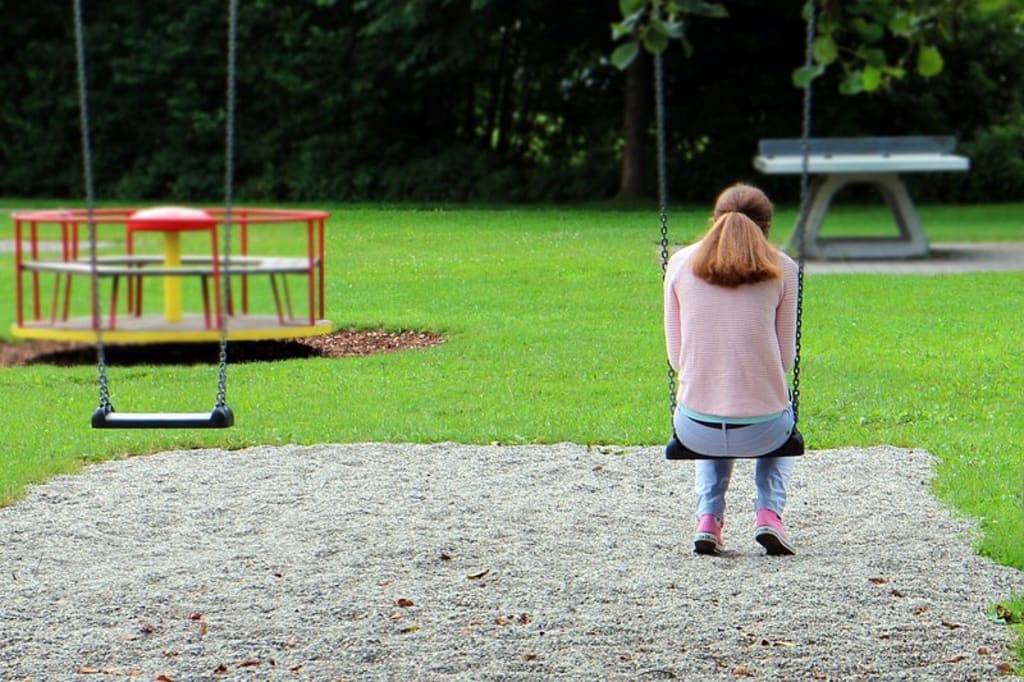
Cutting and self-harm among teenagers is a significant mental health concern that has garnered increasing attention in recent years. Understanding the motivations behind these behaviors, their prevalence, and how to address them is crucial for parents, educators, and mental health professionals.
## Prevalence and Forms of Self-Harm
Self-harm, often referred to as non-suicidal self-injury (NSSI), includes various behaviors where individuals intentionally damage their bodies without the intent to die. The most common form is cutting, where sharp objects like razors or knives are used to inflict wounds. Other methods can include burning, scratching, hitting oneself, or even more severe actions like breaking bones or inserting objects under the skin.
Research indicates that approximately 7% of adolescents engage in self-harm at least once, with the behavior typically beginning between the ages of 11 and 14. This issue affects all genders, although patterns may differ; for instance, girls are more likely to cut, while boys may be more prone to hitting themselves.
## Reasons for Self-Harm
The motivations behind self-harm are complex and multifaceted. Many teens use self-injury as a coping mechanism to manage overwhelming emotions, such as sadness, anger, or anxiety. For some, it serves as a temporary escape from emotional pain, providing a sense of relief or control when other aspects of their lives feel unmanageable.
##Common reasons for self-harm include:
- Emotional Regulation. Teens may struggle to cope with intense feelings and find that physical pain helps distract from emotional distress.
- Communication: Some adolescents use self-harm as a way to express feelings that they cannot articulate verbally.
- Peer Influence: Social dynamics can also play a role, with some teens feeling pressured to engage in self-harm as a form of rebellion or to fit in.
## Misconceptions About Self-Harm
There are several misconceptions surrounding self-harm that can hinder understanding and support:
- Self-harm is a suicide attempt: While there is a correlation between self-harm and suicidal thoughts, most individuals who self-injure do not intend to end their lives.
- Only attention-seeking behavior: Many teens self-harm in secrecy, indicating that it is often a private struggle rather than a cry for hellp.
- Self-harm is only a phase:Although some adolescents may outgrow these behaviors, many continue to struggle into adulthood if not provided with appropriate support and treatment.
## Supporting Teens Who Self-Harm
Parents and caregivers play a critical role in addressing self-harm. Here are some strategies for providing support:
1. Open Communication: Encourage honest discussions about feelings and experiences. Approach the topic without judgment, expressing concern and a willingness to help.
2. Seek Professional Help: Engaging with mental health professionals can provide teens with the tools they need to cope with their emotions and address underlying issues such as depression or anxiety.
3. Educate Yourself: Understanding the nature of self-harm can help parents respond more effectively and compassionately.
4. Monitor and Support: Keep an eye on changes in behavior or mood, and be proactive in offering support and resources.
5. Listen Actively: Be prepared for a range of emotions from your teen, including denial or anger. Stay calm and patient, and reassure them that their feelings are valid and that you want to understand what they are going through.
6. Encourage Social Connections: Help your teen build a support network of friends, family, and trusted adults who can provide emotional support and understanding. Positive relationships can significantly impact their resilience.
7. Manage Social Media Use: Be aware of the impact of social media on your teen's mental health. Encourage healthy online habits and consider limiting exposure to content that may glorify self-harm.
## Conclusion
Cutting and self-harm are serious issues that require understanding, compassion, and appropriate intervention. By fostering open communication and seeking professional help, families can support teens in navigating their emotional struggles and finding healthier coping mechanisms.
About the Creator
Ninfa Galeano
Journalist. Content Creator. Media Lover. Geek. LGBTQ+.
Visit eeriecast ,where you'll find anonymous horror stories from all over the world. Causing insomnia since 2023.
Keep reading
More stories from Ninfa Galeano and writers in Psyche and other communities.
Society Often Teaches Us to Suppress Our Sad Feelings, Branding Them as Negative.
Allow yourself the time to feel, process, and let go. What a journey we’ve traveled together. You can relate to that pain that appears out of nowhere and wants to linger in our minds. Once fear moves in, it takes root—spreading doubt, loneliness, and confusion It’s that kind of pain that overtakes your mental health, gradually making a home within you. Your thoughts can create a space filled with fear, a feeling that we often cling to because it’s the one our minds use against us—leading to a fierce battle between your thoughts and your feelings. It’s a struggle no one wants to lose, yet losing yourself feels like an ever-present threat. Isn’t that a trick life plays on us?
By Johana Torres12 days ago in Psyche



Comments (1)
Thanks for sharing