
Review of "The Anxious Generation" by Jonathan Haidt
Exploring the Modern Mental Health Crisis in Youth: How Technology and Overprotection Have Rewired Childhood


In The Anxious Generation: How the Great Rewiring of Childhood Is Causing an Epidemic of Mental Illness, Jonathan Haidt explores one of the most pressing concerns of our time—the rising levels of anxiety and depression among young people. As a co-author of the widely-discussed The Coddling of the American Mind, Haidt’s new work focuses on how shifts in modern childhood, especially the widespread influence of technology and social media, are reshaping the mental health landscape. With his academic rigor and compelling writing, Haidt offers an insightful and comprehensive analysis of the complex forces at play. The audiobook, narrated by Sean Pratt and Haidt himself, adds a layer of accessibility, making the content even more engaging.

Overview of the Book
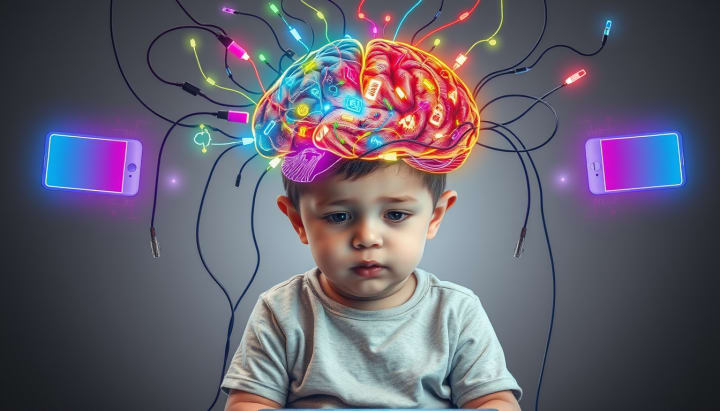
Haidt begins his book by painting a stark picture of the mental health crisis among the younger generation. The rise of anxiety, depression, and suicide rates, particularly among adolescents, is the primary concern. He contextualizes this issue within the broader societal changes that have occurred over the past two decades, identifying what he calls "the great rewiring" of childhood. This rewiring refers to the massive technological shifts, most notably the explosion of social media platforms, smartphones, and the increasingly digital nature of adolescent social lives.
Haidt draws on a wealth of research, including longitudinal studies, to demonstrate the correlation between these changes and the alarming rise in mental health problems. He delves into how technology has profoundly altered the way children and teenagers interact with their peers, manage relationships, and even develop their sense of self. While acknowledging the benefits of the digital age, Haidt's focus is on its darker sides—such as cyberbullying, the pressure of constant connectivity, and the rise of curated online identities that foster feelings of inadequacy.
The Social Media Factor
A significant portion of The Anxious Generation is dedicated to understanding the role of social media. Haidt argues that platforms like Instagram, Snapchat, and TikTok are engineered to exploit basic psychological vulnerabilities, particularly in adolescents. The dopamine-driven design of these apps fosters addictive behaviors, reinforcing patterns of comparison and validation-seeking that are toxic to mental health.

He provides numerous examples of how these platforms contribute to anxiety by creating an environment of constant judgment. The prevalence of "likes" and comments, for instance, places teenagers in a never-ending cycle of social validation, making them more susceptible to feelings of inadequacy and rejection. Haidt also addresses the phenomenon of "cyberbullying" and how the anonymity of the internet can exacerbate harmful behavior, further alienating vulnerable teens.
The accessibility and immersion of social media make it difficult for young people to unplug. Haidt notes that this constant connectivity often leads to sleep deprivation, which in turn has been shown to have severe impacts on mental health. His findings are backed by substantial research, much of which paints a troubling picture of the long-term consequences of heavy social media use.
Parental Overprotection and the Loss of Independence
Another key element of The Anxious Generation is Haidt's exploration of the role that modern parenting practices have played in the mental health crisis. He discusses how "helicopter parenting" or "intensive parenting" has become the norm, where parents overprotect their children from perceived dangers and difficulties. While these protective instincts are well-meaning, Haidt argues that they often rob children of the independence and resilience needed to cope with life’s challenges.

Haidt points out that children today spend far less time engaging in unsupervised play or navigating social situations without adult intervention. This shift, combined with a growing culture of safetyism—where even minor discomforts are seen as threats—has led to a generation less equipped to handle stress and adversity. He suggests that children learn important skills, such as conflict resolution and emotional regulation, through exposure to risk and challenge, but modern parenting practices often prevent this.
This lack of autonomy, Haidt argues, feeds into the rising levels of anxiety and depression. Children who are constantly shielded from failure or discomfort develop a heightened fear of the world, which manifests in mental health struggles later in life. By attempting to remove all obstacles, parents inadvertently create environments where children are ill-prepared to face real-world challenges.

The Role of Schools and Universities
In addition to the home environment, Haidt also critiques how schools and universities have responded to the mental health crisis. He points to the rise of "trigger warnings" and "safe spaces" in educational institutions, noting that while these initiatives may come from a place of compassion, they often do more harm than good. Haidt believes that shielding students from uncomfortable or controversial ideas reinforces the very anxieties they are meant to mitigate.
Haidt uses the term “antifragility” to describe how individuals and institutions should aim to function. Like bones or immune systems that grow stronger when exposed to stressors, Haidt believes that young people, too, become more resilient when they are allowed to confront and overcome challenges. By removing all potential stressors from academic environments, schools and universities risk reinforcing a culture of fragility rather than fostering growth and resilience.
Solutions and the Path Forward
One of the strengths of The Anxious Generation is that Haidt does not merely diagnose the problem—he also offers solutions. He calls for a cultural shift in the way we approach childhood, adolescence, and mental health. First, Haidt advocates for a significant reduction in screen time and social media use, especially for younger children. He emphasizes the importance of face-to-face interactions and real-world experiences in developing emotional intelligence and resilience.
Haidt also urges parents to allow their children more freedom to engage in unsupervised play and to experience failure. By doing so, children can develop problem-solving skills and self-reliance, which are crucial for mental well-being. He proposes that schools and universities take a more balanced approach to safety, one that encourages students to engage with difficult ideas and situations rather than avoid them.
On a broader societal level, Haidt calls for greater awareness of the role that technology companies play in shaping young minds. He supports policies that would hold social media platforms accountable for their impact on mental health and suggests that parents, educators, and lawmakers work together to create healthier environments for children to grow up in.

The Audiobook Experience
The narration of The Anxious Generation by Sean Pratt and Jonathan Haidt adds a personal and engaging touch to the audiobook. Pratt’s clear and thoughtful delivery helps make the complex research and ideas accessible to a wider audience. Haidt’s occasional interjections as the author offer a deeper connection to the material, giving listeners a sense of the passion and urgency behind his words.
The dual narration also enhances the audiobook’s overall impact by offering varying tones that keep the listener engaged. Pratt’s experience as a narrator is evident in his ability to convey both the intellectual weight and the emotional resonance of the content. Haidt’s contributions provide authenticity and a direct link to the author’s voice, making it feel like a conversation rather than a lecture.

Conclusion
The Anxious Generation is a deeply insightful and timely examination of the mental health crisis facing today’s youth. Jonathan Haidt’s analysis of how technology and modern parenting practices have rewired childhood is both convincing and alarming. His arguments are supported by extensive research, and his solutions provide a roadmap for how we might begin to address this growing issue.
For anyone interested in understanding the root causes of the mental health crisis among young people—and how we can begin to reverse the trend—this book is an essential read. The audiobook, with its excellent narration by Sean Pratt and Haidt, only enhances the experience, making it a compelling listen for both parents and educators alike.
Where to find the book on Amazon: https://amzn.to/3BvliAU
***This post may contain affiliate links. If you make a purchase through one of these links, I may earn a small commission at no additional cost to you. This helps support the content and work I do. Thank you for your support!***
***Portions of this article may have been written with the assistance of AI to enhance accuracy and clarity. All opinions and analyses remain the author’s own.***
About the Creator
Keep reading
More stories from Duane Cash and writers in Psyche and other communities.
Album Review: The Clock Strikes Midnight by Aetheric Steamworks
Album Review: The Clock Strikes Midnight by Aetheric Steamworks The Clock Strikes Midnight by Aetheric Steamworks The Clock Strikes Midnight is the latest offering from Aetheric Steamworks, released in September 2024, and it firmly cements their signature blend of atmospheric steampunk-inspired music with elements of dark, cinematic soundscapes. The album is a moody, intriguing journey that explores the thin line between time and reality, inviting listeners to reflect on the mystery of the midnight hour. With its eclectic fusion of genres, The Clock Strikes Midnight shines as an evocative sonic experience, making it a standout in the alternative music scene.
By Duane Cashabout a year ago in 01
Beyond the Doll: Moving from Token Gestures to Real Support for Autistic People
This week, Barbie announced the release of a new autistic Barbie doll, aiming to increase visibility and acceptance for autistic individuals. While the intention is commendable, it raises important questions about whether symbolic gestures like this truly address the needs of autistic people. Research and lived experience suggest that meaningful representation and concrete support in society are far more impactful than launching a product labelled as “inclusive”.
By Sarah Xenos7 days ago in Psyche


Comments
There are no comments for this story
Be the first to respond and start the conversation.