
Psych Hospitals
What it's really like to be a patient in a psychiatric hospital
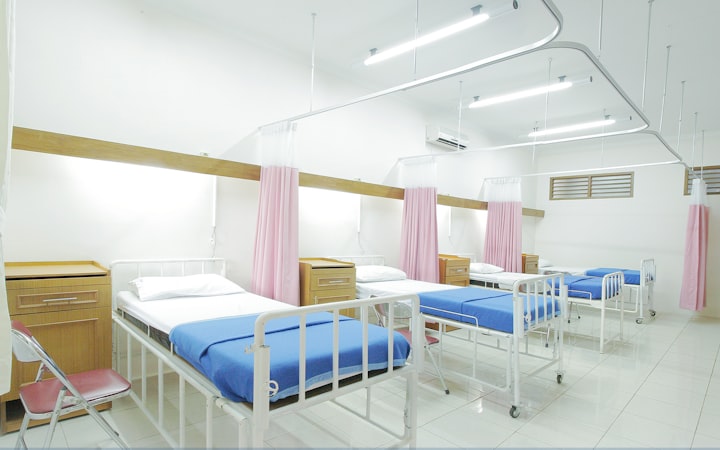
Through popular media today there are many ideas of what psychiatric hospitals are like. From dimly lit and dirty hallways lined with people in straight jackets and screaming that they want to kill you, to unwilling people being strapped down to beds and having injections forced upon them. Hollywood loves to portray psych hospitals as scary places where people get tortured or forced into things they don't want. But is that really what it's like? The short answer is no, that's not what it's like at all.
So what are they really like? Let's start at the beginning. The main reason people end up in a psych hospital is because they have been experiencing what's called d"suicidal ideation". This is basically the clinical term for having feelings of wanting to kill yourself. And a majority of the time the people feeling these things will voluntarily go in for help. Usually they'll go in to an emergency room, be placed under the surveillance of a security guard, and then visited by the on site psychiatrist who will determine what the best course will be for the patient. Once the psychiatrist determines that you are at risk of hurting yourself or someone else then they will put you on a 72 hour hold where you won't be allowed to leave. Then the staff will start trying to find you a place at a local psychiatric hospital. Sometimes this process takes just a few hours, sometimes it can take up to several days before something becomes available. Once they find you an available bed, you'll be transported from the emergency room to the facility by ambulance, and no, this isn't negotiable. You have to be taken there this way. One person will drive and the other will sit in the back with you. They'll ask you basic questions like "do you know what day it is?" and "do you know why you are here?" as well as take your vitals. (blood pressure, temperature, etc.)
Once you arrive, they'll wheel you inside. This is the point where you'll be forced to give up your phone, and all the rest of your items that came with you will be inspected to see if you'll be allowed to have them with you or not. If they decide you can't have them they will safely secure them in a private area that is under surveillance and is locked. But they will do their best to make sure you can have as many of your things as possible. You can have your own clothes and shoes, as long as they don't have any strings on them. (No shoelaces or tie strings) You can have your own books and blankets and pillows and just about anything else you can think to bring with you. Some hospitals will allow you to bring your own pens and pencils, while some might not. It just depends on the hospital's policies. The same goes for bringing your own bath and body products. But don't worry. They will provide you with any items like these you may need.
While the staff decide on your personal items, you'll have paperwork to fill out. They will go over what your rights are as a patient and then they'll do a full body check where they'll check for any cuts, burns, scars, or anything like that. This is just to make sure anything like that gets proper medical attention if needed, and to make sure you don't wrongly get accused of self harm while there.
Then they'll give you a tour of the facility and show you to your room. It's a plain room, but it serves it's function. There's usually 2 beds, one for you, one for your roommate. A bathroom with a curtain instead of a door for privacy, a few cabinets for you to store your items, and sometimes they might even have a desk and chair. The bed is plastic, and you won't be allowed any fitted sheets, so you'll have a top sheet covering the bed, a pillow, and a few blankets. You can always ask for more blankets as well.
Then they'll usually show you to the main room. This is where you'll probably spend a lot of your time. There's a tv, games, books, magazines, tables and chairs, and a snack station. Usually they'll have a refrigerator and a few drawers of snacks like juice boxes, fruit, graham crackers, and stuff like that. These you are allowed to have any time you want and as much as you want. And the patients are allowed to control the tv. Some hospitals even allow the patients to have a DVD player and to watch movies.
There will usually be a schedule of the activities posted somewhere in one of the common areas for everyone to see. All of the activities are voluntary, but the staff will strongly urge you to participate in most of them, which can sometimes be pretty annoying. These will be group sessions where they go over a certain topic and you'll be taught coping skills and techniques. Usually at some point they'll have an art session. Sometimes it's free where you are just given a bunch of art tools and be let to create whatever you want, other times they'll have one specific art project for the group to work on. They'll also usually have some sort of physical activity. Sometimes it's going to the hospital's gym, sometimes it's a yoga class, sometimes it's just a group where you move around in silly ways.
They'll also have regular meals provided by the cafeteria. 3 meals a day. You'll either be taken to the cafeteria or the meals will be brought to you. They're not usually the best, but not the worst either. Remember, it's hospital food. So imagine the type of food you'd get a regular hospital and you've got a pretty good idea of what to expect.
The hospital will also have visitor hours and a telephone you're free to use any time you want to call anyone you want. Sometimes the hospital will allow you to have visitors outside the normal visiting hours if the visitor has a good reason for not being able to come during regular visiting hours, such as not being able to leave work. And some hospitals will allow your visitors to bring you outside food. Usually it does have to be store bought food though, nothing home made. They don't want to risk someone getting drugged. (pot brownies, anyone?)
The staff will also do what are called rounds. This basically just means they will be going around checking where everyone is and what they're doing. You usually won't notice it too much during the day, but you'll notice it more at night. They won't be waking you up or anything, though. They'll just peek their head into your room to make sure you're asleep. And then every morning, or before every meal, they will take your vitals to make sure you aren't having any adverse reactions from your medications. And yes, you'll be put on medications. Usually though, the patients in psych hospitals are already on medications of some sort. But you'll meet with a psychiatrist while you're there who will discuss your illnesses and medications with you and you'll work as a team to come up with a medication regimen that you're comfortable with.
And usually hospitals are divided up into different wings. There will be one for the elderly, one for adolescents, one for adults, and one for the extremely ill, such as those with homicidal intent. But even the most dangerous of patients won't be put in straight jackets or have anything forced upon them. And you'll most likely never see anyone from another unit.
Once your initial 72 hour hold is done, you'll either be placed on a further hold, you'll be allowed to check in voluntarily, or they'll send you home. That's up to the hospital to decide what is best for you. Once you are released and ready to go back home, they'll help you pack up your stuff and you'll finally get your phone back. If possible you will be asked to have a family member or friend come pick you up, or the hospital will pay to have an Uber or Lyft take you home.
That's about it. See, it's not so bad to be in a psych hospital. It's basically just a hospital crossed with a hotel with stricter guidelines on the stuff you can bring with you. I hope this has helped you not be so afraid of psych hospitals.
About the Creator
Keep reading
More stories from writers in Psyche and other communities.
Who is your "Person"?
It's important to recognize that you cannot go through life as easily on your own. My name is Elizabeth and I'm a survivor of child abuse and horrific trauma. Healing from trauma is not a quick fix and recognizing that it will take time, is part of the struggle.
By Elizabeth Woods2 days ago in Psyche
A Knight of the Seven Kingdoms Series Review (Season 1)
As one of the biggest properties in fantasy, A Song of Ice and Fire remains immensely popular with audiences. After reaching far into the past with House of the Dragon, a second spin-off was on the cards. A Knight of the Seven Kingdoms serves up a bite-sized slice of action and drama, but it still claims a spot among the best small-screen titles.
By Robert Cain6 days ago in Geeks
Flower Bloom 369
FLOWER Bloom 2/25/26 Wednesday By Mariann Carroll Karen had been with Tony for 7 years. Tony started acting strangely after her surgery. He would mow the lawn in the rain and be on his cellphone. He started pushing Karen away. Tony came clean about seeing someone. Karen moved out two months later. Karen moved in with a friend. She felt betrayed.
By Mariann Carroll7 days ago in Fiction


Comments
There are no comments for this story
Be the first to respond and start the conversation.