
Overcoming Phobias: Cognitive Behavioral Therapy and Other Effective Treatments
Overcoming Phobias: Cognitive Behavioral Therapy and Other Effective Treatments
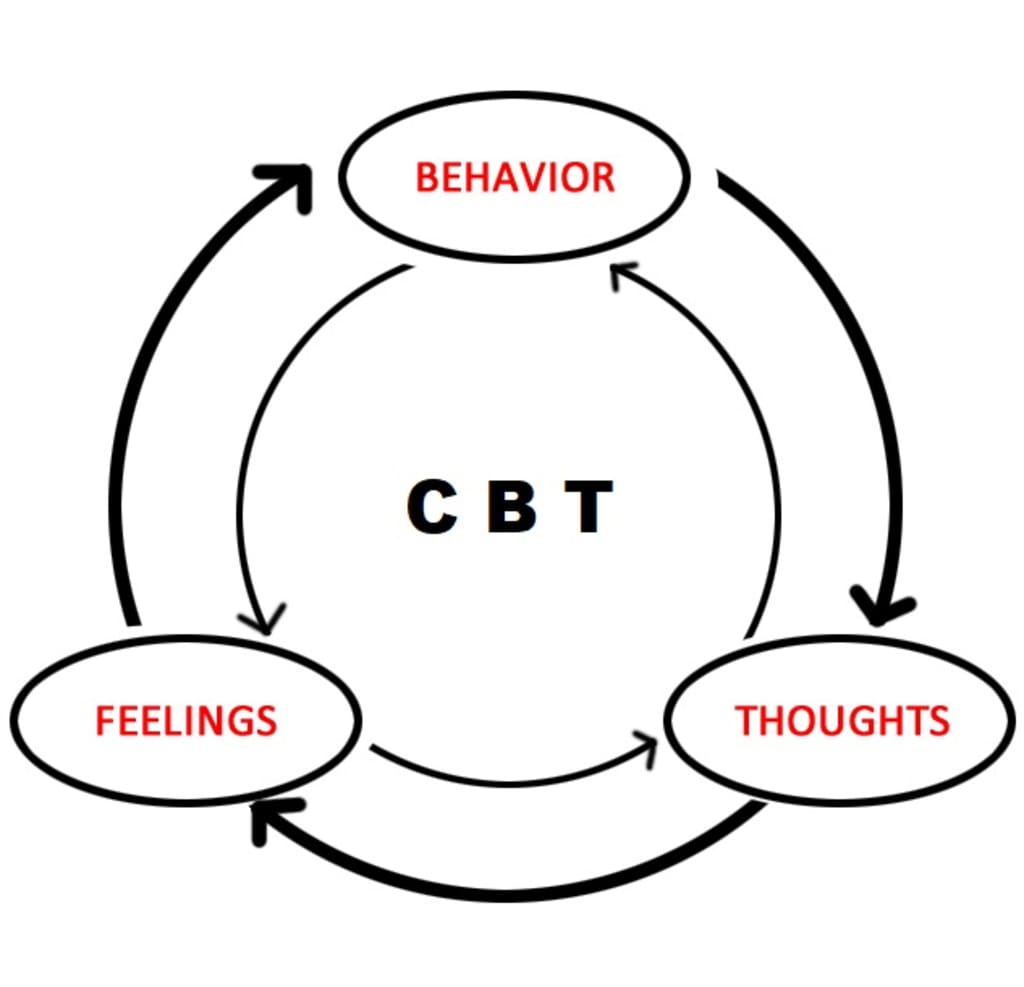
Phobias are a common type of anxiety disorder that affects millions of people worldwide. Phobias can range from the fear of spiders to the fear of public speaking. However, some individuals may experience phobias that are more specific to their condition, such as individuals with autism spectrum disorder (ASD) who may have unique fears and phobias. In this article, we will explore the topic of overcoming phobias, including cognitive-behavioral therapy (CBT) and other effective treatments. Additionally, we will discuss the question of whether autism is a learning disability.
Autism Spectrum Disorder and Phobias
Autism spectrum disorder (ASD) is a developmental disorder that affects communication, social interaction, and behavior. Individuals with ASD may also have unique fears and phobias that are specific to their condition. Some common fears and phobias in individuals with ASD include:
- Fear of loud noises
- Fear of unfamiliar people or situations
- Fear of certain textures or fabrics
- Fear of changes in routine or schedule
- Fear of specific objects or animals
While fears and phobias are common in individuals with ASD, they can have a significant impact on the individual's quality of life. Phobias can cause anxiety, panic attacks, and avoidance behavior that can limit an individual's ability to participate in daily activities.
Cognitive-Behavioral Therapy (CBT) for Phobias
Cognitive-behavioral therapy (CBT) is a type of talk therapy that has been proven to be effective in treating anxiety disorders, including phobias. CBT is based on the premise that thoughts, feelings, and behaviors are interconnected and can influence one another. CBT aims to identify negative thought patterns and behaviors that contribute to anxiety and phobias and replace them with more positive ones.
CBT for phobias typically involves exposure therapy, which involves gradually exposing the individual to the feared object or situation while teaching them coping strategies to manage their anxiety. Exposure therapy can be done in a controlled setting with a therapist, or it can be done independently using virtual reality technology.
Other Effective Treatments for Phobias
In addition to CBT, there are other effective treatments for phobias, including:
- Mindfulness-based therapies
- Hypnotherapy
- Medications such as anti-anxiety drugs and beta-blockers
- Desensitization therapy
It is important to note that the effectiveness of each treatment may vary from person to person, and it is essential to work with a qualified healthcare professional to determine the best course of treatment.
Is Autism a Learning Disability?
While autism spectrum disorder (ASD) affects communication and social interaction, it is not considered a learning disability. Learning disabilities are defined as conditions that affect an individual's ability to acquire specific academic skills, such as reading or math. While individuals with ASD may have difficulty with certain academic skills, they typically do not have a generalized learning disability.
However, individuals with ASD may benefit from additional support and accommodations in the academic setting to help them succeed. This may include modifications to the learning environment, specialized instruction, and assistive technology.
In conclusion, fears and phobias are common in individuals with autism spectrum disorder (ASD) and can have a significant impact on their quality of life. Cognitive-behavioral therapy (CBT) and other effective treatments, such as mindfulness-based therapies and medication, can help individuals with phobias manage their anxiety and improve their quality of life. While ASD is not considered a learning disability, individuals with ASD may benefit from additional support and accommodations in the academic setting to help them succeed.
It is also important to note that individuals with ASD may require specialized treatment approaches, including those that take into account their unique sensory processing and communication needs. For example, some individuals with ASD may have difficulty with verbal communication and may benefit from alternative forms of communication, such as visual supports or augmentative and alternative communication (AAC) devices.
About the Creator
Keep reading
More stories from Mental Health Blogs and writers in Psyche and other communities.
Social Anxiety and Substance Abuse: The Link Between the Two
Social anxiety and substance abuse are two separate conditions that often occur together. Social anxiety is an extremely intense or nervous feeling in social situations, while substance abuse is the compulsive use of drugs or alcohol despite negative consequences. When these two conditions co-occur, it can be a vicious cycle, where social anxiety leads to substance abuse, and substance abuse worsens social anxiety. Understanding the link between these two conditions can help people seek the right treatment and overcome their challenges.
By Mental Health Blogs3 years ago in Psyche
Top tipple tricks
Been thinking a lot about drinking, lately. Not least because of a recent episode of over-indulgence and the inevitable after effects. Some readers may recall the earlier articles I wrote about beating the booze. Here I set out an experiment in techniques for cutting down on my alcohol intake. The experiment was successful, the techniques worked, and I have armed myself with an arsenal of weapons in the war against the demon drink. I have yet to fire the first round however. It's all a question of timing (perhaps procrastination).
By Raymond G. Taylor3 days ago in Psyche
TV Quiz Show Brain-Rot
I might expand on this soon, but I need you to understand this... *** We've often seen that social media's infinite scrolling and slot-machine style refreshers are based upon the methods implemented by casinos in order to keep us playing the game (or in their case, using the application). But what we do not discuss often enough is how these same casino-like situations are implemented by television in order to keep us paying attention to the screen.
By Annie Kapur6 days ago in Psyche
The Politics of Playing Dress-Up
Well, to start off I'd like to say a happy world book day to all who celebrate. I know I haven't really posted anything on my socials about it but I'm not a jubilant kind of person. I lay low most of the time. Let's start off with a popular anecdote from the vaults...
By Annie Kapur7 days ago in Geeks




Comments
There are no comments for this story
Be the first to respond and start the conversation.