
Online Therapy For Dementia
A dementia diagnosis can be overwhelming. However, with an early intervention, the symptoms can be treated or controlled.
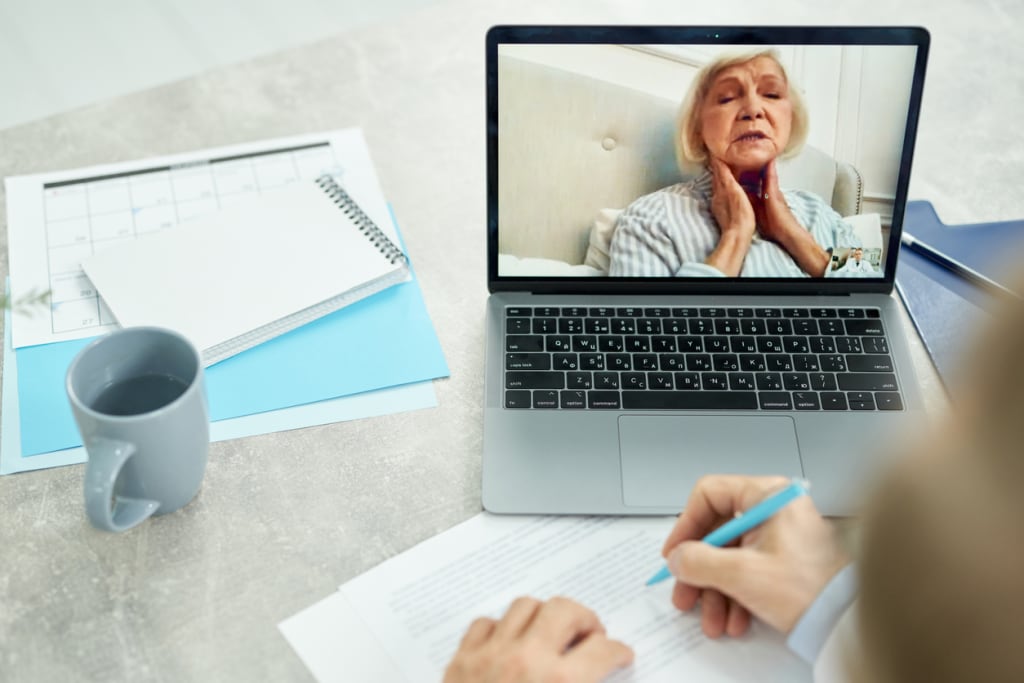
The difficulties my grandmother faced during the early stages of dementia have convinced me that it is of utmost importance to care for and support dementia patients. Like many, we also thought my grandmother’s forgetting things like keys and our name to call was a normal part of ageing.
However, over time, the situation worsened in terms of communication, and she even changed the subject in the middle of our conversation. These were signs that something was wrong. This needs immediate medical intervention. It was a very sad day when we got confirmation from the doctor that she had dementia.
Although the initial diagnosis was sufficient to fill our family with doubts and worries, Geriatric Neuropsychiatrist Dr. Valeria Serban reassured us about dementia, making us realise that her condition is in an early stage and reversible. Let’s understand dementia in detail.
Dementia: More than just forgetfulness
Dementia is not just about forgetfulness or losing things like keys or getting confused with neighbours’ names. It is a broad term that refers to a decline in cognitive functioning. This condition is so severe that it significantly interferes with the daily lives of patients. It may include some manifestations such as memory changes, thinking problems, behavioral changes, and difficulty in performing activities of daily living.
There are two types of Dementia:
1. Irreversible Dementia:
Although irreversible dementia is caused by abnormal brain activity resulting from brain injuries, its progression can be delayed with the right diagnosis and treatment. The types of irreversible dementia are as follows.
- Alzheimer’s disease (the most common type)
- Vascular dementia
- Lewy body dementia
- Frontotemporal dementia
2. Reversible Dementia
Some conditions show dementia-like symptoms, but they can be reversible if the patient gets proper treatment. The causes include the following:
- Vitamin deficiencies (especially vitamin B12)
- Thyroid problems
- Depression
- Side effects of medications
- Substance abuse
- Infections
Symptoms that you might think are early signs of irreversible dementia may actually be a completely treatable condition. That is why it is essential to know an early and accurate diagnosis.
Online Dementia Treatment
Thinking, how is it possible that an e-screen removes the human aspect from the care process? However, we have witnessed many benefits thanks to COVID-19. Let’s understand this with my grandma's treatment example. Online dementia treatment has the following benefits:
- Comfort: My grandma can attend her sessions from the comfort of her favorite chair at home.
- Convenience: No more stressful car trips to appointments.
- Access to specialists: We found a Geriatric Neuropsychiatrist, Dr. Valeria Serban, who specializes in cases like hers.
- Family involvement: It becomes easier for us to attend a psychiatrist's appointments and get guidance.
- Timely intervention: Changes in health status in grandma were promptly noticed and assessed, resulting in improved dementia progression.
- Continuity of care: More frequent check-ins and adjustments to my grandma's care plan.
What online dementia care looks like
The online care plan my grandmother is following has six important parts:
1. Comprehensive assessment:
Dr. Serban conducted various cognitive assessments and checked the results of my grandma's medical history.
Key points of the dementia diagnosis process:
- Medical record check and physical examination
- The history of symptoms, their stage, and their impact on the patient's daily life are descriptive.
- Evaluation of cognitive function, memory, attention, language, and problem-solving skills
- Complete medical history (which includes the person's claims and medical observations) or standardized tests such as the Mini-Mental State Examination (MMSE) will be used.
- Other tests (such as MRI or full body scan) are performed to identify different factors.
- Study of possible drug side effects and vascular factors
- Emphasis on differential diagnosis to rule out conditions such as dementia
- Focus on screening tests and treatment options
It is important to remember that mild cognitive decline is very common in individuals over the age of sixty-five, and mild cognitive decline does not qualify for a diagnosis of dementia. A diagnosis of dementia can only be made if underlying medical conditions have been excluded, and the cognitive decline is progressive and persists for more than three months.
2. Customized treatment plan:
Through my grandmother's recent test results, cognitive assessments, and medical history of medication, Dr Serban planned a treatment plan that included:
- Cognitive stimulation therapy
- Medication
- Physical exercises
- Social interaction programs
- Atherosclerosis treatments are used to control cardiovascular risk factors
- Metabolic disorders are regulated through the management of metabolic problems
- Nutritional deficiency interventions
3. Medication management:
From time to time, Dr. Valeria Serban modified my grandma's medications, taking into account the potential benefits and any adverse drug effects.
4. Brain-activating activities:
Dr. Valeria Serban suggested a variety of activities that are used to help maintain my grandma's cognitive abilities:
- Memory games (which have become a fun family activity)
- Gentle exercise
- Dietary changes
- Better sleep habits
5. Support for our caregivers:
Dr. Valeria Serban offered practical suggestions for our caregiver:
- Understanding the progression of dementia
- Techniques for coping with challenging behaviors
- Resources for caregiver support groups
6. Regular checkups:
Online sessions are often held to discuss the effectiveness of treatment and address all concerns my grandma has during the treatment process.
Quality Geriatric Psychiatric Care: A New Era In the Digital World
Turning to online therapy has brought significant changes to my grandmother’s and our lives. Moreover, the presence of online therapy has given us a lot of energy, comfort, and continuity of care, which were important aspects of our journey battling a disease like dementia.
Indeed, online treatment of dementia has proved to be a major step forward during COVID-19. In this journey of distancing from each other, telemedicine found new ways to care for and support people affected by dementia.
Furthermore, by leveraging digital technology within existing systems, telemedicine successfully navigated the pandemic by addressing challenges, offering psychotherapy, and employing narrative therapy. Phone and video-conferencing therapy in the presence of a psychiatrist, the use of virtual chat rooms for group therapy, remote monitoring of home activities, and participating in online cognitive exercises in clients’ homes were new ways in which psychological services were provided to clients.
Of course, it has been proven that the use of web-based technology has benefited not only clients but also their family members. This, in fact, is a benefit to the effectiveness of digital therapy. The only difference is that one is virtual and the other is physical.
For families like mine, who have elders dealing with dementia, I highly recommend them to try an online therapy routine for mind healing.
To learn more information about dementia treatment, visit https://gabapsychiatrist.com/dementia-treatment/ or call +1(833)312-4222.
About the Creator
Neha
Writer & mental health advocate. I have overcome anxiety & embraced my introverted nature. As a person, I consider my mental health as important as my physical health.
I was in a Toxic Relationship, with my Workplace
“You got that?” My ex yelled. His hands were balled into fists at his side. At six foot three, he towered over me. A normal person would have been afraid, but I looked up a video of George Lopez repeatedly saying, “I got this,” and showed it to him. I had grown used to this treatment, so much so that I didn’t blink when he ripped the phone from my hand and threw it across the room.
By Jade M.5 days ago in Confessions



Comments
There are no comments for this story
Be the first to respond and start the conversation.