
Navigating Life's Heartaches: Coping with Loss and Breakups
Navigating Life’s Toughest Moments: Coping with Funerals and Breakups
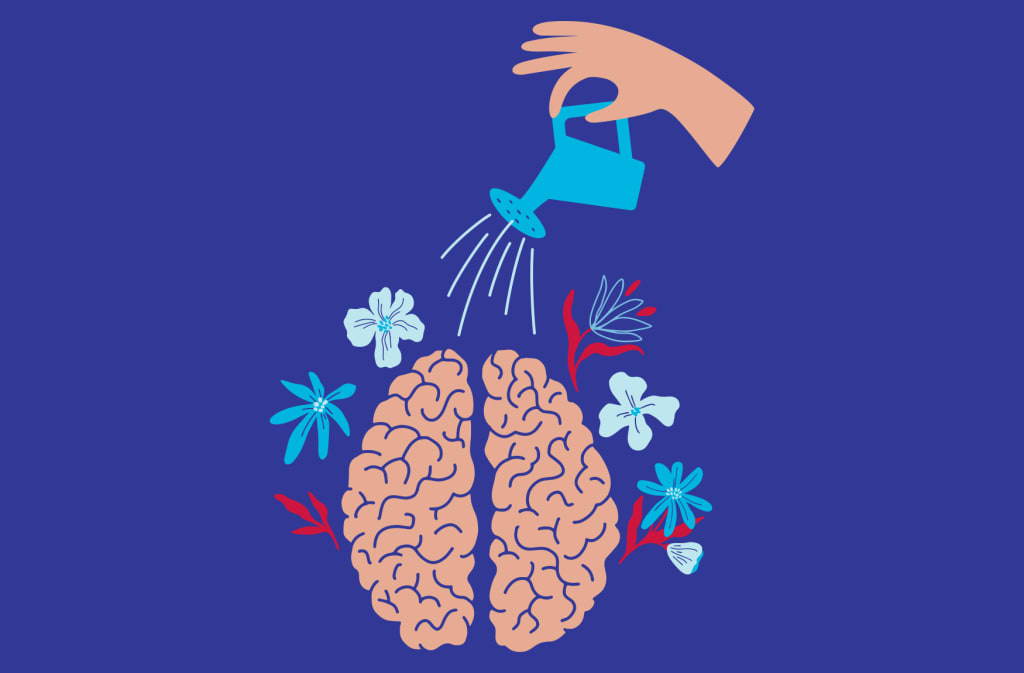
Navigating Life’s Toughest Moments: Coping with Funerals and Breakups
Life is filled with moments of joy, celebration, and happiness, but it also comes with its fair share of pain and heartache. Two of the most challenging experiences many people face are the loss of a loved one through death and the end of a significant relationship through a breakup. These events can leave you feeling lost, overwhelmed, and unsure of how to move forward. This comprehensive guide will help you navigate these tough times and find a path to healing and resilience.
#### Understanding Grief and Loss
Grief is a natural response to loss. It’s a deeply personal and often complex process that varies significantly from person to person. The intensity and duration of grief can be influenced by many factors, including the nature of the relationship, the circumstances of the loss, and your personal coping mechanisms.
##### Common Stages of Grief
Elisabeth Kübler-Ross's model outlines five stages of grief: denial, anger, bargaining, depression, and acceptance. It's important to remember that these stages are not linear and can occur in any order, often overlapping.
- **Denial**: A common initial reaction is to deny the reality of the loss. This is a defense mechanism that buffers the immediate shock.
- **Anger**: As the denial fades, the pain re-emerges, often expressed as anger. This anger can be directed at yourself, others, or even the person who has passed away or left.
- **Bargaining**: In this stage, you might find yourself making “deals” or promises in hopes of reversing the loss. This is a way to regain control.
- **Depression**: When the reality sets in, it’s normal to feel deep sadness and despair. This stage can be the most challenging and often the longest.
- **Acceptance**: Eventually, you may find a way to come to terms with the loss. Acceptance doesn’t mean you’re “over it,” but you can find a way to move forward.
#### Coping with the Loss of a Loved One
Losing a loved one is one of the most painful experiences imaginable. Here are some strategies to help you cope with the grief and find a way to live with the loss.
##### Allow Yourself to Grieve
Grieving is a personal process that has no set timeline. Allow yourself to feel whatever you need to feel without judgment.
- **Acknowledge Your Pain**: Don’t try to suppress your emotions. Cry if you need to, talk about your loved one, and express your feelings.
- **Seek Support**: Surround yourself with friends and family who can provide emotional support. Consider joining a support group where you can share your experiences with others who are going through similar losses.
- **Take Care of Yourself**: Grief can take a physical toll. Ensure you’re eating well, getting enough sleep, and exercising. Avoid alcohol and drugs as a way to cope.
##### Create a Memorial
Finding ways to honor and remember your loved one can provide comfort and help you process your grief.
- **Create a Tribute**: This could be a scrapbook, a photo album, or a memorial service. Sharing stories and memories can be healing.
- **Engage in Rituals**: Lighting a candle, visiting their favorite places, or celebrating their birthday can keep their memory alive.
- **Give Back**: Consider volunteering or making a donation in their name. Doing something positive in their honor can be fulfilling.
#### Coping with a Breakup
A breakup can feel like the end of the world, especially if the relationship was long-term or deeply meaningful. Here’s how to navigate through the emotional turmoil and start to rebuild your life.
##### Allow Yourself to Mourn
Much like the loss of a loved one, the end of a relationship requires a period of mourning.
- **Accept Your Feelings**: It’s normal to feel a range of emotions from sadness to anger. Allow yourself to experience these feelings without self-criticism.
- **Limit Contact**: Immediately after a breakup, it can be helpful to limit contact with your ex-partner to give yourself time to heal.
##### Rebuild Your Identity
When a relationship ends, it’s common to feel like you’ve lost a part of yourself. Rebuilding your identity is a crucial step in the healing process.
- **Rediscover Your Interests**: Engage in hobbies and activities that you enjoy. This can help you reconnect with yourself and find joy outside of the relationship.
- **Set New Goals**: Use this time to reflect on what you want in your life moving forward. Setting new personal and professional goals can give you a sense of purpose and direction.
##### Lean on Your Support System
Don’t be afraid to ask for help from friends and family. They can offer a listening ear, distraction, and even practical support.
- **Talk It Out**: Share your feelings with trusted friends or family members. Sometimes just talking about what you’re going through can provide relief.
- **Seek Professional Help**: If you’re finding it difficult to cope, consider speaking to a therapist. Professional guidance can offer new perspectives and coping strategies.
#### Finding Meaning and Moving Forward
Both funerals and breakups signify endings, but they also mark the beginning of a new chapter in your life. Finding meaning in these experiences can help you move forward.
##### Reflect and Learn
Take time to reflect on what the relationship meant to you and what you learned from it.
- **Understand the Lessons**: Every relationship and loss teaches us something. Reflect on the positive aspects and the challenges, and consider how they can inform your future relationships and personal growth.
- **Embrace Change**: Change is a natural part of life. Embracing it rather than resisting it can lead to new opportunities and experiences.
##### Cultivate Resilience
Resilience is the ability to bounce back from adversity. Developing this trait can help you handle future challenges more effectively.
- **Practice Self-Compassion**: Be kind to yourself. Understand that healing takes time and that it’s okay to have setbacks.
- **Stay Connected**: Maintain your social connections. Relationships with friends and family can provide support and stability.
- **Focus on Gratitude**: Cultivate a practice of gratitude. Even in difficult times, finding things to be thankful for can shift your perspective and improve your mood.
#### Conclusion
Coping with the loss of a loved one or the end of a relationship is never easy. It’s a journey that requires patience, self-compassion, and effort. By allowing yourself to grieve, seeking support, and focusing on self-care, you can navigate these tough times and find a path to healing. Remember that it’s okay to ask for help and that you don’t have to go through this alone. With time and perseverance, you can emerge from these experiences stronger and more resilient.
About the Creator
Keep reading
More stories from Mbeha maliwa and writers in Psyche and other communities.
How to Heal from Heartbreak: A Comprehensive Guide to Moving On
### How to Heal from a Lost Lover: A Comprehensive Guide The end of a relationship can be one of the most challenging experiences in life. Whether the breakup was mutual, sudden, or long-anticipated, the pain of losing someone you love can feel overwhelming. Healing from this loss is a journey that takes time, self-compassion, and effort. Here’s a comprehensive guide to help you navigate through this difficult period and emerge stronger.
By Mbeha maliwa 2 years ago in Psyche
TV Quiz Show Brain-Rot
I might expand on this soon, but I need you to understand this... *** We've often seen that social media's infinite scrolling and slot-machine style refreshers are based upon the methods implemented by casinos in order to keep us playing the game (or in their case, using the application). But what we do not discuss often enough is how these same casino-like situations are implemented by television in order to keep us paying attention to the screen.
By Annie Kapur4 days ago in Psyche



Comments
There are no comments for this story
Be the first to respond and start the conversation.