
Mental Health Awareness
Coping Strategies for Anxiety

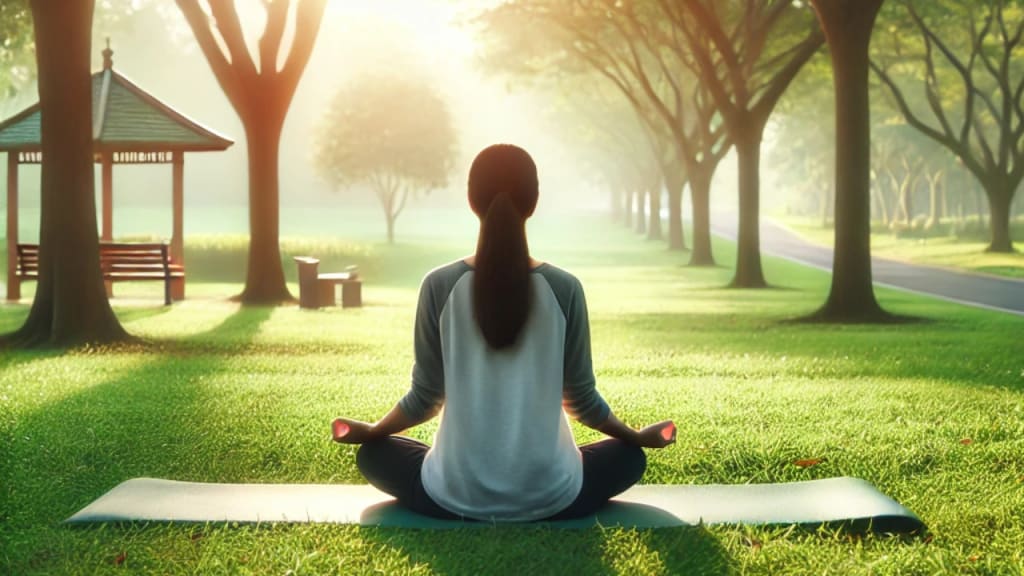
Anxiety is one of the most common mental health issues affecting people worldwide. According to the World Health Organization (WHO), around 264 million people globally experience anxiety disorders, making it a prevalent concern. While occasional anxiety is a normal part of life, persistent or overwhelming anxiety can interfere with daily activities. It’s crucial to explore effective coping strategies that can help manage anxiety and improve mental well-being.
In this article, we’ll explore practical coping strategies for managing anxiety. These techniques can help reduce anxiety symptoms and provide tools for leading a more balanced and peaceful life.
1. Understanding Anxiety
Before diving into coping strategies, it’s essential to understand what anxiety is. Anxiety is the body’s natural response to stress or danger. It triggers the “fight or flight” response, which can be helpful in situations requiring immediate attention, like avoiding a car accident. However, when this response is triggered too often or without any real threat, it leads to excessive worry, restlessness, and physical symptoms such as rapid heartbeat, sweating, and difficulty breathing.
There are several types of anxiety disorders, including generalized anxiety disorder (GAD), panic disorder, social anxiety disorder, and phobias. Each type of anxiety presents differently, but they all involve an excessive fear or worry that interferes with daily life.
Lesson: Recognizing anxiety as a natural response is the first step toward managing it. By understanding anxiety, we can better approach how to cope with it.
2. Breathing Exercises
One of the most effective and immediate coping strategies for anxiety is practicing breathing exercises. Anxiety often causes rapid, shallow breathing, which can intensify feelings of panic or stress. Breathing exercises help regulate the body’s oxygen levels, calm the nervous system, and reduce the physical symptoms of anxiety.
One popular technique is deep diaphragmatic breathing, which involves inhaling deeply through the nose, allowing the diaphragm (not the chest) to expand, and exhaling slowly through the mouth. This method slows the heart rate and creates a sense of calm.
Here’s a simple breathing exercise to try:
Sit or lie down in a comfortable position.
Place one hand on your chest and the other on your stomach.
Inhale slowly through your nose for four counts, feeling your stomach rise.
Hold your breath for four counts.
Exhale slowly through your mouth for four counts.
Repeat this cycle for several minutes, focusing on your breath.
Lesson: Breathing exercises are a simple yet powerful way to reduce anxiety and regain control during stressful moments.
3. Mindfulness and Meditation
Mindfulness is the practice of staying present in the moment without judgment. It encourages individuals to observe their thoughts and feelings without trying to change or suppress them. Mindfulness has been shown to reduce anxiety by helping people detach from overwhelming thoughts and focus on the present.
Incorporating mindfulness into daily life can be as simple as focusing on sensory experiences, like the taste of your food, the feeling of water during a shower, or the sounds in your environment. By staying grounded in the moment, individuals can prevent their minds from spiraling into anxious thoughts about the future.
Meditation, a practice often associated with mindfulness, is another effective way to manage anxiety. Even short, daily meditation sessions can help reduce symptoms. There are various forms of meditation, including guided meditation, body scan meditation, and loving-kindness meditation. Apps like Headspace and Calm offer guided meditation sessions specifically designed to reduce anxiety.
Lesson: Mindfulness and meditation can help interrupt the cycle of anxious thoughts and promote a sense of calm.
4. Cognitive Behavioral Therapy (CBT) Techniques
Cognitive Behavioral Therapy (CBT) is one of the most effective therapeutic approaches for treating anxiety. CBT focuses on identifying and challenging negative thought patterns that contribute to anxiety. By changing these patterns, individuals can reduce the intensity and frequency of their anxious thoughts.
One common CBT technique is cognitive restructuring. This involves recognizing irrational or unhelpful thoughts and replacing them with more balanced, rational ones. For example, if someone is anxious about giving a presentation and thinks, “I’m going to mess up, and everyone will think I’m incompetent,” cognitive restructuring would encourage them to challenge that thought. They might replace it with, “I’ve prepared for this presentation, and even if I make a mistake, it doesn’t define my abilities.”
Lesson: Cognitive Behavioral Therapy techniques empower individuals to take control of their thoughts and manage anxiety more effectively.
5. Exercise and Physical Activity
Regular physical activity is one of the best natural remedies for anxiety. Exercise releases endorphins, chemicals in the brain that act as natural mood lifters. It also reduces levels of cortisol, the body’s stress hormone, and promotes better sleep, which is often disrupted by anxiety.
Activities like walking, running, swimming, or yoga can all have positive effects on anxiety. Yoga, in particular, combines physical movement with mindfulness and controlled breathing, making it an ideal practice for those experiencing anxiety.
The key is to find a physical activity that you enjoy, as this will make it easier to stick with it in the long term.
Lesson: Exercise is a powerful tool in reducing anxiety, improving mood, and promoting overall mental health.
6. Journaling
Writing about your thoughts and feelings in a journal can be an incredibly effective way to process anxiety. Journaling allows you to externalize your worries, making them feel more manageable and less overwhelming. It also helps you identify patterns in your thinking that contribute to anxiety.
One helpful journaling technique is the “worry journal.” In this practice, individuals set aside time each day to write down their worries. The act of writing them down gives the worries less power, and limiting worrying to a specific time can prevent anxious thoughts from taking over the entire day.
Another technique is gratitude journaling, where individuals write down things they are thankful for. Focusing on positive aspects of life can help shift attention away from anxious thoughts and promote a more optimistic outlook.
Lesson: Journaling helps process emotions, provides clarity, and reduces the impact of anxious thoughts.
7. Seeking Professional Help
While coping strategies can be highly effective, there are times when anxiety becomes too overwhelming to manage alone. Seeking help from a mental health professional, such as a therapist or counselor, is a critical step in these cases. Therapy can provide individuals with tailored strategies and a supportive environment to work through their anxiety.
In some cases, medication may also be prescribed to help manage anxiety. Common types of medication include selective serotonin reuptake inhibitors (SSRIs) and benzodiazepines. However, medication should be considered alongside therapy and lifestyle changes for the best results.
Lesson: When anxiety interferes with daily functioning, seeking professional help can provide relief and guide individuals toward long-term recovery.
8. Creating a Support System
Having a strong support system can make a world of difference in managing anxiety. Friends, family members, or support groups provide emotional support, encouragement, and a sense of belonging. Simply talking to someone about your feelings can ease the burden of anxiety and help you gain perspective.
Online support communities and local mental health organizations also offer valuable resources for those struggling with anxiety. Whether it’s through in-person meetings or virtual forums, connecting with others who share similar experiences can reduce feelings of isolation and provide a safe space for discussion.
Lesson: No one has to face anxiety alone. Building a supportive network is essential for long-term mental health and well-being.
In conclusion, managing anxiety is an ongoing process that requires a combination of self-care practices, coping strategies, and, when necessary, professional support. Whether through mindfulness, exercise, therapy, or a strong support system, there are numerous ways to reduce anxiety and lead a healthier, more balanced life.
About the Creator
Stephen Cool
Stephen Cool is a dedicated writer with a passion for storytelling that captivates and inspires. With a background in English literature, fueled by an insatiable love for books and a knack for weaving words into compelling narratives.
Keep reading
More stories from Stephen Cool and writers in Psyche and other communities.
Personal Growth Journeys
Life is full of challenges—sometimes, they’re small, like a bad day at work; other times, they’re monumental, like losing a job, struggling with mental health, or facing personal setbacks. These obstacles, however difficult, often present opportunities for growth and self-discovery. In the end, it’s not the obstacles themselves but how we overcome them that defines us. This story explores key lessons from personal growth journeys, shedding light on the universal truths behind navigating life’s hardest moments.
By Stephen Coolabout a year ago in Psyche
Top tipple tricks
Been thinking a lot about drinking, lately. Not least because of a recent episode of over-indulgence and the inevitable after effects. Some readers may recall the earlier articles I wrote about beating the booze. Here I set out an experiment in techniques for cutting down on my alcohol intake. The experiment was successful, the techniques worked, and I have armed myself with an arsenal of weapons in the war against the demon drink. I have yet to fire the first round however. It's all a question of timing (perhaps procrastination).
By Raymond G. Taylor3 days ago in Psyche
How Inpatient Dual Diagnosis Treatment Can Transform Your Life
Living with both a mental health disorder and a substance use disorder can feel overwhelming and isolating. When these conditions occur together often referred to as dual diagnosis they can create complex challenges that make recovery more difficult without specialized care. Many individuals find that traditional treatment methods do not fully address both issues at the same time.
By Jordan Blakeabout 21 hours ago in Psyche




Comments
There are no comments for this story
Be the first to respond and start the conversation.