
Loneliness is a strong emotion.
Understanding the Silent Struggle Millions Face Daily—and How to Reconnect in a Disconnected World
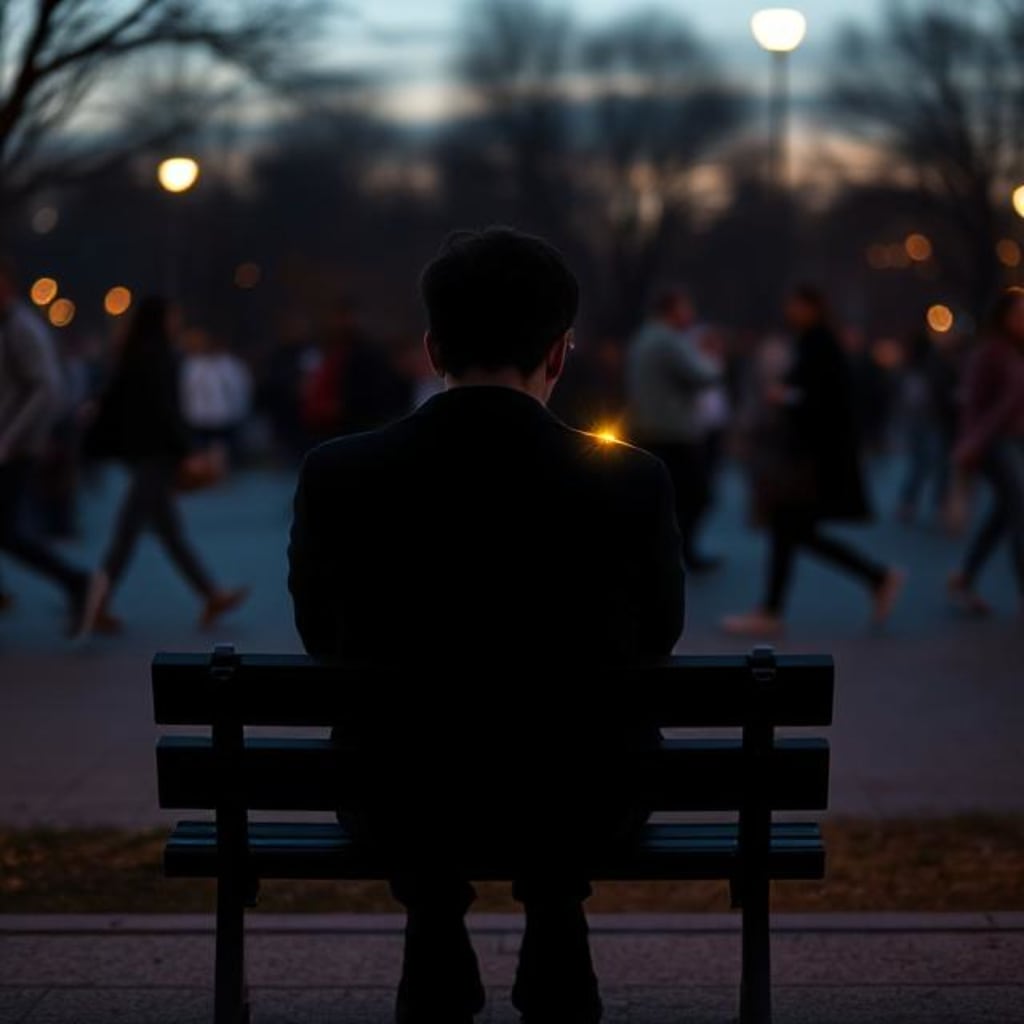
At first glance, loneliness might seem like a temporary emotion—a fleeting feeling that hits when you’re by yourself on a rainy Sunday or during a quiet night when everyone else seems to be out having fun. But loneliness is far more complex and far more powerful than most people realize. It is not just an absence of people; it is the absence of connection. And in today’s hyper-connected, yet emotionally distant world, loneliness has quietly grown into a silent epidemic.
This article explores the science, psychology, and personal impact of loneliness—and most importantly, how we can begin to address it.
The Hidden Epidemic
In 2018, the UK appointed a Minister of Loneliness after studies revealed that over 9 million Brits often or always felt lonely. In the U.S., a 2023 report by the U.S. Surgeon General declared loneliness and social isolation a public health crisis, warning that they increase the risk of premature death to levels comparable to smoking 15 cigarettes a day.
Let that sink in.
Loneliness isn’t just sad. It’s deadly.
We now live in a world more connected than ever by technology—social media, messaging apps, 24/7 online communities—yet people report feeling more isolated than in any previous generation.
What Exactly Is Loneliness?
Loneliness isn’t the same as being alone. Solitude can be healthy—even necessary—for creativity, self-reflection, and peace.
But loneliness is the perceived gap between the social connections you have and the ones you want. You can feel lonely in a room full of people, even surrounded by friends, if you feel misunderstood or emotionally disconnected.
There are three types of loneliness:
Emotional loneliness – The absence of a close confidant or intimate partner.
Social loneliness – A lack of a broader social network or circle.
Existential loneliness – A deep feeling of isolation from life itself, often associated with depression or a crisis of meaning.
The Psychological and Physical Impact
Loneliness doesn’t just “feel bad”—it impacts your body and brain:
Stress Hormones: Loneliness triggers cortisol production, raising blood pressure and inflammation.
Cognitive Decline: Long-term loneliness is linked to memory loss, poor sleep, and increased risk of dementia.
Mental Health: It feeds depression, anxiety, and can even lead to suicidal thoughts.
Addiction & Risky Behavior: Lonely individuals are more likely to self-medicate with drugs, alcohol, or overeat.
Dr. Vivek Murthy, U.S. Surgeon General, has said that loneliness is “a profound threat to our health and well-being.” It’s not just a personal issue—it’s a societal one.
Why Are We More Lonely Than Ever?
There are several cultural and technological factors driving this epidemic:
1. Social Media Illusion
We scroll through curated highlight reels of other people's lives and feel inadequate by comparison. Despite having hundreds of “friends,” our digital interactions are often shallow. Likes are not love. Comments are not connection.
2. Decline in Face-to-Face Interaction
Work-from-home culture, urban isolation, and even fear of vulnerability have made real-world conversations rare. It’s easier to text than talk—but less satisfying.
3. Individualism and Hustle Culture
Society glorifies independence, productivity, and success. Needing people is wrongly seen as weakness. We’re taught to “focus on ourselves” even if that means emotionally starving.
4. Life Transitions
Major life events like moving to a new city, divorce, job loss, or losing a loved one often leave people without a strong support system—and no guidance on rebuilding one.
Real Stories from the Quiet Corners
Sami, 32, moved to a new country for a tech job. “I go days without talking to anyone face-to-face. I didn't think it would be this hard to make friends as an adult.”
Nadia, 65, lost her husband to cancer. “The house is quiet. My kids have lives of their own. I feel invisible.”
Jay, 19, has 20k followers on TikTok. “I get hundreds of comments. But when I’m sad or anxious, there’s no one I can actually talk to.”
These stories are far too common. And they reflect what most people are too afraid to admit: that loneliness doesn’t discriminate by age, status, or success.
How to Cope—and Connect
So what do we do about loneliness?
Here are scientifically backed strategies to combat the emotional weight of isolation:
1. Name It to Tame It
Admit when you’re lonely. Shame thrives in silence. Journaling, therapy, or just talking to a trusted friend can start the healing process.
2. Quality Over Quantity
You don’t need a hundred friends. You need a few meaningful ones. Focus on depth of connection, not breadth of contact.
3. Build Micro-Connections
Smile at the barista. Chat with your neighbor. Small, everyday interactions matter more than we think and boost oxytocin—the bonding hormone.
4. Volunteer or Join a Group
Shared purpose creates connection. Whether it’s a book club, community garden, or online gaming team, find people who share your interests.
5. Limit Passive Scrolling
Use social media actively. Comment meaningfully. Message people. Better yet, use it to schedule in-person meetups.
6. Get Professional Help
Sometimes loneliness is a symptom of deeper issues—depression, trauma, anxiety. Therapy is not weakness; it’s strategy.
7. Create Your Own Tribe
If you can’t find a group—start one. Host a weekly dinner, start a meetup, or organize a virtual coffee chat.
The Loneliness of Success
Here’s something that doesn’t get talked about: successful people can be deeply lonely. Entrepreneurs, creatives, executives—many suffer in silence. The pressure to “keep it all together” often means they don't reach out.
If that’s you, remember: humans were never meant to carry the weight of life alone.
Loneliness Can Be Transformed
The truth is, loneliness can be a signal—not a sentence. It’s your heart telling you that something needs to change. That you crave deeper connection. That you matter, and you’re meant for love and community.
Many who’ve walked through loneliness come out the other side with stronger empathy, better relationships, and greater purpose.
Final Thoughts
Yes, loneliness is a strong emotion. It’s real, it hurts, and left unchecked, it can destroy your mental and physical health.
But it can also be the beginning of something powerful.
When you name it, face it, and take even one small step toward others, you start the journey back to yourself—and to the people waiting to meet the real you.
Because you’re not alone.
You never were.
About the Creator
Keep reading
More stories from Hamza Habib and writers in Psyche and other communities.
"I Hate This Beloved Movie—And Here’s Why"
I remember sitting in that overpacked theater, the crowd buzzing with excitement, fans wearing T-shirts of the movie’s characters, chattering about how many times they had seen it already. It wasn’t opening night, but the energy inside felt like it. Friends had dragged me here, practically forcing the ticket into my hand, saying things like, “You haven’t seen it yet? Oh my God, you’re going to LOVE it!”
By Hamza Habib8 months ago in Psyche
Who Do You Look Up To?
My name is Elizabeth, and I am a survivor of sexual abuse and trauma. I endured things, terrible things when I was growing up. I was just a young sprout, but my lack of years and stature, failed to tell everyone what I had already lived through and seen with my young eyes.
By Elizabeth Woods7 days ago in Psyche
Pearl
1980 something. we all hung out at Pearl and you and i were nothing special, or so i thought. i mean we all danced, drenched in our own sweat, our own saline solution of fear, too many beers, shots, laughter, tears, fucks in the bathroom and i don't know when we began to be afraid. do you?
By ROCK aka Andrea Polla (Simmons)6 days ago in Fiction


Comments
There are no comments for this story
Be the first to respond and start the conversation.