
Ice Storm Warning: What You Need to Know About the Latest Alert
Stay informed about the latest ice storm warning. Discover how to prepare for freezing rain, power outages, and dangerous road conditions.

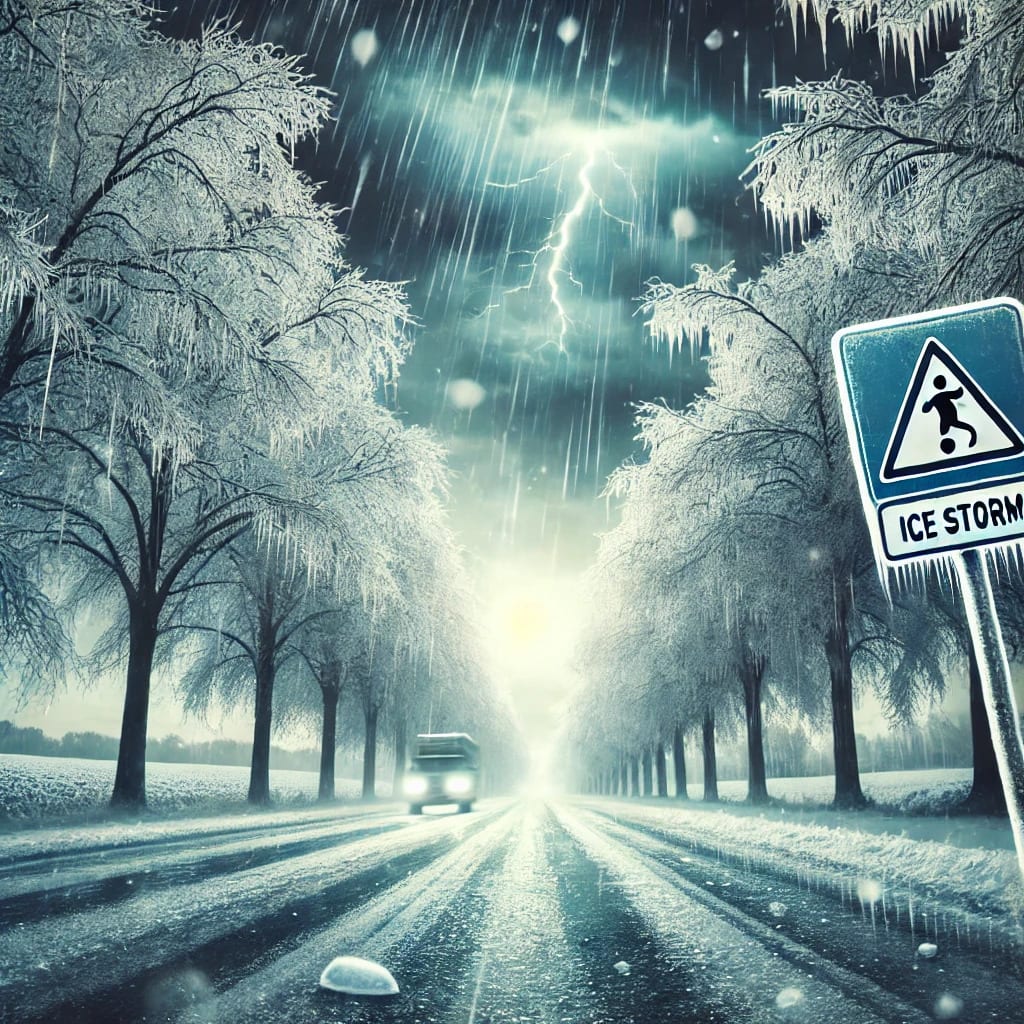
Ice storms can be dangerous weather events, leading to hazardous conditions, widespread power outages, and significant disruption. The term “ice storm warning” is increasingly being discussed, especially with the upcoming storm impacting the Midwest and Northeast regions of the United States. But What exactly does an ice storm warning mean, and how can you prepare for one? This article will break down everything you need to know about ice storms, the significance of ice storm warnings, and how to stay safe when one is issued.
What is an Ice Storm?
An ice storm occurs when freezing rain accumulates on surfaces, creating a layer of ice that can weigh down trees, power lines, and structures. Unlike snow, which may accumulate on the ground, ice storms cause ice to form directly on surfaces, making them slippery and treacherous.
These storms often result in hazardous driving conditions, power outages, and other infrastructure issues.
Ice Storm Warning: What Does It Mean?
An ice storm warning is issued when a significant ice storm is expected, which could cause travel disruptions, power outages, or damage to property. The warning typically means that ice accumulation of at least a quarter of an inch or more is expected.
These types of storms are not just about snow; freezing rain and sleet are the main culprits, causing ice to form on roadways, trees, and power lines.
When an ice storm warning is issued, it indicates that hazardous weather is imminent or already happening in a specific area. It’s crucial for residents and travelers in the affected areas to take immediate precautions to stay safe.
Why Ice Storm Warnings Are Crucial
Ice storms are dangerous because they can create unpredictable conditions. Roads become slippery, making travel risky, and power lines can snap under the weight of ice, causing widespread power outages. Ice can also accumulate on trees, causing branches to fall and potentially damaging homes and vehicles. Because ice storms develop quickly, ice storm warnings allow communities to prepare for the worst, reducing the impact of the storm.
The National Weather Service (NWS) and other weather agencies issue ice storm warnings to alert people about the seriousness of the event. Warnings are typically issued 12 to 24 hours in advance, giving people enough time to prepare. These warnings also help emergency services mobilize, ensuring that they are ready to respond to any accidents, fallen trees, or other hazards that might occur during the storm.
How Ice Storm Warnings Affect Transportation
Transportation is one of the most affected areas during an ice storm. The freezing rain that accompanies these storms quickly turns roadways into sheets of ice, making driving conditions extremely dangerous. In some cases, travel may be impossible, and roads may be closed for safety reasons.
If you live in an area under an ice storm warning, it’s important to avoid unnecessary travel. Even if you have snow tires or chains, ice is more dangerous than snow, as it can cause vehicles to lose traction quickly. If travel is essential, ensure your vehicle is stocked with emergency supplies, such as blankets, food, water, and a flashlight, in case you get stranded.
The Impact of Ice Storm Warnings on Power and Infrastructure
Power outages are one of the most significant risks associated with ice storms. The weight of the ice can cause power lines to snap, transformers to blow, and trees to fall on electrical equipment. These outages can last for hours or even days, especially if the storm causes widespread damage. It’s essential to prepare for possible power loss during an ice storm warning.
To minimize the impact of a power outage, consider having backup power sources like a generator. If that’s not an option, make sure to have a supply of batteries, candles, and flashlights on hand.
Preparing for an Ice Storm Warning
Preparation is key when an ice storm warning is issued. Here are some tips to ensure you stay safe:
- Stock Up on Supplies: Make sure you have enough non-perishable food and water to last at least three days. Don’t forget about essentials like medications, baby supplies, and pet food.
- Check Your Home for Vulnerabilities: Trim tree branches that could fall on your house or car. Also, inspect your roof to make sure it can handle the weight of ice.
- Prepare for Power Outages: Have extra blankets, flashlights, and batteries available. If you rely on medical equipment that requires power, make sure to have a backup plan.
- Stay Informed: Follow local weather reports and updates from the National Weather Service. This will help you stay ahead of changing conditions.
- Have a Plan for Travel: If you must travel, make sure your car is winterized, and stock it with emergency supplies like blankets, water, and a first-aid kit.
What to Do During an Ice Storm Warning
Once the ice storm warning has been issued and the storm is underway, there are several things you should keep in mind:
- Stay Indoors: Avoid leaving your home unless absolutely necessary. Ice can cause power lines to fall, and roads will be treacherous.
- Monitor Your Property: Keep an eye out for fallen branches or power lines. If you see any, report them to the authorities and stay away.
- Be Cautious with Heat: If the power goes out, use a fireplace or wood stove to stay warm, but be mindful of fire safety.
- Avoid Using Elevators: If the power goes out, you may get trapped in an elevator. It’s safer to use stairs.
Conclusion
Ice storm warnings serve as an important tool in protecting lives and property during severe weather events. Remember, Preparation is key. Be sure to have emergency supplies, stay informed, and avoid unnecessary travel during an ice storm warning.
About the Creator
Matt Guides
I'm Just A Random Guy That Creates Content!
Keep reading
More stories from Matt Guides and writers in Psyche and other communities.
When is Ramadan 2025? Start, Significance & Fasting Tips
Ramadan is one of the most spiritually significant months for Muslims worldwide. It’s a time for self-reflection, worship, charity, and devotion. But the question remains, when is Ramadan 2025? Let’s explore not only when this blessed month is expected to begin, but also how to make the most of it, the Sunnah practices to follow, and the deep-rooted significance behind fasting.
By Matt Guidesabout a year ago in Psyche
Top tipple tricks
Been thinking a lot about drinking, lately. Not least because of a recent episode of over-indulgence and the inevitable after effects. Some readers may recall the earlier articles I wrote about beating the booze. Here I set out an experiment in techniques for cutting down on my alcohol intake. The experiment was successful, the techniques worked, and I have armed myself with an arsenal of weapons in the war against the demon drink. I have yet to fire the first round however. It's all a question of timing (perhaps procrastination).
By Raymond G. Taylorabout 23 hours ago in Psyche
Why Inpatient Dual Diagnosis Treatment Is Essential for Lasting Recovery
When someone is struggling with both a substance use disorder and a mental health condition, recovery becomes more complex. Treating only one issue while ignoring the other often leads to relapse, frustration, and repeated cycles of crisis. That’s why inpatient dual diagnosis treatment plays such a critical role in long-term healing.
By Jordan Blake7 days ago in Psyche
Guard Your Battery
Why are some people so attractive just by standing there? It’s not because they are "likable," but because they don’t need everyone to like them. I realized later that truly charismatic people allow themselves to be criticized, but they never criticize themselves. They never try to please the world; instead, the world stops to watch them.
By Emily Chan - Life and love sharing6 days ago in Poets




Comments
There are no comments for this story
Be the first to respond and start the conversation.