
I Didn’t Know It Was Trauma Until I Couldn’t Breathe
I thought I was just tired. But the panic, the silence, and the sleepless nights were trying to tell me something.

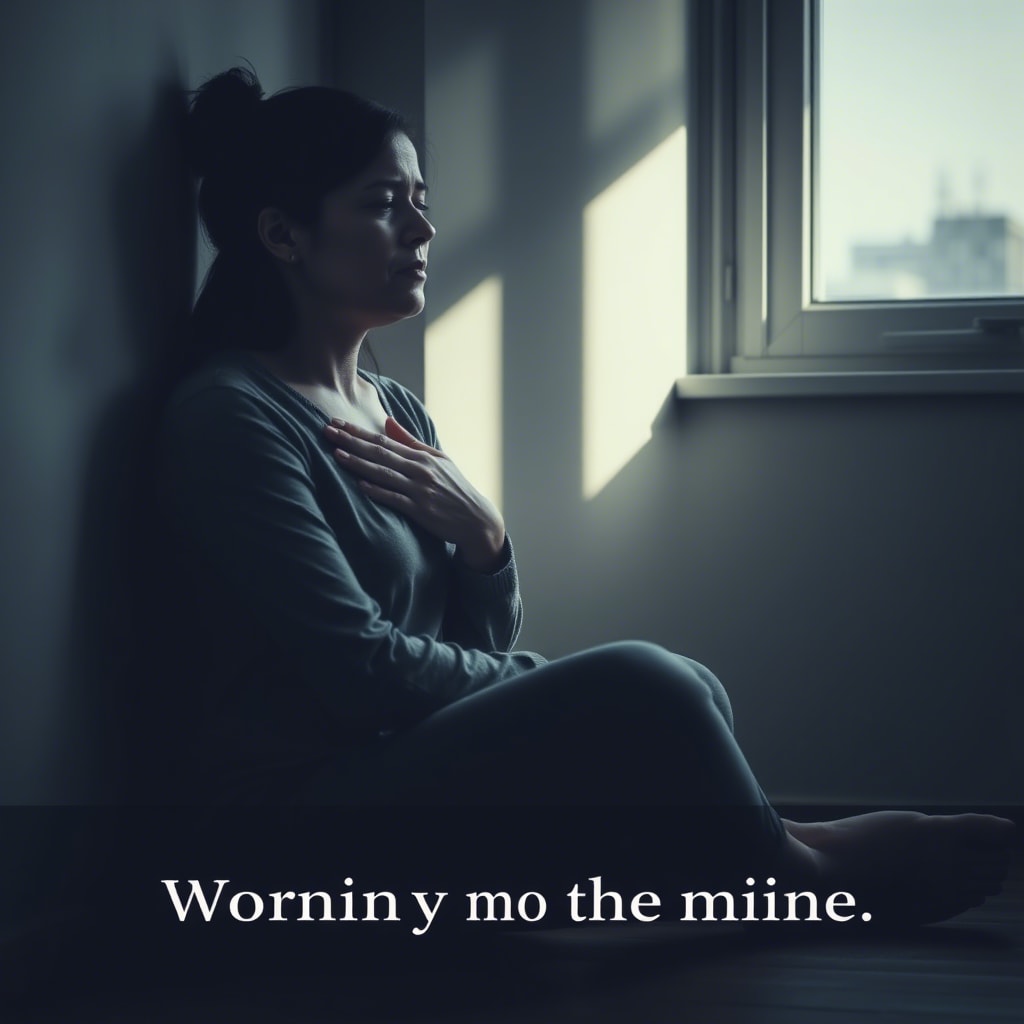
I used to think trauma looked like something dramatic.
A car crash. A violent assault. War. The kind of stuff you see in movies, raw and loud. I didn’t know trauma could sit quietly inside you, like a sleeping dog. Until one day, it wakes up, snarling.
That day started like any other. I was getting ready for work—half-dressed, rushing, coffee in hand. But something was different. My heart was pounding like it was trying to escape my chest. My throat tightened, my hands trembled, and suddenly, it felt like the walls were closing in. I couldn’t breathe.
I sat down on the floor of my apartment in nothing but a towel, chest heaving, eyes wide, certain that I was dying. A heart attack, maybe. Something serious.
Only it wasn’t. At least, not in the way I thought.
A few hours later, after a rushed Uber ride and a long wait in urgent care, a doctor looked at me with calm eyes and said, “You had a panic attack.”
I blinked at her. “But I’m not anxious,” I said. “I’m just… tired.”
She smiled gently, but I hated that look. The one that says: you don’t know your own body as well as you think you do.
Over the next few weeks, I tried to forget it happened. But my body wouldn’t let me.
My appetite disappeared. I couldn’t sleep for more than a few hours at a time. I’d wake up sweating, heart racing, with no memory of a dream—just a deep sense of dread. The silence became deafening. And worst of all, I began to dread everything. Work, people, even texting friends back. I was retreating into myself.
Still, I told myself: You’re just burned out. Overworked. Everyone gets like this sometimes.
It wasn’t until I found myself crying on the kitchen floor at 2:00 a.m. over a dirty dish that I realized: This wasn’t normal. This wasn’t just stress.
I started therapy a week later. And in the first session, after I explained everything, my therapist asked: “Has anything traumatic happened to you in the past few years?”
I paused. “No. Not really. Nothing major.”
She tilted her head. “Can you walk me through the past five years of your life?”
So I did.
I talked about the relationship I stayed in far too long. The one where I was constantly gaslit, made to feel small, invisible, never enough. The emotional manipulation, the quiet isolation from friends and family, the way he would punish me with silence or explode without warning.
I talked about my job—the toxic environment, the boss who would scream behind closed doors but smile in meetings, the expectation to always say yes, to be available even on weekends, even when I was sick.
I talked about how my dad died suddenly two years ago. How I never really cried. How I just… moved on, like I was supposed to. Like grief was something to tuck away neatly in a drawer.
And when I was done, my therapist looked at me and said, “What you just described is trauma.”
I stared at her like she had spoken another language. Trauma? No. That word didn’t belong to me. That word was reserved for people who had it worse.
But as we unpacked everything, week after week, I began to see it. The pattern. The slow erosion of safety. The cumulative weight of everything I had convinced myself was “normal.” The way I had swallowed every pain, minimized every wound.
Trauma doesn’t always scream. Sometimes, it whispers for years, until your body can’t hold it anymore.
Sometimes, you don’t even know you’ve been holding your breath until your lungs are empty and you’re gasping for air.
It’s been a year since that first panic attack. I wish I could say everything is fixed now. But healing is not a straight line. Some days I still wake up feeling like I’m bracing for impact. But I’m learning to recognize the signs—when my shoulders are too tight, when I stop answering messages, when my thoughts start spinning.
I’ve learned to pause. To listen.
To cry when I need to.
To breathe.
And maybe most importantly, I’ve learned to stop dismissing my pain just because it doesn’t look like someone else’s.
If you’re reading this and you feel like you’re barely holding it together—if your heart races for no reason, if you’re exhausted but can’t sleep, if you find yourself snapping at people or going numb—you’re not just “being dramatic.”
You’re not weak.
You’re not broken.
You might be carrying something heavy. Something you were never meant to carry alone.
And maybe it’s time to finally set it down.
Thank you for reading ❤️.
About the Creator
Keep reading
More stories from Azmat Roman ✨ and writers in Psyche and other communities.
The Day I Let Go of Survival Mode
I used to think something was wrong with me. I wasn’t crying, but I felt hollow. I wasn’t falling apart, but I was constantly tired—tired in my bones, in my soul. It was more than physical exhaustion. It was a kind of weariness that sleep couldn’t fix and silence couldn’t soothe.
By Azmat Roman ✨8 months ago in Psyche
Who is your "Person"?
It's important to recognize that you cannot go through life as easily on your own. My name is Elizabeth and I'm a survivor of child abuse and horrific trauma. Healing from trauma is not a quick fix and recognizing that it will take time, is part of the struggle.
By Elizabeth Woods3 days ago in Psyche
Review of 'Man on the Run'
My wife and I saw Man on the Run, a nearly 2-hour documentary on Amazon Prime, about Wings, Paul McCartney's group that flew around the world from shortly after The Beatles broke up in early 1970 to shortly after John Lennon was murdered at the end of 1980, making a Beatles reunion forever impossible.
By Paul Levinson5 days ago in Beat




Comments (1)
What a great job of sharing. It's a good that you are still learning what makes you, you. Keep up the good work no matter how long it takes for we all are different.