
How to choose best bipolar disorder treatment in Delhi
The treatment for bipolar disorder typically includes a combination of medication, therapy, and lifestyle management.

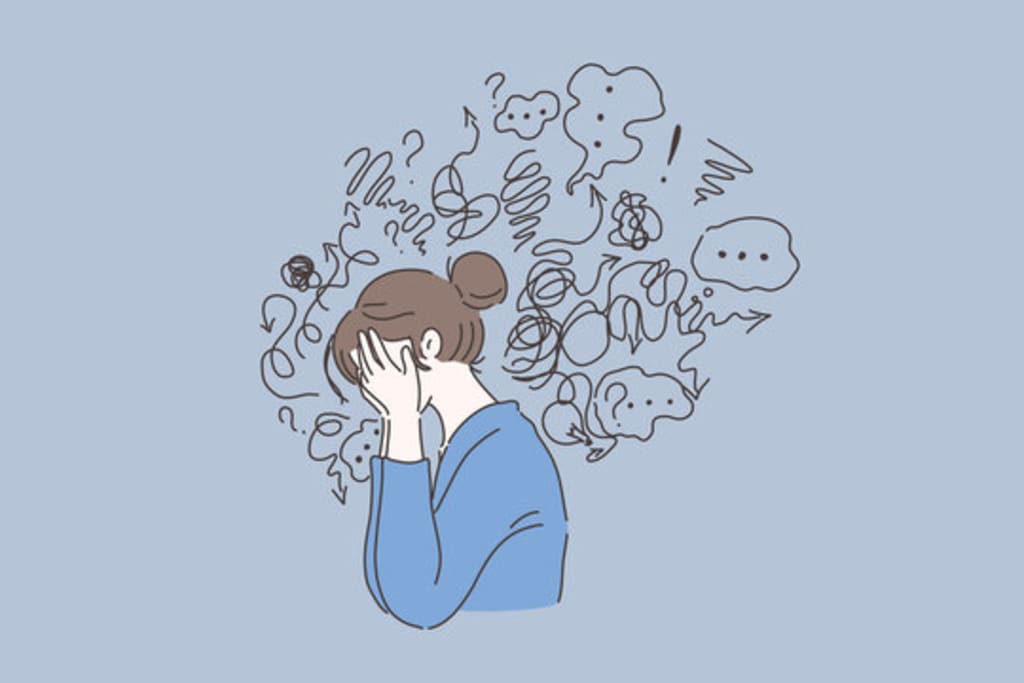
Choosing the best treatment for bipolar disorder in Delhi involves understanding the nature of the disorder, researching available treatment options, and selecting a facility or healthcare provider that can offer comprehensive, personalized care. Bipolar disorder is a mental health condition marked by extreme mood swings, ranging from manic highs to depressive lows, which can significantly impact a person’s daily functioning. Here’s how to choose the best treatment for bipolar disorder in Delhi :
1. Understand Treatment Options
The treatment for bipolar disorder typically includes a combination of medication, therapy, and lifestyle management. Medications, such as mood stabilizers, antipsychotics, and antidepressants, are used to control the severity and frequency of mood episodes. Psychotherapy, particularly cognitive-behavioral therapy (CBT), helps manage emotional responses, identify triggers, and develop effective coping mechanisms. A comprehensive approach may also involve family therapy and education, which are crucial for building a supportive environment.
2. Research Healthcare Providers and Facilities
Delhi offers a range of options for treatment, from government hospitals with mental health departments to private mental health clinics and specialty centers. When choosing a provider, consider the following:
Specialization in Bipolar Disorder: Ensure that the medical staff has experience specifically in treating bipolar disorder. Look for psychiatrists and psychologists with expertise in mood disorders, as they will be more adept at managing the complexities of this condition.
Multidisciplinary Approach: Ideally, a treatment center should have a team of healthcare professionals, including psychiatrists, therapists, occupational therapists, and social workers, who work together to create and manage an individualized treatment plan.
3. Verify Accreditation and Quality Standards
Accredited healthcare facilities often maintain higher standards of patient care. Look for institutions recognized by national or international health organizations, as they are more likely to adhere to protocols that ensure patient safety and effective treatment. Checking online reviews and patient feedback can also provide insight into the quality of care at a facility.
4. Location and Accessibility
Accessibility should be an important consideration when choosing a treatment center. Treatment for bipolar disorder often requires ongoing visits for therapy and medication management. Choose a center that is conveniently located so that regular appointments are easier to maintain. Accessibility also includes considering the availability of public transportation or parking facilities for those who need to travel to appointments.
5. Consider Costs and Insurance Coverage
Bipolar disorder treatment can vary widely in cost. Government hospitals and public health centers may offer lower-cost or free services, but they could also have longer waiting times or limited access to specialized care. Private hospitals and clinics typically provide faster service and personalized treatment but come at a higher cost. Check whether the facility accepts health insurance or offers financial assistance to make treatment more affordable.
6. Patient-Centered Care
The best treatment plans are tailored to the individual’s specific needs. Ensure that the provider takes time to understand the patient’s history, current symptoms, and personal preferences. The treatment plan should aim to manage mood episodes effectively while also promoting overall well-being and improving quality of life. A holistic approach that incorporates lifestyle changes, stress management, and sleep hygiene can complement medication and therapy.
7. Support Services
Support services, such as counseling for family members, group therapy, and support groups, can play a significant role in the recovery process. Group therapy provides a space for patients to share experiences and learn from others facing similar challenges, which can help reduce feelings of isolation and foster a sense of community.
8. Monitoring and Follow-Up
Ongoing monitoring is critical to effective treatment for bipolar disorder. Ensure that the treatment center has protocols in place for regular check-ins and progress assessments. This allows healthcare providers to make timely adjustments to the treatment plan, whether it's fine-tuning medication dosages or introducing new therapeutic techniques.
Conclusion
Choosing the best treatment for bipolar disorder in Delhi involves careful consideration of factors like the expertise of healthcare providers, accessibility, cost, and the availability of support services. By selecting a treatment plan tailored to individual needs and ensuring that the facility has a strong track record of patient care, individuals can manage their condition more effectively and improve their overall quality of life.
About the Creator
Tulasi Health Care
Tulasi Healthcare is a mental health clinic and rehabilitation center located in Gurgaon, Delhi, India. They treat drugs and mental illnesses such as schizophrenia, depression, schizophrenia, anxiety and other mental illnesses .
Keep reading
More stories from Tulasi Health Care and writers in Psyche and other communities.
Top bipolar treatment in gurgaon
Bipolar disorder is a mental health condition characterized by extreme mood swings, including episodes of mania and depression. The goal of treatment for bipolar disorder is to stabilize these mood swings, prevent future episodes, and enhance the individual’s overall quality of life. In Gurgaon, bipolar treatment in gurgaon typically involves a combination of psychotherapy, lifestyle adjustments, and social support, with an emphasis on managing symptoms without solely relying on medications.
By Tulasi Health Care12 months ago in Psyche
Top tipple tricks
Been thinking a lot about drinking, lately. Not least because of a recent episode of over-indulgence and the inevitable after effects. Some readers may recall the earlier articles I wrote about beating the booze. Here I set out an experiment in techniques for cutting down on my alcohol intake. The experiment was successful, the techniques worked, and I have armed myself with an arsenal of weapons in the war against the demon drink. I have yet to fire the first round however. It's all a question of timing (perhaps procrastination).
By Raymond G. Taylor7 days ago in Psyche



Comments
There are no comments for this story
Be the first to respond and start the conversation.