
How Science, Society, and Self-Awareness Are Shaping a Healthier Mindset
In a world that glorifies hustle and productivity, peace of mind is often the first casualty
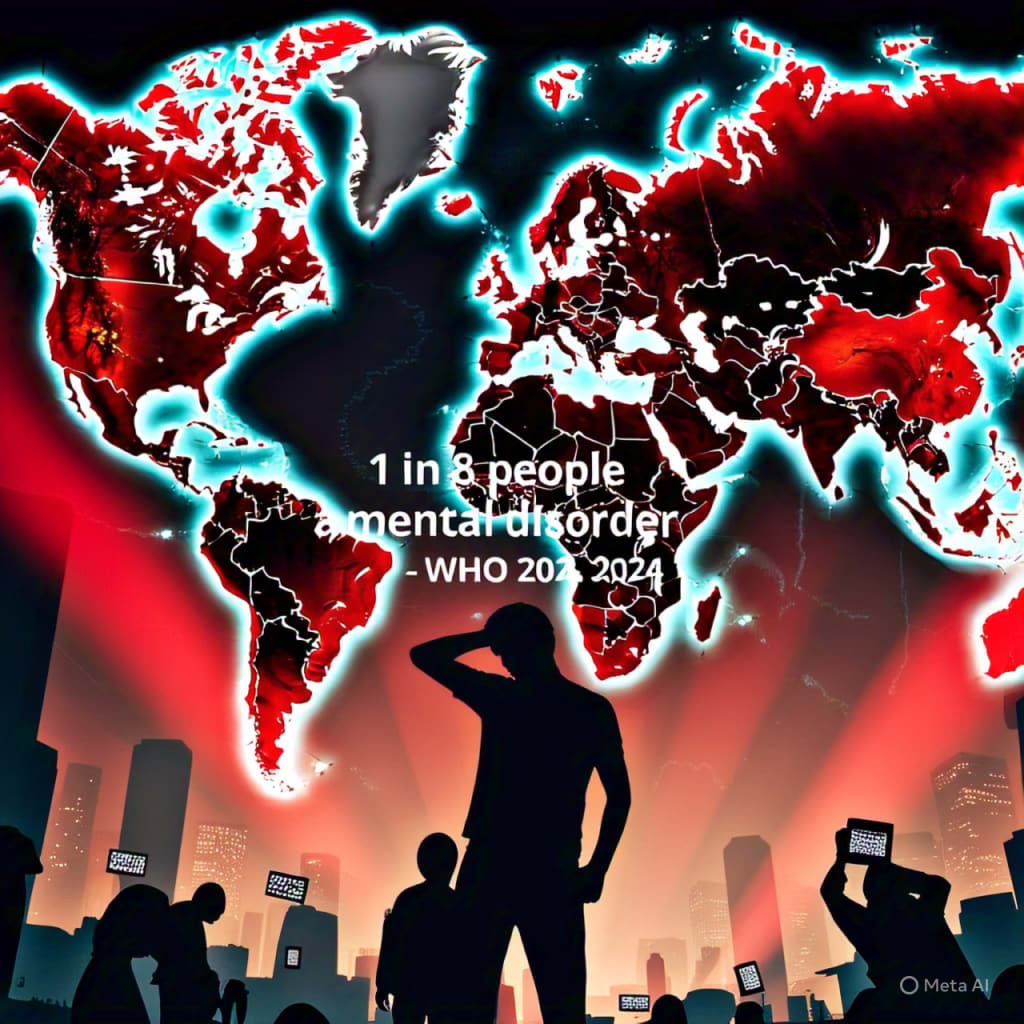
Mental health, once relegated to the background of health discussions, has now taken center stage. Across continents, a mental health crisis is unfolding quietly — affecting professionals, students, parents, and even children. The World Health Organization (2024) reports that more than 970 million people globally live with some form of mental disorder. What’s more alarming is that these numbers are rising steadily. The silent nature of mental health issues makes them all the more dangerous — a storm that brews beneath a calm surface.
The Science Behind the Struggle
“The mind is its own place,” John Milton once wrote, “and in itself can make a Heaven of Hell, a Hell of Heaven.”
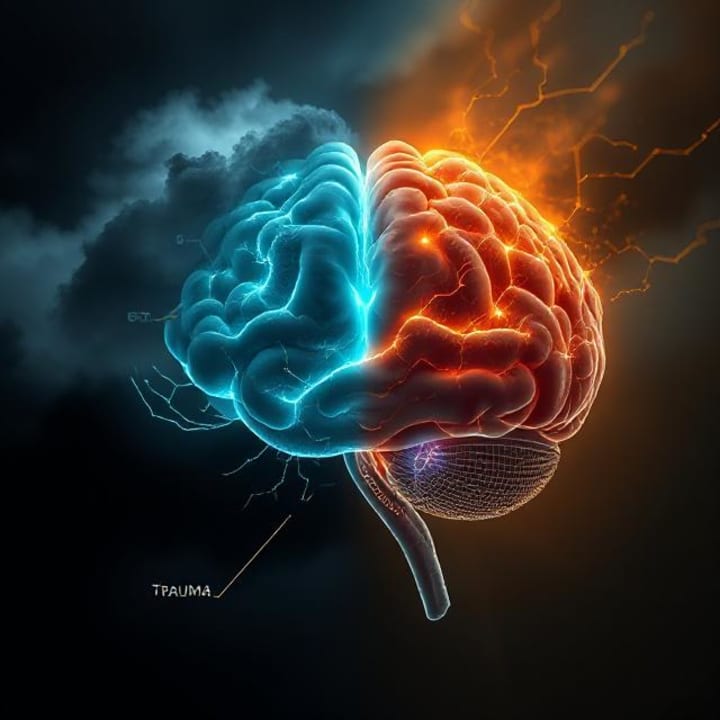
Modern neuroscience validates this poetic insight. Mental health is not merely a matter of willpower or attitude; it is deeply biological. In “The Body Keeps the Score” by Dr. Bessel van der Kolk, it’s explained how trauma literally reshapes both body and brain, affecting emotional regulation, memory, and even immune function. But there is hope — neuroplasticity, the brain's ability to change and adapt, means that recovery is possible. Practices like cognitive behavioral therapy (CBT), mindfulness, and expressive writing have shown significant results in rewiring the brain's response to stress and anxiety.
Causes: A Modern Landscape of Stress
Burnout is not a badge of honor; it’s a distress signal from the soul.
In our hyper-connected era, stress has become chronic. A Stanford study revealed that workplace stress is linked to over 120,000 deaths annually in the U.S. alone. Constant exposure to screens, information overload, social comparison, and tight schedules lead to fatigue, anxiety, and emotional numbness. Johan Hari, in his book “Lost Connections,” argues that mental health issues often stem not from chemical imbalances but from unmet psychological needs — such as lack of meaningful work, disconnection from nature, and absence of community.
Practical Solutions Rooted in Research and Reading
Rather than merely surviving, individuals can take active steps to reclaim their mental wellness. Here are evidence-backed and book-supported solutions:
Reconnect with Purpose
Inspired by: “Man’s Search for Meaning” by Viktor Frankl
Frankl emphasizes that meaning — not pleasure or achievement — is the primary driver of human resilience. Identifying personal values and setting goals aligned with them can restore a sense of control and hope.

Practice Mindfulness and Meditation
Inspired by: “Wherever You Go, There You Are” by Jon Kabat-Zinn
Regular mindfulness meditation has been shown to reduce symptoms of anxiety, depression, and even physical pain. Starting with just 10 minutes a day of focused breathing can make a notable difference.
Limit Digital Overload
Inspired by: “Digital Minimalism” by Cal Newport
The constant buzz of notifications and digital stimuli fragments attention and heightens stress. Setting screen-time boundaries, scheduling device-free hours, and prioritizing real-world interactions can help recalibrate mental space.
Build Real Connections
Inspired by: “Together” by Dr. Vivek Murthy
Loneliness is a global epidemic, as severe as any physical illness. Murthy, the former U.S. Surgeon General, advocates for intentional relationships — like weekly family dinners or regular check-ins with friends — to restore emotional health.
Move the Body to Heal the Mind
Inspired by: “Spark: The Revolutionary New Science of Exercise and the Brain” by Dr. John Ratey

Physical activity isn’t just good for the heart — it's fuel for the brain. Even light aerobic exercise boosts mood-enhancing neurotransmitters like serotonin and dopamine.
Healing is not linear — but neither is suffering permanent.
The journey toward better mental health may be slow and uneven, but it is deeply worthwhile. With growing awareness, widespread scientific validation, and the democratization of tools like therapy apps and online support communities, people are no longer walking this path alone.
About the Creator
Keep reading
More stories from Taufeeq Ahmad and writers in Psyche and other communities.
Dreams and Reality: Navigating Life’s Expectations
Amina always believed she was destined for something extraordinary. As a teenager, she’d fall asleep imagining herself walking the streets of Rome with a notebook in hand, sipping coffee in hidden Parisian cafés, and publishing heartfelt essays about the world’s beauty. For her, writing and travel weren’t hobbies — they were her calling. She wanted a life that wasn’t confined to routine, one that breathed freedom and expression.
By Taufeeq Ahmad10 months ago in Confessions
Top tipple tricks
Been thinking a lot about drinking, lately. Not least because of a recent episode of over-indulgence and the inevitable after effects. Some readers may recall the earlier articles I wrote about beating the booze. Here I set out an experiment in techniques for cutting down on my alcohol intake. The experiment was successful, the techniques worked, and I have armed myself with an arsenal of weapons in the war against the demon drink. I have yet to fire the first round however. It's all a question of timing (perhaps procrastination).
By Raymond G. Taylor6 days ago in Psyche
A Transparent Look at Vocal Challenges and Top Stories
Almost three years ago, we shared a resource article that served as a place for people to suggest new challenge prompts. We thought it would be a good idea to refresh that thread, and take the opportunity to answer a few common questions about top stories, how challenges are judged and how submissions are reviewed.
By Vocal Curation Team3 days ago in Resources




Comments
There are no comments for this story
Be the first to respond and start the conversation.