
How Equine Therapy Is Changing the Way We Heal Trauma and Reconnect with Ourselves
Equine therapy reconnects us to healing through the silent wisdom of horses.
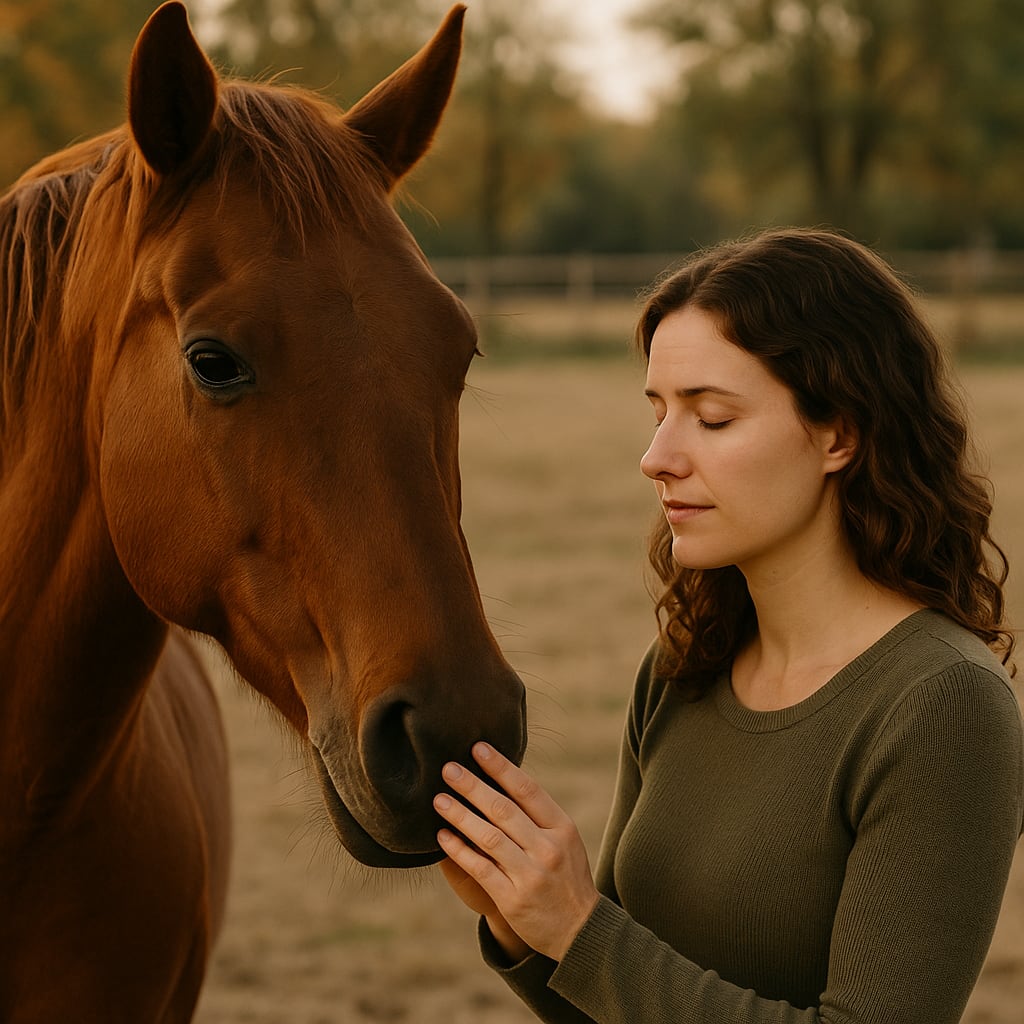
Trauma, anxiety, and emotional overwhelm are far more common than we often admit. Whether it’s the lingering effects of childhood experiences, chronic stress, or a recent crisis, many people struggle to find effective support that feels safe, grounded, and genuinely healing. While traditional therapy can be powerful, some individuals need something more experiential—something that invites the body, heart, and mind into the process. This is where equine therapy is quietly changing lives.
Rather than talking through emotions in a clinic, equine therapy invites people to connect with horses—sentient, emotionally intelligent beings that respond to human cues in subtle but powerful ways. And through that interaction, something remarkable begins to unfold.
What Trauma Really Does to Us
Trauma isn’t just about what happened. It’s about how the body and nervous system respond to that event long after it’s over. For many, trauma leaves behind a lasting imprint—hypervigilance, emotional numbing, difficulty with trust, or an inability to feel safe in the world. As discussed in The Art of Healing, true recovery often goes beyond logic and talk; it requires emotional regulation and a sense of reconnection.
Unfortunately, not every modality addresses that embodied aspect. People may intellectually understand their trauma yet still feel trapped in cycles of fear or avoidance. That’s where equine therapy comes in—with a different kind of invitation.
Why Horses?
Horses have been companions, workers, and healers for centuries. But it’s their emotional intuition that makes them powerful allies in therapeutic work. As herd animals, horses are attuned to non-verbal cues. They can sense tension, calm, anxiety, and trust—and respond accordingly. They do not lie, judge, or analyse. Instead, they reflect.
In an equine therapy setting, this mirroring can help clients become more aware of their emotional states. A horse that walks away might reflect avoidance. A horse that stays grounded and still may reflect a moment of inner calm. These real-time, unfiltered interactions give people a safe space to explore how they show up in relationships—with others and with themselves.
As explored in Emotional Intelligence: More Than a Buzzword, developing emotional awareness is key to personal growth, and horses are powerful co-regulators in this process.
What Happens in an Equine Therapy Session?
Unlike traditional riding lessons, equine therapy doesn’t require saddles or stirrups. In fact, most sessions involve groundwork—leading a horse, grooming, or simply observing. The structure is non-directive, allowing the client and horse to interact in a way that reflects the individual’s emotional landscape.
A therapist or facilitator is present to guide the session, often prompting reflection after a moment of interaction. For example, if a client feels frustrated when a horse doesn’t follow their lead, that emotion becomes a doorway into self-inquiry: “What does it feel like to not be in control?” or “Where else do I notice this pattern in my life?”
Because horses respond honestly to what they feel, they provide instant feedback without words. This creates a powerful learning environment that’s especially helpful for people who struggle to articulate their emotions verbally.
How It Supports Trauma Recovery
Equine therapy offers several benefits that are particularly helpful for those healing from trauma:
Regulation of the nervous system: Horses can model calm, regulated behaviour. Their heart rates can even sync with humans’, creating a grounding effect.
Trust-building: Establishing trust with a large animal requires patience, presence, and authenticity—all crucial elements in trauma recovery.
Embodiment: Trauma often disconnects people from their bodies. Interacting with horses brings people back into physical awareness in a safe and mindful way.
Over time, clients may develop greater emotional resilience, clearer boundaries, and a renewed sense of agency. For many, the simple act of leading a horse becomes symbolic of leading their own healing process.
Finding the Right Program
Not all equine-based services are the same. Some focus more on psychotherapy with horses present; others—like equine-assisted learning—emphasise skill-building, reflection, and growth through experiential learning.
One example of this is Empowering personal growth through horses with Aligned Living, which offers a safe, trauma-informed environment where individuals can work through emotional blockages, build confidence, and reconnect with their inner strength. Programs are designed to support both personal development and mental health, without requiring prior horse knowledge or physical ability.
Each session is structured to be respectful of the participant’s pace, creating a gentle yet powerful space for insight and healing.
Who Can Benefit?
Equine therapy isn’t limited to any one demographic. While it’s particularly helpful for people healing from PTSD, grief, anxiety, or burnout, it’s also suitable for:
- Adults seeking personal growth and emotional clarity
- Teenagers navigating identity and peer pressure
- People who feel stuck in traditional talk therapy
- Carers, first responders, or professionals facing compassion fatigue
Even those with no previous experience around horses often find unexpected breakthroughs in the quiet, grounded energy of these sessions.
Healing Is Non-Linear—But Horses Help Us Reconnect
Healing doesn’t always come from talking. Sometimes, it comes from being—being seen, being still, being accepted. Horses offer that kind of space without condition. They respond not to our stories, but to our energy, helping us drop the mask and reconnect with what’s real.
Whether someone is navigating long-term trauma or simply seeking a deeper connection to themselves, equine therapy offers a non-verbal, embodied path forward. The horse may not solve our problems, but it may hold space for us to find our own way through them.
As more people search for holistic, grounded ways to support their wellbeing, equine therapy is emerging not just as a trend—but as a genuinely transformative practice.
About the Creator
Keep reading
More stories from Rochelle Martinez and writers in Psyche and other communities.
The Surprising Psychology of a Clean Home: How Pressure Cleaning Impacts Your Mood and Mindset
We often focus on the inside of our homes when we think about mental wellbeing—tidying up rooms, lighting candles, or decluttering wardrobes. But what about the outside? The driveways, walls, patios, and pathways that greet us and our guests every day? It turns out that these overlooked areas may play a bigger role in our mood and mindset than we realise. In fact, pressure cleaning could be an unexpected mental reset button—one that brings psychological as well as physical benefits.
By Rochelle Martinez9 months ago in Psyche
Top tipple tricks
Been thinking a lot about drinking, lately. Not least because of a recent episode of over-indulgence and the inevitable after effects. Some readers may recall the earlier articles I wrote about beating the booze. Here I set out an experiment in techniques for cutting down on my alcohol intake. The experiment was successful, the techniques worked, and I have armed myself with an arsenal of weapons in the war against the demon drink. I have yet to fire the first round however. It's all a question of timing (perhaps procrastination).
By Raymond G. Taylor7 days ago in Psyche
Why Your Brain Refuses to Sleep — Even When You're Tired
You’re exhausted. Your eyes feel heavy, your body is drained, and you know you should go to bed. Yet somehow, you’re still scrolling on your phone, watching another video, or telling yourself “just one more episode.”
By Navigating the World2 days ago in Psyche
A System That Isn’t Working Challenge Winners
Systems promise order. They organize behavior, distribute opportunity, and suggest that if everyone follows the rules, things will work. The entries in A System That Isn’t Working look closely at what happens when that promise begins to slip.
By Vocal Curation Team5 days ago in Resources




Comments
There are no comments for this story
Be the first to respond and start the conversation.