
“High-Functioning Anxiety: When Success Hurts”
The Mental Illness That Looks Like Success
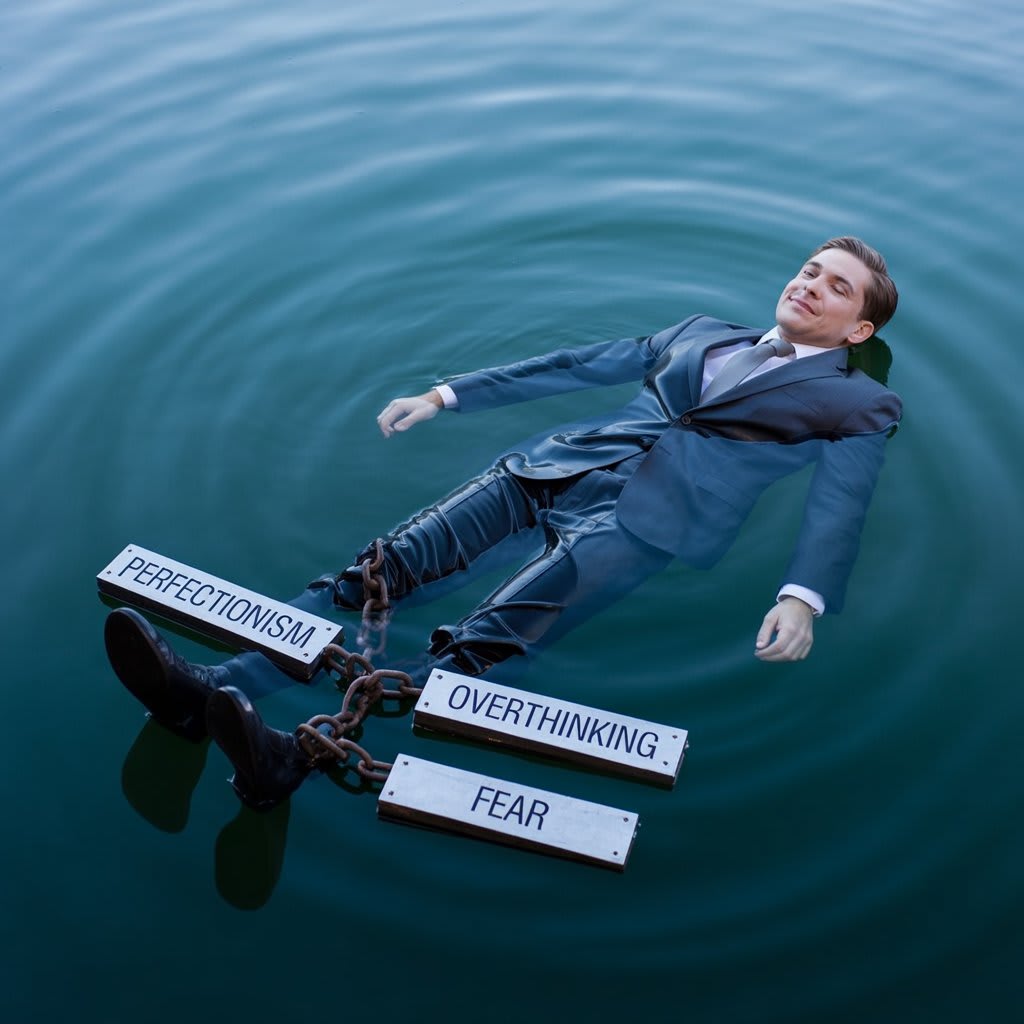
✨ On the Outside, They Look Like They Have It All Together...
She’s the one who never misses a deadline, always shows up early, responds to emails instantly, and seems endlessly productive. He’s the guy with the perfect résumé, always calm in meetings, always one step ahead. They’re achievers. Planners. Go-getters. From the outside, it looks like they're thriving.
But behind closed doors? Their minds never stop racing. They overthink everything, obsess over tiny mistakes, and lie awake at 3 a.m. replaying conversations from days ago. They may smile through it—but they’re drowning silently.
This is high-functioning anxiety—a mental health condition that masquerades as ambition, productivity, and success.
🧠 What Is High-Functioning Anxiety?
While it's not an official clinical diagnosis in the Diagnostic and Statistical Manual of Mental Disorders (DSM-5), high-functioning anxiety is widely recognized by psychologists as a very real experience.
Unlike typical anxiety, which may cause visible distress or withdrawal, high-functioning anxiety lives beneath the surface. People with it appear confident and in control—but inside, they’re battling a storm of self-doubt, pressure, and fear of failure.
Common Traits of High-Functioning Anxiety:
Constant overthinking and racing thoughts
Fear of disappointing others or being seen as incompetent
Inability to relax, even during downtime
Perfectionism and unrealistic self-standards
Need for control and hyper-organization
People-pleasing to the point of burnout
Imposter syndrome, despite clear achievements
It’s often mistaken for being “driven” or “disciplined.” But the motivation comes from fear, not fulfillment.
😰 The Hidden Cost of Seeming Fine
High-functioning anxiety is especially dangerous because it hides in plain sight. These individuals often don’t seek help—because they don’t think they’re “sick enough.”
After all, they’re achieving goals. They’re not having panic attacks in public. They’re not crying in meetings. So it must not be “real anxiety,” right?
Wrong.
The mental exhaustion builds. Their nervous system never gets a break. Over time, this leads to:
Burnout
Sleep disorders
Chronic health issues
Emotional numbness
Sudden breakdowns
Many don’t realize the damage until their body forces them to stop—through illness, collapse, or mental shutdown.
🎭 Wearing the Mask of Perfection
High-functioning anxiety is a master of disguise. It convinces you that your worth is tied to your output. That if you stop, you'll fall apart. That if you're not achieving, you're failing.
People with it are often praised for being “on top of things” or “so reliable.” But this praise only feeds the anxiety. It becomes a loop:
> Anxiety → Overworking → Praise → Pressure → More Anxiety
The mask gets heavier with time. And eventually, it cracks.
💬 A Real Story You Might Recognize
Maria, 29, works in tech. Her calendar is color-coded, her inbox is always at zero, and she never misses a deadline. But she also can’t fall asleep without replaying every interaction she had that day. She says “yes” to every project out of fear of disappointing her boss. She hides in the bathroom during lunch just to breathe.
“No one would believe I have anxiety,” she says. “I’m the one everyone else comes to for help. But I never feel good enough.”
Maria’s story isn’t unique. It’s the silent reality of millions.
🔄 The Toxic Cycle of Achievement and Anxiety
In many cultures, especially in the West, overworking is glamorized. The hustle. The grind. The rise-and-grind mindset.
But for someone with high-functioning anxiety, this isn't motivation—it’s survival. They fear slowing down. They equate rest with laziness, and success with safety.
This cycle isn’t ambition. It’s a mental illness in disguise.
🛑 Breaking the Cycle: What You Can Do
The first step to healing is recognizing the signs. If you relate to this article, you're not alone—and you're not weak.
Small Steps Toward Balance:
Therapy: Especially CBT (Cognitive Behavioral Therapy) to challenge distorted thought patterns.
Mindfulness practices: Deep breathing, journaling, or meditation to slow the mind.
Setting boundaries: Learning to say no, even when it feels terrifying.
Reframing self-worth: You are not your productivity.
Resting without guilt: Rest is productive. Period.
❤️ You Don’t Have to Earn Peace—You Deserve It
High-functioning anxiety convinces you that if you just do a little more, you’ll finally feel okay. But the truth is, no amount of external success can heal internal unrest.
Real strength is letting go of the mask. Asking for help. Admitting that success without peace isn’t worth it.
If this sounds like you—or someone you love—pause. Breathe. You don’t have to keep pushing to prove yourself.
You already are enough.
About the Creator
Keep reading
More stories from Shoaib Afridi and writers in Psyche and other communities.
The Addiction to Validation No One Talks About
The Silent Addiction That Controls Our Lives When we think of addiction, we usually picture alcohol, drugs, or nicotine. But there's a subtler, quieter addiction sweeping through society—one so normalized, we don’t even recognize it.
By Shoaib Afridi8 months ago in Psyche
Top tipple tricks
Been thinking a lot about drinking, lately. Not least because of a recent episode of over-indulgence and the inevitable after effects. Some readers may recall the earlier articles I wrote about beating the booze. Here I set out an experiment in techniques for cutting down on my alcohol intake. The experiment was successful, the techniques worked, and I have armed myself with an arsenal of weapons in the war against the demon drink. I have yet to fire the first round however. It's all a question of timing (perhaps procrastination).
By Raymond G. Taylora day ago in Psyche
Guard Your Battery
Why are some people so attractive just by standing there? It’s not because they are "likable," but because they don’t need everyone to like them. I realized later that truly charismatic people allow themselves to be criticized, but they never criticize themselves. They never try to please the world; instead, the world stops to watch them.
By Emily Chan - Life and love sharing6 days ago in Poets




Comments
There are no comments for this story
Be the first to respond and start the conversation.