
Evaluating and Managing Structural Heart Disease
Understanding Hypertrophic Cardiomyopathy and Structural Heart Disorders

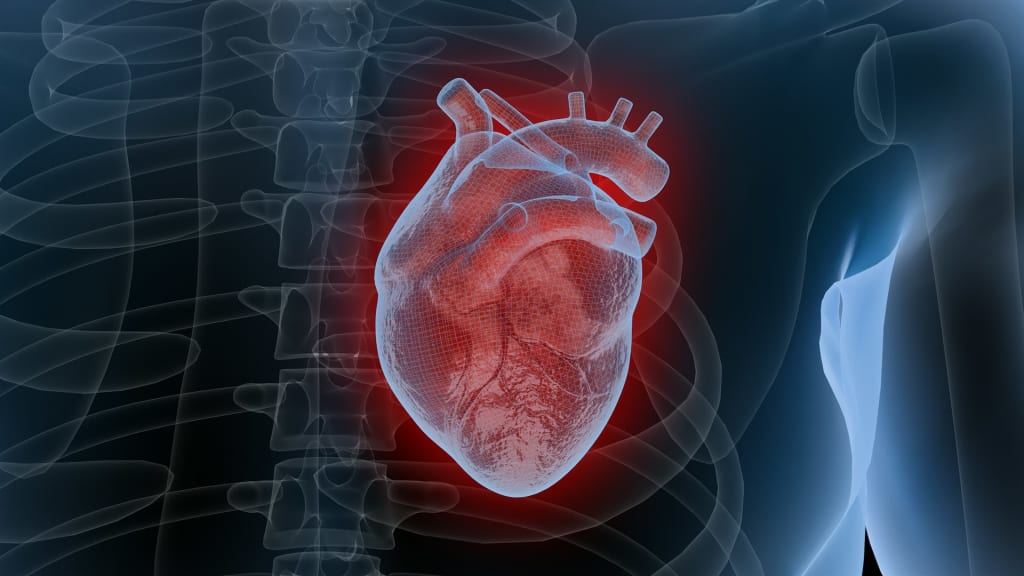
Hypertrophic cardiomyopathy (HCM) is one of the most common inherited structural heart diseases and is characterized by abnormal thickening of the heart muscle, particularly the left ventricle. This thickening can make it harder for the heart to pump blood effectively and, in some cases, can obstruct blood flow leaving the heart. Structural heart diseases more broadly refer to abnormalities in the heart’s anatomy, including defects in the heart muscle, valves, chambers, or septum. In addition to hypertrophic cardiomyopathy, other structural heart diseases include dilated cardiomyopathy, restrictive cardiomyopathy, arrhythmogenic right ventricular cardiomyopathy, congenital heart defects, and valvular heart disease. These conditions may be inherited or acquired and can vary widely in severity, ranging from mild forms that cause few symptoms to more serious disorders associated with heart failure or sudden cardiac death.
Hypertrophic cardiomyopathy is most often caused by genetic mutations that affect proteins responsible for heart muscle contraction. It is typically inherited in an autosomal dominant pattern, meaning that if one parent carries the genetic mutation, there is a 50 percent chance that a child will inherit it. Other structural heart diseases may develop due to long-standing high blood pressure, coronary artery disease, aging-related degeneration of heart valves, infections affecting the heart muscle, or congenital abnormalities present at birth. Regardless of the cause, these disorders alter the structure and function of the heart, potentially interfering with its ability to circulate blood efficiently throughout the body.
Symptoms of hypertrophic cardiomyopathy and other structural heart diseases can vary depending on the extent of structural changes and the degree of functional impairment. Common symptoms include shortness of breath during physical activity, chest pain, fatigue, palpitations, dizziness, and fainting. In more advanced cases, swelling of the legs, ankles, or abdomen may occur due to fluid buildup associated with heart failure. It is important to note that some individuals with hypertrophic cardiomyopathy may remain asymptomatic for years. However, even in the absence of symptoms, there may still be a risk of complications such as arrhythmias or sudden cardiac death. A family history of cardiomyopathy or unexplained sudden death should prompt careful medical evaluation.
The evaluation of hypertrophic cardiomyopathy and structural heart diseases begins with a detailed medical history and physical examination. Healthcare providers assess symptoms, exercise tolerance, and family history of heart conditions. During the physical examination, certain findings such as heart murmurs may suggest obstructive hypertrophic cardiomyopathy or valvular disease. Diagnostic testing plays a central role in confirming the diagnosis and determining the severity of structural abnormalities.
An electrocardiogram is often one of the first tests performed, as it can detect abnormal heart rhythms and electrical patterns associated with cardiomyopathy. An echocardiogram is the primary imaging tool used to diagnose hypertrophic cardiomyopathy, as it provides real-time images of the heart’s structure and function. This test allows clinicians to measure the thickness of the heart muscle, evaluate valve function, and assess blood flow patterns. Cardiac magnetic resonance imaging offers even more detailed images and can identify areas of scarring or fibrosis within the heart muscle. Holter monitoring may be used to record heart rhythm continuously over 24 to 48 hours to detect intermittent arrhythmias. In selected cases, exercise stress testing or cardiac catheterization may be necessary to further evaluate symptoms or rule out associated coronary artery disease.
Because hypertrophic cardiomyopathy is frequently inherited, genetic testing can be an important component of evaluation. Identifying a specific genetic mutation helps confirm the diagnosis and allows for screening of first-degree relatives. Family members who carry the mutation can undergo regular monitoring, while those who do not carry it may avoid unnecessary testing. Risk assessment is also essential in determining the likelihood of serious complications, particularly sudden cardiac death. Factors such as extreme wall thickness, prior fainting episodes, documented arrhythmias, and family history of sudden death are considered during risk stratification.
Management of hypertrophic cardiomyopathy and other structural heart diseases is tailored to the individual patient’s symptoms, severity of structural abnormalities, and overall risk profile. Lifestyle modifications are often recommended as part of comprehensive care. Patients may be advised to avoid high-intensity competitive sports if they are at elevated risk for arrhythmias. Maintaining a healthy body weight, controlling blood pressure, following a heart-healthy diet, and staying adequately hydrated are important measures that reduce strain on the heart.
Medical therapy is commonly used to relieve symptoms and improve cardiac function. Beta-blockers are frequently prescribed to slow the heart rate and decrease the heart’s workload, which can reduce chest pain and shortness of breath. Calcium channel blockers may help improve the heart’s relaxation phase and enhance blood flow. Antiarrhythmic medications can be used to manage irregular heart rhythms. In patients with signs of heart failure, diuretics may be prescribed to reduce fluid accumulation. In cases of obstructive hypertrophic cardiomyopathy, newer medications that target cardiac muscle contraction may help reduce obstruction and improve exercise capacity.
When symptoms persist despite optimal medical therapy, invasive treatment options may be considered. Septal myectomy is a surgical procedure that removes a portion of the thickened heart muscle to relieve obstruction and improve blood flow. Alcohol septal ablation is a less invasive catheter-based procedure that achieves a similar effect by shrinking the thickened tissue. For individuals at high risk of sudden cardiac death, implantation of a cardioverter-defibrillator may be recommended to detect and treat life-threatening arrhythmias. Structural abnormalities involving heart valves may require repair or replacement to restore normal function.
Long-term monitoring is essential for individuals with hypertrophic cardiomyopathy and other structural heart diseases. Regular follow-up appointments allow healthcare providers to assess disease progression, monitor for complications, and adjust treatment plans as needed. Imaging studies and rhythm monitoring may be repeated periodically to evaluate changes in heart structure and function. With appropriate evaluation and management, many patients can lead active and fulfilling lives.
Hypertrophic cardiomyopathy and structural heart diseases represent a diverse group of cardiac disorders that require careful assessment and individualized care. Early diagnosis through imaging, genetic evaluation, and risk assessment improves outcomes and helps prevent serious complications. Advances in medical therapy, surgical techniques, and ongoing research continue to enhance the prognosis for individuals living with these conditions. Comprehensive management, combined with regular follow-up, remains the cornerstone of maintaining long-term heart health.
About the Creator
Nishi Patel
Dr. Nishi Patel, M.D., is a heart failure and cardiac critical care specialist at WellSpan York Hospital and leads cardiac imaging for Access Physicians/SOC Telemedicine.
Portfolio: https://nishipatelpa.wordpress.com/
Keep reading
More stories from Nishi Patel and writers in Psyche and other communities.
The Final Frontier in Cardiac Care: Evaluating Candidacy for Heart Transplantation
Heart transplantation represents one of the most complex and consequential interventions in modern medicine. It is not considered a first-line therapy, nor even a second-line option in most cases. Instead, it is reserved for patients with advanced heart failure who have exhausted all other medical, interventional, and surgical treatments. When conventional therapies no longer maintain adequate cardiac output or quality of life, transplantation may become the only viable path forward.
By Nishi Patel7 days ago in Education
Learn to Be Alone...
We often find that people are told to stop making 'X, Y and Z' their personality. Well, this only arose in the social media age as especially women's interests: reading, dramas, art etc. was heavily criticised as being 'useless'. It is historically well-documented that though many men require the work of women, whether it be through unpaid labour or entertainment, they also refuse to acknowledge it is important. This is why since it has been something of recognition, they have been complaining of a 'loneliness epidemic' now that women are withholding access.
By Annie Kapur27 days ago in Psyche
Born Between Shame and Grace: My True Story of Adoption
Some lives begin with celebration. Mine began with silence. It was a late afternoon when an eighteen-year-old girl walked through the wind with her head lowered, carrying a secret that felt heavier than her own body. In a small town governed more by judgment than mercy, there was an unspoken rule: No father, no child. No scandal. No shame.
By Magma Stara day ago in Psyche




Comments
There are no comments for this story
Be the first to respond and start the conversation.