
Effective Ways to Overcome Anxiety Today
Reduce anxiety
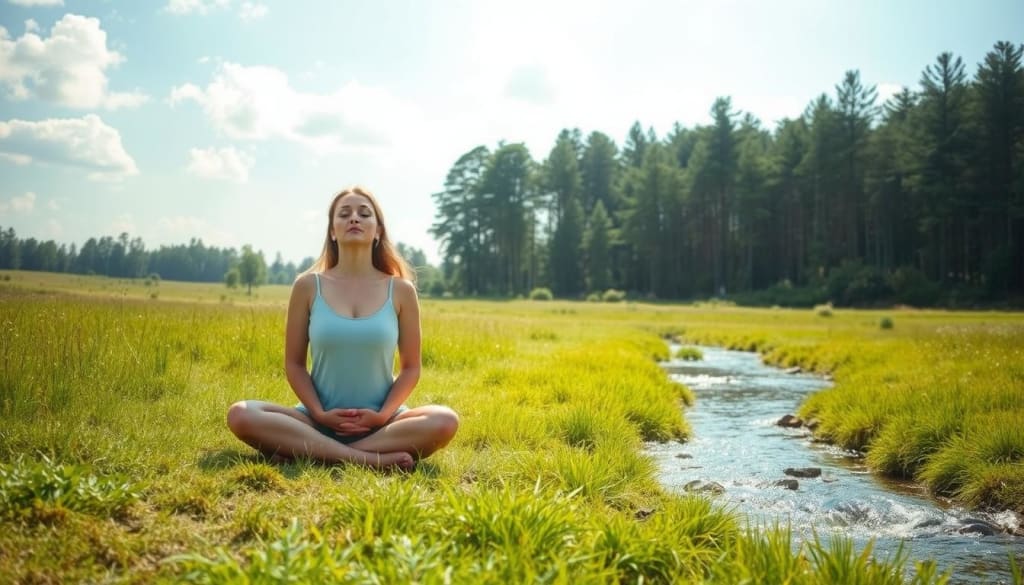
Are you feeling overwhelmed by daily life? Anxiety can be tough, but there are ways to relieve it.
You don't have to let anxiety control you. By learning to calm your mind and body, you can reduce anxiety and take back control.
There are simple yet powerful ways to manage anxiety. From mindfulness to lifestyle changes, we'll cover the best methods. This article aims to help you overcome anxiety and boost your well-being.
Key Takeaways
Understand the root causes of your anxiety
Learn effective techniques to calm your mind and body
Discover simple lifestyle changes to reduce anxiety
Explore mindfulness practices for anxiety relief
Develop a personalized plan to overcome anxiety
Understanding What Triggers Your Anxiety
Knowing what makes you anxious is key to managing stress and boosting your mental health. By figuring out what causes your anxiety, you can find ways to deal with it.
Identifying Common Anxiety Symptoms

Anxiety can make you feel restless, make it hard to focus, and disrupt your sleep. You might also notice physical signs like a fast heartbeat, sweating, or shaking. Spotting these signs is the first step to understanding your anxiety.
https://www.youtube.com/watch?v=VctnRh8qeoE
Recognizing Your Personal Anxiety Patterns
To spot your own anxiety patterns, pay attention to when your symptoms show up. Do they happen in certain situations, when you feel a certain way, or when you think about something specific? Knowing your unique patterns helps you find the right ways to handle your anxiety.
Starting to manage stress and improve your mental health begins with knowing what triggers your anxiety. By being more aware of your anxiety and its causes, you're on your way to a healthier, more balanced life.
Immediate Techniques to Reduce Anxiety Now
Managing anxiety starts with simple, immediate techniques. You can use them anywhere. These methods calm your mind and body, offering quick relief from anxiety.
The 4-7-8 Breathing Method
The 4-7-8 breathing technique, also known as the "Relaxation Breath," is a powerful tool for reducing anxiety. It involves breathing in through your nose, holding your breath, and exhaling through your mouth in a specific rhythm.
Step-by-Step Instructions
To practice the 4-7-8 breathing method, follow these steps:
Close your eyes and take a deep breath in through your nose for a count of 4.
Hold your breath for a count of 7.
Slowly exhale through your mouth for a count of 8.
When to Use This Technique
This technique is useful when you feel anxious or stressed. Practicing it regularly can also improve your sleep quality.
5-4-3-2-1 Grounding Exercise
The 5-4-3-2-1 grounding technique is another effective method for reducing anxiety. It involves focusing on your surroundings to ground yourself in the present moment.
To practice this exercise, follow these steps:
Notice 5 things you can see around you.
Acknowledge 4 things you can touch or feel.
Identify 3 things you can hear.
Recognize 2 things you can smell.
Take 1 deep breath, focusing on the sensation.
Body Tension Release Techniques
Releasing physical tension is crucial for managing anxiety. Two effective techniques for this are Progressive Muscle Relaxation and Quick Tension Audit.
Progressive Muscle Relaxation
Progressive Muscle Relaxation involves tensing and relaxing different muscle groups in your body. Start with your toes and work your way up to your head, holding each muscle group for a few seconds before releasing.
Quick Tension Audit
A Quick Tension Audit involves checking in with your body to identify areas of tension. Take a moment to notice where you feel tense, and then focus on relaxing those areas.

TechniqueDescriptionBenefits4-7-8 BreathingBreathing in for 4 counts, holding for 7, and exhaling for 8Reduces anxiety, improves sleep5-4-3-2-1 GroundingFocusing on 5 senses to ground in the presentDistracts from anxious thoughts, promotes mindfulnessProgressive Muscle RelaxationTensing and relaxing muscle groupsReleases physical tension, reduces anxiety
By incorporating these immediate techniques into your daily life, you can better manage anxiety and improve your overall well-being.
Mindfulness Practices for Lasting Anxiety Relief
Simple mindfulness practices can offer lasting relief from anxiety. These techniques help you stay in the present moment. They reduce worries about the past or future. By adding these practices to your daily life, you can build strong coping skills to handle anxiety.
5-Minute Meditation for Beginners
Short meditation sessions are very helpful. A 5-minute meditation involves focusing on your breath. You also observe your thoughts without judgment and gently return to your breathing. This easy practice can be done anywhere, making it perfect for beginners.
https://www.youtube.com/watch?v=30VMIEmA114
Mindful Walking Practice
Mindful walking means paying attention to your surroundings and the feeling of your feet on the ground. It's about being fully present in the moment. Notice the sights, sounds, and smells around you. This practice is great for those who struggle to sit still for meditation.
Incorporating Awareness into Daily Routines
Adding mindfulness to daily tasks like eating, showering, or doing dishes can turn them into mindfulness exercises. Focus on the sensations, textures, and smells. This makes these activities more enjoyable and helps you stay focused.
By using these mindfulness practices, you can better manage anxiety. Regular practice can bring lasting relief and improve your overall well-being.

Physical Activities That Combat Anxiety Effectively
Being physically active can really help with anxiety. It not only makes you healthier but also boosts your mood. This leads to anxiety relief and better emotional wellness.
How Movement Reduces Stress Hormones
Exercise lowers stress hormones like cortisol. It releases endorphins, or "feel-good" hormones, which lift your mood. This natural process helps manage stress and improves your overall well-being.
Anxiety-Busting Exercises Anyone Can Do
There are many exercises you can do daily to fight anxiety. Here are some:
Brisk walking
Jogging or running
Swimming
Cycling
Yoga
No-Equipment Options
You don't need special gear to exercise. Try bodyweight exercises like push-ups, squats, and lunges. They're easy to do anywhere.
Low-Impact Alternatives
For beginners or those who prefer gentle activities, try walking, tai chi, or gentle yoga. These are easy on your joints and calm your mind.
Exercise TypeImpact LevelBenefitsBrisk WalkingLowImproves cardiovascular health, reduces stressSwimmingLowFull-body workout, enhances moodRunningHighBoosts endorphins, improves mental clarity
Creating a Sustainable Activity Schedule
To get the most from exercise for anxiety, make a schedule you can follow. Begin with small goals and slowly increase your workouts. Staying consistent is crucial for making exercise a regular part of your stress management routine.
Daily

Habits to Manage and Reduce Anxiety Long-Term
Managing anxiety starts with simple habits. Adding a few key practices to your daily routine can help a lot. These habits not only manage anxiety but also make you healthier.
Sleep Optimization Strategies
Good sleep is key to managing anxiety. A regular sleep schedule and a bedtime routine can improve your sleep. Try to avoid caffeine and screens before bed.
Practices like progressive muscle relaxation or mindfulness meditation can also help calm your mind before sleep.
Anxiety-Reducing Foods and Eating Patterns
Your diet affects your anxiety. Eating foods rich in omega-3 fatty acids and magnesium can help. Foods like salmon and dark leafy greens are good choices. A balanced diet and avoiding too much sugar and caffeine can also help your mood.
Digital Detox and Screen Time Management
Too much screen time can make anxiety worse. Taking breaks from devices can help. Limiting social media and turning off notifications can also reduce stress.
"The way to get started is to quit talking and begin doing."
Walt Disney
Setting Healthy Boundaries
Setting boundaries is crucial for managing anxiety. Saying "no" to too much and focusing on self-care can help. Being clear about your needs to others also supports your emotional health.
Identify your limits
Communicate your needs clearly
Prioritize self-care
By adding these habits to your life, you can manage and reduce anxiety over time. Consistency is key. Making these habits a part of your routine can greatly improve your emotional wellness.
Building Your Emotional Wellness Support System
Strengthening your emotional wellness starts with building a strong support network. This involves several key strategies to better manage anxiety.
Creating Your Anxiety Response Plan
Creating an anxiety response plan is a proactive step. It should include coping mechanisms like deep breathing exercises and physical activity. Also, identify safe spaces or people to reach out to during an anxiety episode.
To create an effective plan, follow these steps:
Identify your anxiety triggers.
List your coping mechanisms.
Note down emergency contacts.
When and How to Seek Professional Help
Knowing when to seek professional help is key. If anxiety interferes with your daily life, it's time to get help. Therapists or counselors can offer tailored strategies and support.
Communicating Your Needs to Others

It's important to communicate your needs clearly to others. Be open about your anxiety and the support you need, whether it's emotional or practical help.
Clear communication can make your relationships stronger. It ensures you get the support you need. Here are some tips:
Be honest about your feelings.
Specify how others can help you.
Express gratitude for their support.
Conclusion: Your Journey Toward Anxiety-Free Living
You now have the tools to fight anxiety and boost your mental health. You've learned how to spot what makes you anxious and how to feel better right away. Adding mindfulness and exercise to your day can also help a lot.
Having people you can count on and healthy habits are key to keeping anxiety at bay. You can make a plan that fits your life, making it easier to face challenges. Taking care of your mind means living a happier, more balanced life.
Remember, beating anxiety takes time and effort. But with the right help and support, you can find lasting peace and better mental health.
About the Creator
Keep reading
More stories from Shoaib Afridi and writers in Psyche and other communities.
Memory, Trauma, and Healing:
Trauma leaves more than scars—it rewires the brain, reshapes our memories, and lingers in the body long after the moment has passed. Whether it’s a single catastrophic event or prolonged emotional abuse, trauma can alter how we store memories and experience the world. But the good news is: science now offers deeper insights into how healing can happen.
By Shoaib Afridi6 months ago in Psyche
Society Often Teaches Us to Suppress Our Sad Feelings, Branding Them as Negative.
Allow yourself the time to feel, process, and let go. What a journey we’ve traveled together. You can relate to that pain that appears out of nowhere and wants to linger in our minds. Once fear moves in, it takes root—spreading doubt, loneliness, and confusion It’s that kind of pain that overtakes your mental health, gradually making a home within you. Your thoughts can create a space filled with fear, a feeling that we often cling to because it’s the one our minds use against us—leading to a fierce battle between your thoughts and your feelings. It’s a struggle no one wants to lose, yet losing yourself feels like an ever-present threat. Isn’t that a trick life plays on us?
By Johana Torres12 days ago in Psyche



Comments
There are no comments for this story
Be the first to respond and start the conversation.