
Does Caffeine Make Anxiety Worse?
Why That Extra Cup Might Be Fueling Your Worries
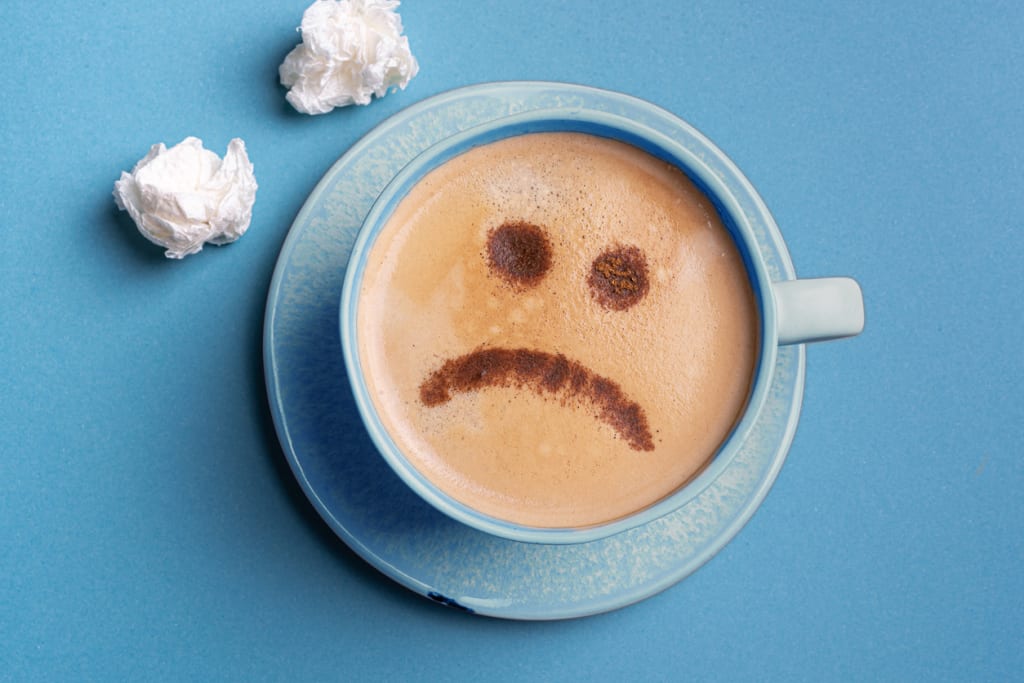
Caffeine is a natural stimulant that most people consume daily throughout the world. It can help you become more active, energized and not feel sleepy. It can be found in coffee, soft drinks, tea, chocolate, etc.
Now, you might have heard somewhere or wondered: Does caffeine affect those with anxiety? Well, yes, it does. But the effect is not the same for everyone. This blog will cover why caffeine can affect anxiety, how the body reacts to it, and what you can do if caffeine seems to increase your anxiety symptoms.
How Caffeine Affects People With Anxiety?
When you consume caffeine, it blocks a brain chemical called adenosine. Adenosine is typically responsible for inducing sleepiness. By blocking it, caffeine helps you stay awake.
At the same time, caffeine also increases adrenaline. Adrenaline is the hormone that prepares your body for a “fight or flight” response. This is why caffeine gives you energy but can also cause shakiness, a racing heart, or restlessness.
If you suffer from anxiety, these are a few ways in which caffeine can increase your symptoms:
- Faster Heartbeat: Anxiety makes your heart race faster. Caffeine intake can increase the rate even more. This can often lead to you feeling lightheaded.
- Jitters and Restlessness: Anxiety can make you shake physically. Caffeine increases that shaky feeling and can make your limbs more jittery than usual.
- Trouble Sleeping: One of the major things that anxiety affects is your sleep schedule. And since caffeine blocks adenosine, which helps you sleep better, it leads to more disturbance in sleep.
- Panic Attack Triggers: All these increased symptoms can be overwhelming and they can easily trigger a panic attack.
How Much Caffeine Is Too Much?
According to experts, 400mg of caffeine a day is harmless for a healthy adult. However, if you struggle with anxiety, even half of this amount can worsen the symptoms.
For your information, here is the caffeine content in the following drinks:
- 1 cup of brewed coffee = about 95 mg caffeine
- 1 cup of black tea = about 47 mg caffeine
- 1 can of cola = about 35 mg caffeine
- 1 energy drink = about 80–150 mg caffeine
Signs That Caffeine May Be Making Your Anxiety Worse
After caffeine intake, if you notice these red flags, then it is a sign that you should cut down your caffeine consumption.
- You feel jittery
- You feel lightheaded
- You feel your heart racing
- You have restless sleep
- You worry more than usual
- You experience panic attacks
Tips To Reduce Caffeine Intake
- Cut Down Intake Slowly - Sudden stoppage of caffeine consumption can cause withdrawal symptoms. Hence, it is advised to cut it down slowly. For example, if you are used to drinking 4-5 cups of coffee a day, try reducing it to 2-3 cups at first, and then slowly to 1 cup a day.
- Switch To Decaf - Decaffeinated coffee and tea have less caffeine content, but still retain the taste and flavor, making them a great choice if you suffer from anxiety and still love coffee or tea.
- Drink More Water - Staying hydrated can help you maintain your overall health. It can also help reduce headaches and restlessness that sometimes come with caffeine.
- Avoid Energy Drinks - Energy drinks are packed with a high quantity of caffeine as well as sugar. It can deteriorate your anxiety symptoms and cause more problems.
On an ending note, it can be concluded that, yes, caffeine makes anxiety worse. The connection between caffeine and anxiety is real, and being mindful of your intake can make a big difference in how you feel.
Suppose you are unsure about how much caffeine to consume or worried about increasing symptoms. In that case, it is advisable to seek help from a professional anxiety specialist for proper diagnosis and treatment.
About the Creator
Keep reading
More stories from Ankita Dey and writers in Psyche and other communities.
How Long Does Anxiety Last?
Anxiety is a natural response to stress or perceived threats. It is a very common phenomenon that the majority of people suffer from. A small amount of anxiety is normal, and almost everyone has felt anxious at least a few times in their lives.
By Ankita Dey6 months ago in Psyche
Tatt~Master
— Assembly Line Tatt Machine ~ Impressions to Impress — As I begin to understand more about the Tattoo Phenomenon. I've written silly, yet verbatim, dating site anecdotes in 'Frazzled.' So let me ask you: Would you be More attracted to someone slathered with tattoos, or Less?
By Jay Kantor3 days ago in Humor




Comments
There are no comments for this story
Be the first to respond and start the conversation.