

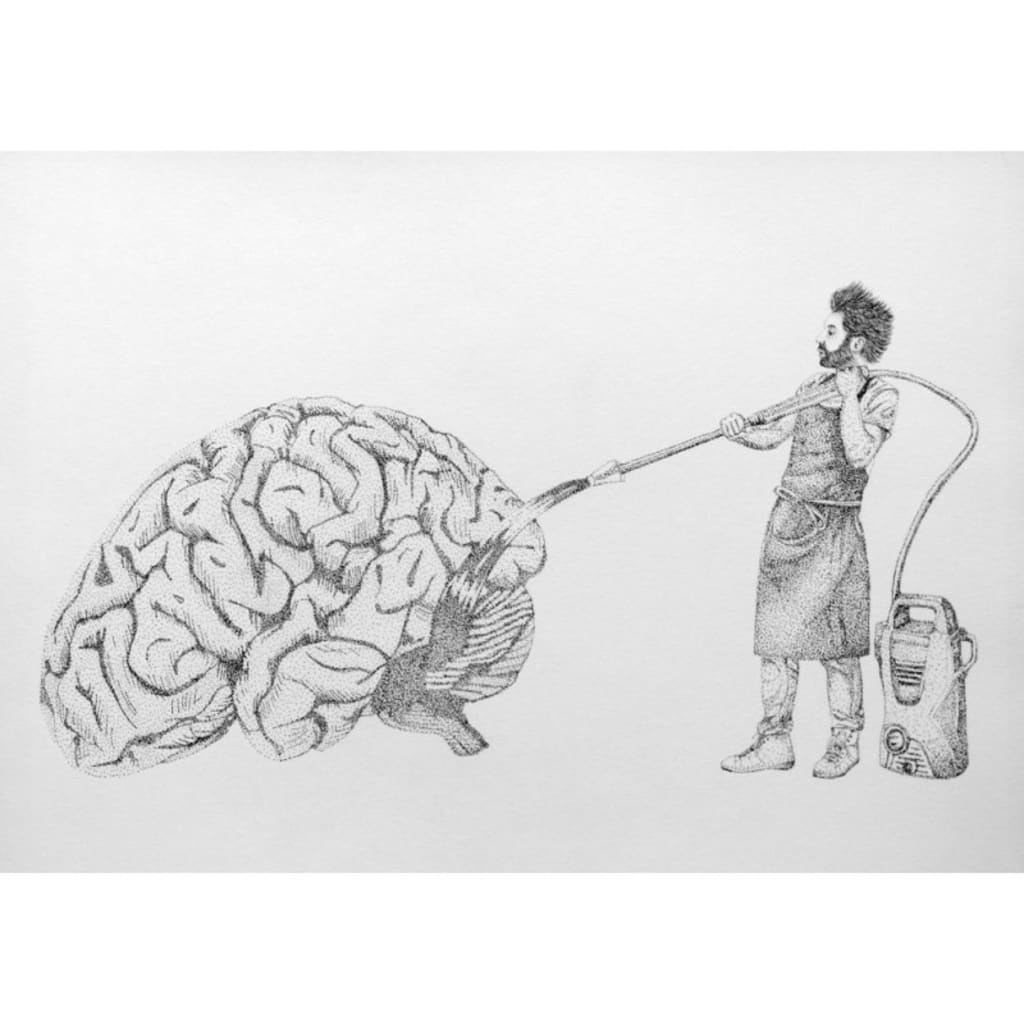
There’s a danger we rarely see coming. It doesn’t come with guns or violence. It doesn't wear a mask or break down your door. It quietly seeps into your mind, rewiring your thoughts until you can no longer tell which are truly yours. This is the silent, invisible weapon of brainwashing.
Brainwashing isn’t just a plot from thrillers or war movies. It happens every day in real life—through manipulation, propaganda, cults, abuse, media, and even seemingly harmless influencers. And the scariest part is that most people don’t even realize it’s happening until it’s too late.
Let me tell you the story of Sara.
Sara was a confident, bright university student majoring in journalism. She had dreams of becoming a writer who exposed the truth. But in her second year, she joined an online community that promoted "true independence from society." At first, it seemed empowering. The group encouraged self-thinking, rejecting the mainstream media, and questioning government agendas. But slowly, the tone began to shift.
The group leader, a charismatic man named Alex, began introducing bizarre conspiracy theories, convincing members that everything around them—from school to family—was a lie meant to control them. He would say things like, “If your parents really loved you, they wouldn’t want you to know the truth.” Sara, who was once close to her family, began distancing herself. She stopped attending classes, started repeating the group’s slogans, and believed the world was out to get her.
It took Sara’s mother months of effort, therapy, and patience to bring her back. She had been brainwashed—not by force, but by emotional manipulation and fear.
This isn’t an isolated case.
Real-life example 1: Cults and Isolation
The case of the Heaven’s Gate cult is one of the most infamous examples. In the 1990s, this group convinced 39 people to commit mass suicide, believing they were going to ascend to an alien spaceship. The leaders used constant repetition, isolation from outside influence, and strict rules to break down personal identity. Once a person’s independent thinking is dismantled, the mind becomes vulnerable and easy to reprogram.
Real-life example 2: Abuse and Control
Brainwashing can also happen in relationships. Many abusive partners use tactics like gaslighting—making the victim doubt their own memory or perception. A victim may start to believe, “Maybe I’m the problem,” or “Maybe I deserved that,” even when they’re being mistreated. Over time, the victim’s sense of self is destroyed, and their abuser becomes the only “truth” they trust.
Real-life example 3: Digital Influence
We see brainwashing at a mass scale on social media. Algorithms feed people the content they already believe, reinforcing biases and creating echo chambers. Slowly, people begin to adopt extreme views, not realizing they’ve been guided by a carefully controlled stream of content. Think about how young minds fall into online radical groups, conspiracy pages, or harmful beauty standards, altering their beliefs, body image, or even mental health.
So how does brainwashing work?
It often follows a pattern:
1. Isolation – separating the person from conflicting opinions.
2. Fear or reward – using threats or promises to influence behavior.
3. Repetition – constantly repeating beliefs or slogans until they become automatic.
4. Breaking identity – making the person feel worthless or wrong unless they conform.
5. Rebuilding – replacing old beliefs with new ones that favor the controller.
The result? A person who can no longer differentiate their own voice from the one planted inside them.
But there is hope.
Awareness is the first step. Knowing that this kind of manipulation exists can protect you and your loved ones.
Here’s how to guard your mind:
Question everything—even what you agree with. Don’t accept information just because it feels right. Look for evidence and multiple sources.
Value different opinions. Being exposed to different viewpoints helps your brain stay balanced.
Trust your gut. If someone or something makes you feel dependent, afraid to leave, or questions your identity, that’s a red flag.
Talk openly. If you’re concerned about someone falling under harmful influence, reach out with compassion, not judgment.
Take breaks from digital media. Not everything online is fact. Step back to reflect without constant input.
In the end, your mind is your most valuable asset. Once it’s taken, it’s difficult to reclaim—but not impossible.
Sara, after months of counseling and support, found her way back. Today, she writes articles on media literacy and manipulation, helping others recognize the signs she once missed. Her story is a reminder that healing is possible—but only when we face the truth.
Brainwashing doesn’t always come with chains. Sometimes, it comes with a smile, a promise, and a lie so carefully crafted that you believe it’s your own thought.
So protect your thoughts. They are yours—and no one else’s.
About the Creator
Mati Henry
Storyteller. Dream weaver. Truth seeker. I write to explore worlds both real and imagined—capturing emotion, sparking thought, and inspiring change. Follow me for stories that stay with you long after the last word.
Keep reading
More stories from Mati Henry and writers in Psyche and other communities.
Negative Mind
The Negative Mind: A Silent Enemy Within We often hear that our mind is powerful, that our thoughts shape our reality. And it’s true — the way we think impacts how we feel, how we act, and what we become. But what happens when that powerful mind turns against us? What happens when our own thoughts become our worst enemies?
By Mati Henry 10 months ago in Psyche



Comments
There are no comments for this story
Be the first to respond and start the conversation.