
Beyond the Buzzword
Why Your Mental Health Deserves the Spotlight”

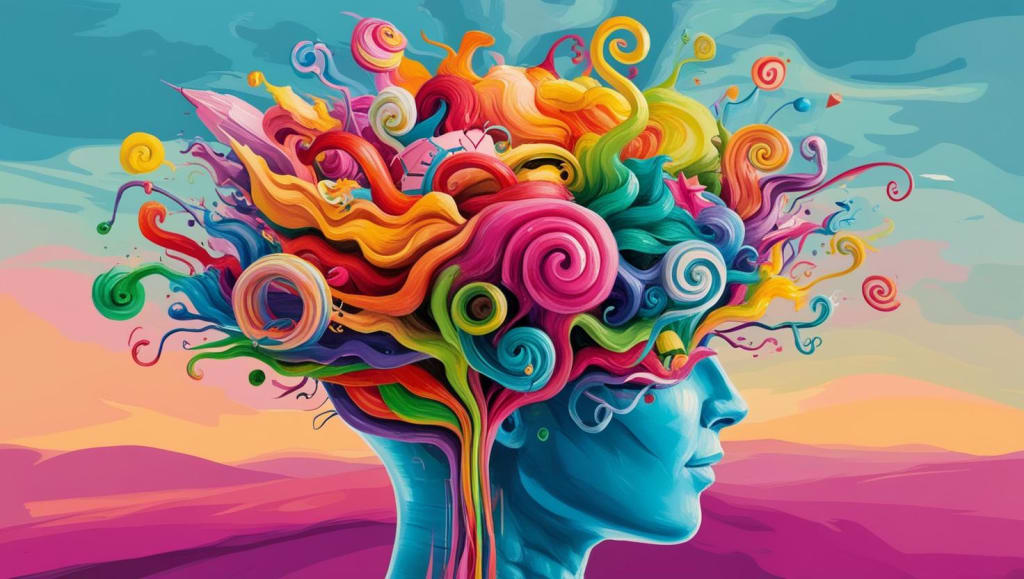
Beyond the Buzzword
What Is Mental Health and Why It Matters
Mental health is a term we often hear, but many people still struggle to define what it truly means. Often mistaken for simply being free from mental illness, mental health is much broader and more complex. It's about how we think, feel, and behave — and how we cope with life, relationships, stress, and change.
As conversations about emotional wellbeing become more mainstream, it’s essential to understand what mental health really is, why it matters, and how we can support it—both in ourselves and in those around us.
Defining Mental Health
According to the World Health Organization (WHO), mental health is a state of wellbeing in which an individual realizes their own abilities, can cope with the normal stresses of life, can work productively, and is able to contribute to their community. In simpler terms, mental health is how we handle life.
Good mental health doesn’t mean feeling happy all the time. Instead, it means being able to manage a range of emotions — sadness, anger, joy, fear — and navigate life's challenges without becoming overwhelmed. It includes emotional resilience, psychological stability, and social functionality.
Why Mental Health Matters
Mental health affects **every part of our lives** — our thoughts, behaviors, physical health, relationships, and overall quality of life. Here's why it deserves serious attention:
1. It Impacts Physical Health
Mental and physical health are closely linked. Stress, anxiety, and depression can lead to or worsen physical conditions like heart disease, high blood pressure, chronic pain, and digestive disorders. For example, long-term stress can weaken the immune system, making the body more vulnerable to illness.
On the flip side, physical health problems can take a toll on mental wellbeing. Living with chronic pain or illness often leads to feelings of frustration, isolation, and depression.
2. It Influences Daily Functioning
When mental health is compromised, even routine tasks can feel overwhelming. Poor concentration, low energy, disrupted sleep, and emotional instability can affect your performance at work or school and interfere with responsibilities at home. Everyday decision-making becomes harder, and motivation declines.
3. It Shapes Relationships
Our mental state affects how we communicate, relate to others, and handle conflicts. When we’re mentally well, we’re better able to set boundaries, express ourselves clearly, and respond to others with empathy. Poor mental health, on the other hand, can lead to social withdrawal, misunderstandings, irritability, or dependency.
4. It Is Vital for Personal Growth
Mental wellbeing fuels creativity, learning, and purpose. It gives us the emotional flexibility to try new things, bounce back from failure, and grow from life’s experiences. It allows us to discover who we are, what we value, and how we want to contribute to the world.
The Growing Mental Health Crisis
Despite its importance, mental health is often overlooked or misunderstood. Globally, over 1 in 8 people live with a mental disorder. Depression is now one of the leading causes of disability worldwide. Yet stigma, lack of education, and limited access to care often prevent people from seeking help.
In recent years, especially following the COVID-19 pandemic, mental health issues have surged. Social isolation, job loss, grief, and uncertainty have left many people struggling emotionally. Even young people are reporting record levels of anxiety, depression, and stress.
Breaking the Stigma
One major barrier to better mental health outcomes is **stigma**. Many people still feel ashamed to talk about their struggles, fearing they’ll be judged as weak, unstable, or dangerous. This silence keeps people from seeking help or receiving support.
But mental health challenges are not a personal failure. They are human experiences, often shaped by biological, psychological, and environmental factors. Talking openly, using nonjudgmental language, and normalizing emotional vulnerability are key steps in reducing stigma.
How to Support Your Mental Health
Just as we care for our physical health through diet, exercise, and sleep, we need daily habits that support emotional wellbeing. Here are some practical ways to protect and strengthen your mental health:
1. Practice Self-Awareness
Pay attention to how you’re feeling — emotionally, mentally, and physically. Journaling or simply checking in with yourself daily can help you recognize stress early and make mindful choices.
2. Build a Support System
Strong relationships are one of the biggest protective factors for mental health. Cultivate connections with friends, family, or support groups where you can share honestly and receive encouragement.
3. Create Healthy Boundaries
Knowing when to say no, unplug, or step back from toxic situations can protect your peace of mind and help prevent burnout.
4. Move Your Body
Physical activity, even in small amounts, can boost mood, reduce anxiety, and improve sleep. Movement releases endorphins — the body's natural feel-good chemicals.
5. Talk to Someone
If you're struggling, speak to a mental health professional. Therapy is not just for crises; it’s a proactive way to explore thoughts, heal wounds, and develop healthier patterns.
Mental Health Is Everyone’s Responsibility
Supporting mental health isn't just a personal task — it’s a community effort. Workplaces, schools, and governments need to create environments where emotional wellbeing is prioritized. This includes providing mental health education, resources, and access to affordable care.
As individuals, we can contribute by being kind, listening without judgment, and educating ourselves about mental health issues. Simply asking someone, “How are you really doing?” can make a profound difference.
Mental health is not a luxury — it’s a necessity. It influences how we think, act, relate, and exist in the world. Whether you're thriving, struggling, or somewhere in between, taking care of your mental health should be a daily commitment. The more we understand it and talk about it, the more we create a world where emotional wellbeing is just as important — and just as normal — as physical health.
About the Creator
Gabriela Tone
I’ve always had a strong interest in psychology. I’m fascinated by how the mind works, why we feel the way we do, and how our past shapes us. I enjoy reading about human behavior, emotional health, and personal growth.
Keep reading
More stories from Gabriela Tone and writers in Psyche and other communities.
The Rhythm of Little Stars
The Rhythm of Little Stars A Journey to Finding the Perfect Baby Schedule When Emma first brought baby Oliver home from the hospital, she thought she was ready. She had read the books, joined the forums, listened to every piece of advice from mothers, grandmothers, neighbors, and strangers in grocery store lines. "Sleep when the baby sleeps," they said. "Feed on demand." "Let them cry it out." "Never let them cry it out."
By Gabriela ToneExclusive • 11 months ago
TV Quiz Show Brain-Rot
I might expand on this soon, but I need you to understand this... *** We've often seen that social media's infinite scrolling and slot-machine style refreshers are based upon the methods implemented by casinos in order to keep us playing the game (or in their case, using the application). But what we do not discuss often enough is how these same casino-like situations are implemented by television in order to keep us paying attention to the screen.
By Annie Kapur3 days ago in Psyche
📢 Raise Your Voice Thread: 03/05/2026
Our “Raise Your Voice Threads” are hosted most alternating Thursdays at 12PM ET to offer creators more avenues to uncover exceptional stories on Vocal. As we are continuously searching for fresh creators and inspiring stories, this thread provides an opportunity to exchange and discuss the stories that have moved and motivated us on Vocal.
By Raise Your Voice by Vocal4 days ago in Resources


Comments (2)
This was such an engaging read! I really appreciated the way you presented your thoughts—clear, honest, and thought-provoking. Looking forward to reading more of your work!
Very informative about PTSD and well written, good luck