
Behind the Smile: My Battle with Seasonal Depression
How I Learned to Face the Darkness of SAD and Find My Own Light

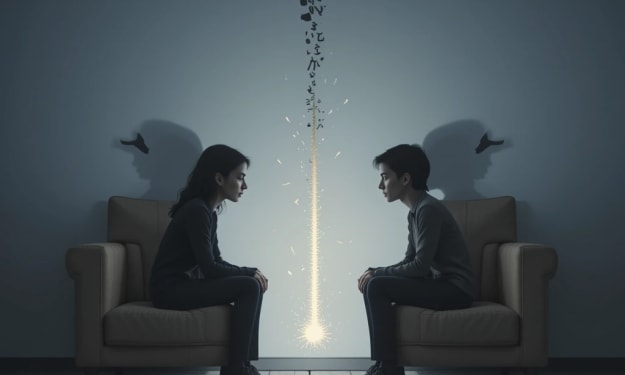
The arrival of autumn often brings cozy sweaters, pumpkin lattes, and golden sunsets for many people. But for me, it also brings something darker—a shadow I’ve learned to recognize all too well. Seasonal Affective Disorder, or SAD, is more than just “winter blues.” It’s a recurring battle that strips away my joy and leaves me questioning why even the simplest things feel unbearably heavy.
For years, I hid behind a smile, pretending everything was fine. To family, to friends, even to myself, I wore the mask of humor and positivity. But inside, a storm raged that few could see. This is my story of learning to live with SAD, not as a victim, but as a fighter who finally found ways to reclaim the light.
It always begins subtly, almost like a familiar stranger knocking at my door. In September, I notice the changes: mornings feel colder, evenings arrive too soon, and my energy starts to slip away. Smiles that once came naturally feel forced. Laughter feels hollow. My thoughts turn darker, my patience thinner. By October, the shift becomes undeniable—I’m not myself anymore.
Humor became my shield. I cracked jokes about being miserable, made light of my fatigue, and dismissed my sadness with sarcastic remarks. On the outside, I was “Mr. Happy Pants,” always ready with a silly comment or exaggerated story. But on the inside, I was drowning. The mask hid the reality that I couldn’t explain to others—that even getting out of bed felt like a war some mornings.
The turning point came when I realized this wasn’t random sadness—it was predictable. Every year around the same time, the shadow returned. It wasn’t a coincidence. With some research and help from my wife, I discovered the truth: Seasonal Affective Disorder. Suddenly, my pain had a name, and that meant it also had potential solutions.
My first weapon against SAD was a lightbox, a device designed to mimic natural sunlight. At first, I laughed at the idea. How could a lamp fix my sadness? But after just a couple of weeks, I noticed a difference. My mornings felt lighter, my tears less frequent, my smile more genuine. While it wasn’t a cure-all, it became an important part of my daily routine.
Over time, I built a toolkit to survive the season of sadness. Daily walks outside became essential, even when the skies were gray. Regular exercise helped—not for fitness, but for the mental boost that movement brings. I started talking openly with loved ones instead of bottling everything inside, and my wife became my anchor. Journaling also helped me untangle the storm in my head, and therapy reminded me that asking for support is not weakness but courage.
SAD hasn’t disappeared from my life—it still shows up every autumn like clockwork. The difference now is that I’m ready. I know what’s coming, I understand my triggers, and I refuse to let it take full control of my life. Behind my smile, there’s still a battle, but it’s one I fight with knowledge, tools, and the support of those I love.
If you’re reading this and see yourself in my story, please know you’re not alone. SAD is real, and so is the pain it brings. But there are ways to fight back. Whether it’s light therapy, lifestyle changes, or professional support, you don’t have to surrender to the season of sadness. Remember this: even in the darkest winter, the light will return. Sometimes, we just have to help it find its way back into our lives.
About the Creator
Keep reading
More stories from Saqib Ullah and writers in Psyche and other communities.
Top tipple tricks
Been thinking a lot about drinking, lately. Not least because of a recent episode of over-indulgence and the inevitable after effects. Some readers may recall the earlier articles I wrote about beating the booze. Here I set out an experiment in techniques for cutting down on my alcohol intake. The experiment was successful, the techniques worked, and I have armed myself with an arsenal of weapons in the war against the demon drink. I have yet to fire the first round however. It's all a question of timing (perhaps procrastination).
By Raymond G. Taylor4 days ago in Psyche
Lycan Lore
As the students of my 10am mythology class take their seats, I decide to steer the day's curriculum away from Greek and dive into a Western European discourse on the misaligned beliefs of the Werewolf. A tale of truth or fiction. No one really knows.
By Lamar Wigginsabout 12 hours ago in Fiction



Comments (1)
saqib ullah now we will support each other with loyalty and consistency.